

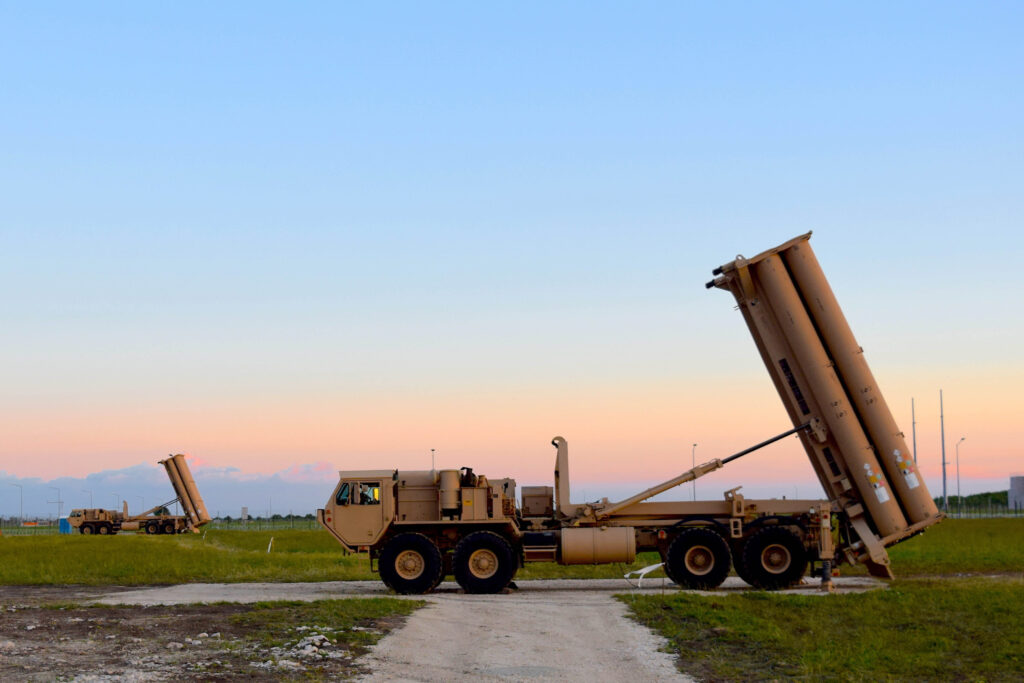
A new U.S. Army report reveals that the recent 12-day war between Iran and Israel has severely strained American missile defenses, raising alarms about readiness in the event of a war with China by 2027.
During the brief Iran-Israel war, the United States fired 150 THAAD interceptors — roughly 25% of its total stockpile — and 80 SM-3 missiles in defense of Israel. The rapid drawdown has raised concerns about production shortfalls at key defense contractors Raytheon and Lockheed Martin.
In addition, questions persist over the effectiveness of the ship-launched SM-3 system, adding another layer of scrutiny to the U.S. missile defense strategy.
As The War Zone reports:
The Wall Street Journal first reported on the U.S. military expenditures of THAAD and SM-3 interceptors, citing unnamed U.S. officials. American forces also employed ground-based Patriot surface-to-air missile systems and ship-launched SM-2 and SM-6 missiles during the Israel-Iran war in June. Israel’s own extensive air and missile defense capabilities were also heavily engaged during that conflict.
“Operating alongside Israeli systems, THAAD operators burned through munitions at a furious clip, firing more than 150 missiles to shoot down the waves of Iranian ballistic missiles, according to U.S. officials,” per the Journal‘s story. “That is nearly a quarter of the interceptors ever purchased by the Pentagon.”
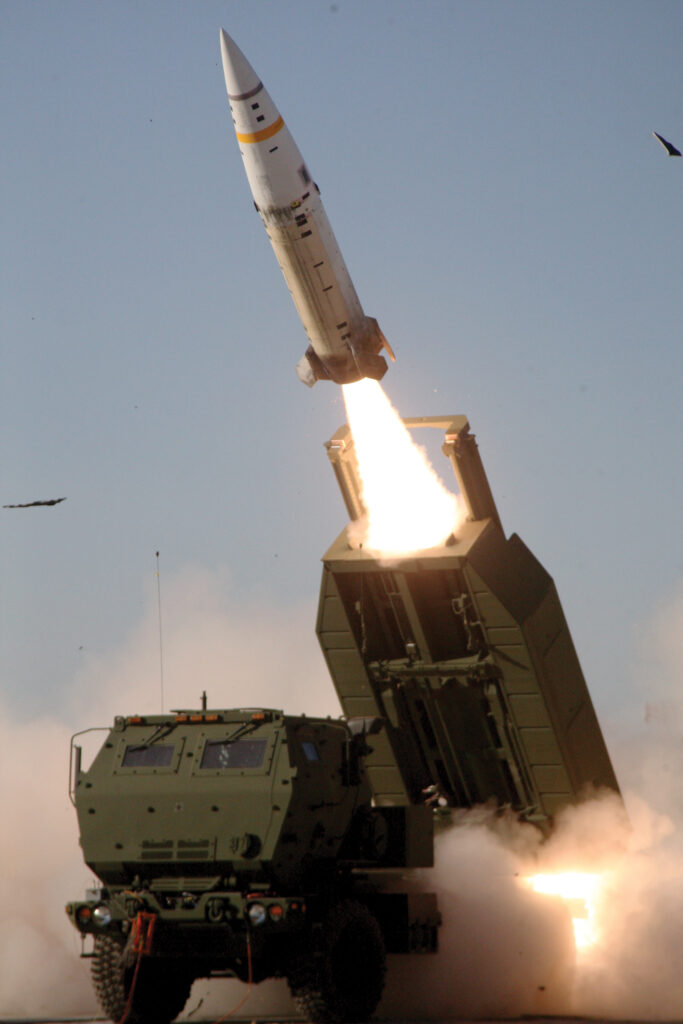
The U.S. military’s 2026 Fiscal Year budget request, which was rolled out in June, says the Missile Defense Agency (MDA) has received funding for 646 THAAD interceptors to date, though it has not taken delivery of all of those missiles. That total also doesn’t include U.S.-facilitated orders for foreign customers. Some number of U.S. interceptors have been expended during test and training activities over the years, as well. MDA is asking for funds to buy 25 more, at a cost of around $15.5 million each, in the next fiscal cycle. The agency’s proposed budget also notes it expects to receive 12 more THAAD interceptors paid for with money included in a reconciliation funding bill, also known as the One Big Beautiful Bill Act, signed into law earlier this month.
MDA manages the THAAD program, though the actual units that are equipped with the system are operated by the Army. When the conflict between Israel and Iran first erupted, the Army had seven operational THAAD batteries, two of which were reportedly forward-deployed in Israel. During the fighting, manufacturer Lockheed Martin announced it had delivered “the Minimum Engagement Package” for a long-planned eighth battery. A typical THAAD battery consists of between six and nine road-mobile launchers, each of which can be loaded with up to either interceptors at a time, as well as an AN/TPY-2 radar and other supporting assets.
The Army report further warns that current manufacturing rates cannot keep pace with modern, high-volume threats. Without faster replenishment, the U.S. could face serious gaps in its layered missile defense architecture.
Historical procurement data from the Missile Defense Agency backs up those concerns. The U.S. is producing just 55 SM-3 Block IB and 12 Block IIA interceptors annually through 2030 — nowhere near the levels required to replace what was lost in the Iran conflict.
Iran reportedly launched over 400 ballistic missiles and 1,000 drones during the war, overwhelming regional defenses and forcing the U.S. to tap into its high-end systems at an unsustainable rate.
Meanwhile, open-source intelligence accounts on X have highlighted the slow, incremental evolution of the Aegis Ballistic Missile Defense program. Upgrades such as the Lightweight Exo-Atmospheric Kill Vehicle have improved SM-3 capabilities, but lingering concerns remain.
A 2017 test failure involving the USS John Paul Jones, attributed to human error, still casts a shadow over confidence in the system. While the U.S. missile shield remains advanced, its reliability and scalability are facing new scrutiny.
Last month’s 12-day war should serve as a wake-up call: production bottlenecks and limited reserves could undermine U.S. deterrence in the Indo-Pacific, where the stakes — and the adversary — are far graver.
READ NEXT: Caught Red-Handed: CNN’s Shocking Misstep On Mass Shooter Exposed [WATCH]



















Can we produce More
It seems to me that, since we put so much into this to not get a final victory, it would have been beholden for us to let Israel finish the job and drive the Irani government into oblivion. Otherwise, we have little to show for our investment. Apparently, there is still business as usual in Irani dealings. The worst thing to do is to leave things open-ended.