



In a landmark decision, the U.S. Court of Appeals for the Ninth Circuit has sided with a Christian mother of five who was barred from Oregon’s state adoption program for refusing to affirm LGBTQ+ identities in ways that would violate her faith.
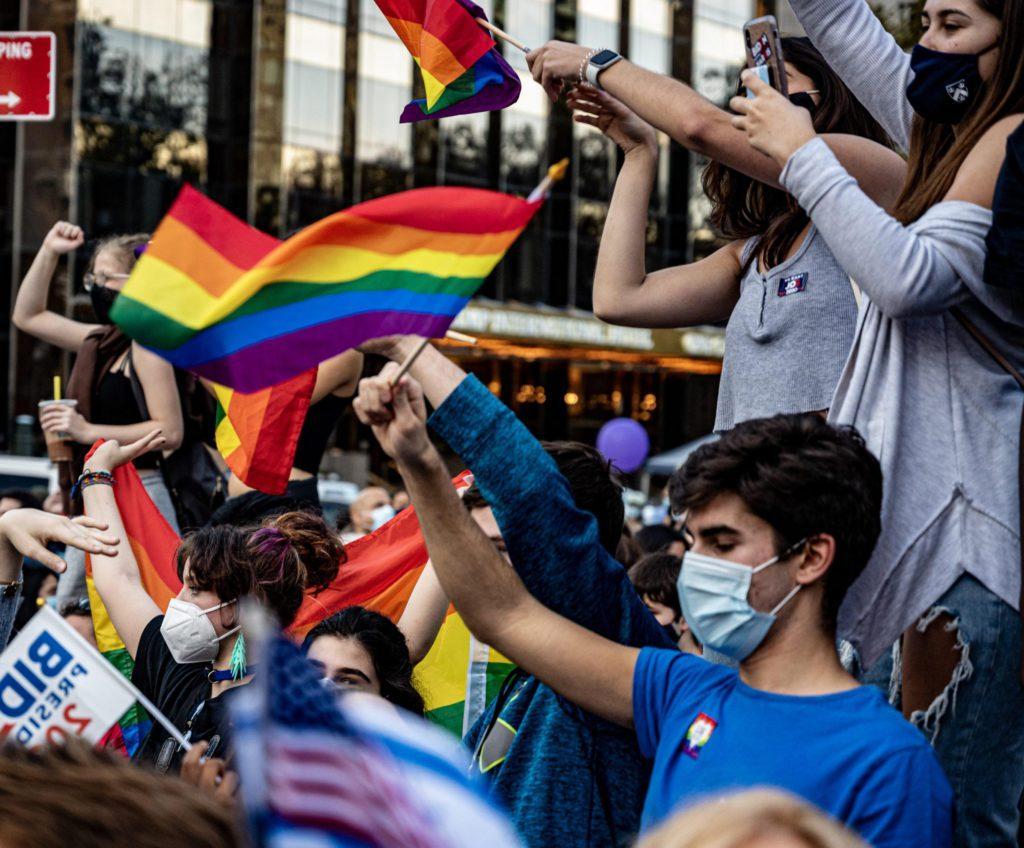
Jessica Bates, a widowed mother seeking to adopt two siblings from foster care, was excluded from the Oregon Department of Human Services (ODHS) adoption process in 2023 after she declined to agree to certain policies regarding sexual orientation and gender identity. These policies included a requirement to affirm a child’s “preferred pronouns,” support potential gender transitions, and participate in LGBTQ+ events such as Pride parades.
ODHS’s categorical rejection of Bates’ application triggered a legal battle over religious freedom and compelled speech. Though a lower court initially denied her request for relief, the Ninth Circuit reversed that decision, granting a preliminary injunction and allowing Bates to move forward with the adoption process while her case proceeds.
Judges: State Cannot Enforce ‘Orthodoxies’ on Speech and Religion
Writing for the 2–1 majority, Judge Daniel Bress emphasized that the case “lies at the crossroads of competing visions of family and faith.” Joined by Clinton-appointee Michael Daly Hawkins, Bress concluded that Oregon’s policy, as applied to Bates, “violates the First Amendment.”
“We deal here with two vital … rights: the First Amendment’s protections for free speech and the free exercise of religion,” Bress wrote. “The government may not insist upon our adherence to state-favored orthodoxies, whether of a religious or political variety.”
According to the court’s opinion, Oregon’s rules compelled adoptive parents to express views that may contradict their deeply held beliefs, essentially requiring them to participate in a state-approved worldview.
Judge Bress noted that ODHS materials encouraged foster and adoptive parents to hang LGBTQ+ flags, discuss gender identity affirmatively, and even leave churches that were not “affirming” of LGBTQ+ issues. “Speech infringement is a central and assertedly imperative feature of this policy,” Bress wrote, concluding that such government-mandated speech does not survive constitutional scrutiny.
A Win for Religious Liberty Advocates
Alliance Defending Freedom (ADF), the legal group representing Bates, hailed the decision as a major win for religious freedom.
“This is one of the first federal appellate rulings of its kind,” said ADF legal counsel Mallory Sleight on Washington Watch. “It sends a strong message to Oregon and other states that you cannot exclude people from adoption programs simply because they hold traditional Christian beliefs.”
Sleight noted that Bates’ case is far from isolated. “We’re getting calls every single day from families across the country who are being told they can’t foster or adopt unless they affirm gender ideology,” she said. “This ruling says enough is enough.”
Background: Bates’ Stand for Faith
Jessica Bates made headlines in 2023 when she applied to adopt siblings from Oregon’s foster care system and was disqualified after explaining she could not in good conscience promote gender identity ideology that conflict with her Christian faith.
Though Bates assured officials she would love and care for any child, regardless of background, she said she could not take children to Pride events or gender-transition appointments, or use pronouns that contradicted biological sex. ODHS rejected her application entirely—barring her from adopting any child, regardless of whether the child identified as LGBTQ+.
With ADF’s support, Bates sued the state, arguing the rejection was unconstitutional. While the district court refused to grant her an injunction, the Ninth Circuit’s decision now allows her to continue the adoption process as the case proceeds.
Dissent: Concerns About LGBTQ+ Youth
Judge Richard Clifton, dissenting, argued that the state has a compelling interest in ensuring that adoptive parents can support LGBTQ+ youth. He expressed concern that children placed in homes where their identity might not be affirmed could experience emotional harm.
But the majority emphasized that the state cannot enforce a “litmus test” that excludes people of faith from public service, especially when no child involved in the case currently identifies as LGBTQ+.
Broader Implications
The ruling could have ripple effects nationwide. Several states have implemented similar LGBTQ+ affirming policies in adoption and foster care, many of which are now being challenged in court. Thursday’s decision may embolden other courts to scrutinize these policies more carefully.
“This is not about denying care or love,” Sleight said. “It’s about whether the government can force citizens to say things they don’t believe and punish them if they don’t.”
Her case is widely viewed as a bellwether for future religious freedom litigation in the adoption and foster care systems.
READ NEXT: State Dept. Funding Pro-Communism Play To Teach Eastern Europeans About LGBT Rights