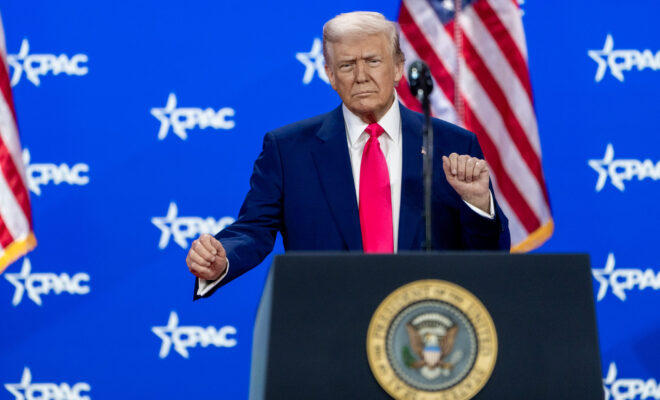









The FBI reportedly redacted President Donald Trump’s name from internal Jeffrey Epstein case documents during a recent review. The Department of Justice has defended the redactions, claiming they are consistent with federal privacy guidelines.
According to Bloomberg’s Jason Leopold, Trump’s name was redacted with other “prominent public figures.” Leopold’s report cited multiple people familiar with the matter.
Per Mediaite:
As Leopold noted in the report, Trump was a private citizen during the investigation into Epstein and therefore is entitled to privacy on the matter. Much has been written about Trump’s former friendship with Epstein, though his name appearing in the files does not necessarily point to him being guilty of any crimes or wrongdoing.
Epstein died of an apparent suicide in 2019 while being charged with sex trafficking. He was already a convicted child predator at the time.
The DOJ/FBI memo has led to backlash among Trump’s base, with major MAGA figures like Tucker Carlson and Megyn Kelly calling for the release of more documents.
Trump has ordered that more be released to the public, but he’s also called theories about a client list of abusers associated with Epstein a “hoax.”
DOJ defended the move, asserting that it complied with Freedom of Information Act (FOIA) guidelines to protect privacy and avoid disclosing active investigative materials. Officials stressed that such redactions are standard practice and not confirmation of wrongdoing.
In May, Attorney General Pam Bondi reportedly informed Trump that his name appeared multiple times in the so-called “Epstein files” during a classified DOJ briefing. These files included flight logs and other contact documents.
While the files list numerous prominent individuals — such as former President Bill Clinton and Prince Andrew — not all were implicated in any misconduct. The DOJ later stated there was no “client list” or evidence of extortion documented in the files.
Redacting names is standard under FOIA exemptions for privacy and ongoing investigations.
However, applying those redactions to a president — and other high-profile figures — is likely to intensify pressure for broader disclosure policies, especially as public dissatisfaction lingers over the lack of transparency surrounding Jeffrey Epstein’s life and death. (RELATED: [WATCH] New Report Blows Hole In Epstein Jail Video Story)
In a rare break with the president, many Trump supporters have sharply criticized top DOJ officials — including Attorney General Pam Bondi and FBI leadership — for refusing to release unredacted materials.
Some have gone further, alleging political obstruction aimed at protecting powerful individuals tied to the Epstein case.
Despite DOJ assurances that no client list or extortion files exist, skepticism persists. Critics warn that undisclosed sections of the Epstein files may still contain powerful or damaging material. Calls for depositions from Ghislaine Maxwell and other witnesses continue to mount.
In a case as globally notorious — and riddled with unanswered questions — millions continue to demand full transparency.
READ NEXT: Smoking Gun Evidence Saved By Unknown Hero Implicates Hillary, Obama, And More