


The U.S. military is reportedly considering a bold new recruitment campaign centered around the legacy of conservative activist Charlie Kirk.
The proposal, led by Undersecretary of Defense for Personnel and Readiness Anthony Tata, would frame Kirk’s death as a patriotic rallying cry — potentially using a slogan like:
“Charlie has awakened a generation of warriors.”

The campaign would tap into Turning Point USA chapters and college campuses across the country as recruitment hubs, capitalizing on the grassroots energy Kirk helped build.
It’s not a done deal. Some inside the Pentagon are pushing back, worried that aligning the military with Kirk’s name could be seen as politicizing the force.
But others see it differently — arguing that honoring a man who spent his life encouraging young Americans to love their country is exactly what this generation needs.
NBC News continues:
The potential push comes as the Pentagon’s Military Service Recruitment Task Force, which Tata co-chairs, is warning of a possible drop in future recruits, according to two defense officials.
Trump and Hegseth have touted an uptick in recruiting since Trump’s inauguration, though it actually began under President Joe Biden after two years of shortfalls in 2022 and 2023. But that trend could be short-lived, in part because of societal and generational changes that are shrinking the overall number of Americans eligible to serve, and which show no signs of slowing. Kirk had a large following among young conservatives and Trump supporters, many of whom would be around the age a military recruitment campaign would typically target.
In June, the Pentagon established a recruitment task force to address military recruiting challenges, develop a forward-looking recruiting strategy and find ways to maintain momentum on recent recruiting increases. So far, none of its reports have been publicly released.
In a July news briefing, Parnell addressed the task force’s work, noting that the Pentagon believes 7% to 11% of Americans see military service as a viable path forward, down from 27% after 9/11. He praised recent recruiting wins but added that the great numbers “might not always be the case.”
He continued, “And so one of the things that we’re trying to achieve with this recruiting task force is answering the tough question about how do we set the conditions here culturally in this country to have more kids want to serve the country and see it as a viable career path.”
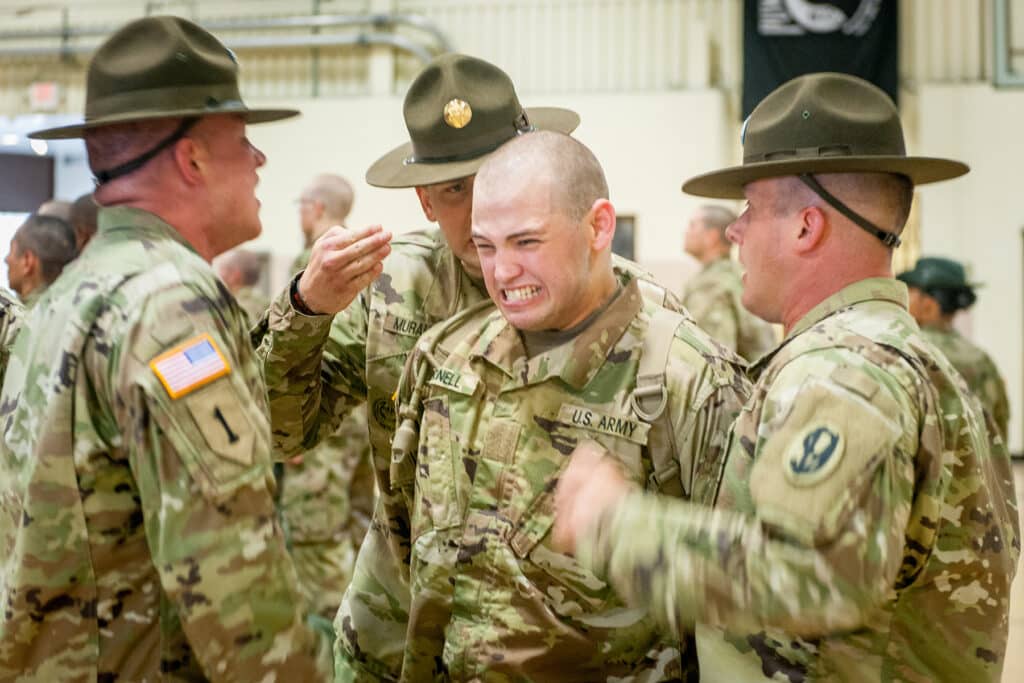
The U.S. birth rate’s steep decline after the 2007–2008 Great Recession has persisted for more than a decade, creating long-term demographic pressures on military recruiting.
Those challenges are compounded by the shrinking number of “military legacy families.” In 1995, about 40% of young adults had a parent who served. By 2016, that share had dropped to just 15%.
Officials have briefed Hegseth on these troubling trends, warning that the shrinking youth population — alongside persistent fitness and eligibility concerns, as well as shifting cultural attitudes toward service — poses a serious threat to the future of military readiness.
READ NEXT: Dems Unveil Stunning Move Against Charlie Kirk’s Legacy