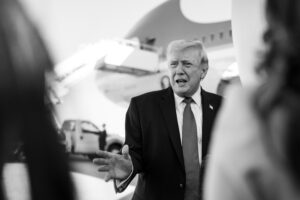
President Donald Trump signed a new presidential proclamation restoring Columbus Day as a national holiday in full force, declaring October 13 as a day to celebrate the legacy of explorer Christopher Columbus — and making it clear he intends to roll back efforts to replace the holiday with Indigenous Peoples’ Day.
“Columbus Day — we’re back, Italians,” Trump said with a grin, drawing applause from his Cabinet during a televised meeting at the White House. “We love the Italians.”
A Defiant Reclaiming of a Controversial Holiday
The new proclamation revives traditional federal observance of Columbus Day, which has been increasingly replaced or co-recognized as Indigenous Peoples’ Day in various American states and cities. The change follows a broader political and cultural push in recent years to reassess the historical impact of Columbus and the European colonization of the Americas.
Trump’s proclamation, however, leaves no room for ambiguity. It refers to Columbus as a “true American hero” whose “relentless determination” shaped the course of world history and made the American story possible.
Columbus Day and Italian-American Heritage
White House Staff Secretary Will Scharf introduced the proclamation by underscoring its importance to Italian-Americans, who have long viewed Columbus as a symbol of their cultural contribution to the United States.
“It’s a particularly important holiday for Italian Americans who celebrate the legacy of Christopher Columbus, and the innovation and explorer zeal that he represented,” Scharf said.
President Trump echoed the sentiment in his remarks, summarizing it simply: “In other words, we’re calling it Columbus Day.”
A Cultural Flashpoint
Critics argue that honoring him ignores the violence, enslavement, and displacement of Natives that followed European colonization.
Supporters, including many in the Italian-American community, say Columbus’s voyages represent courage, exploration, and the pursuit of a better world, and that efforts to erase his legacy are politically motivated and historically reductive.
Trump’s proclamation directly names Columbus’s detractors: “Outrageously, in recent years, Christopher Columbus has been a prime target of a vicious and merciless campaign to erase our history, slander our heroes, and attack our heritage,” the proclamation states. “Under my leadership, those days are finally over.”
A Sharp Contrast with Biden-Era Policies
The announcement is a reversal from Joe Biden’s position, who became the first American president to issue a proclamation formally recognizing Indigenous Peoples’ Day. Biden’s proclamations continued each year of his presidency, fueling broader efforts to reframe October’s federal holiday as a time to reflect on Native American history.
Trump’s decision underscores his broader campaign to defend traditional American symbols, holidays, and monuments, which he has described as being under attack by radical left-wing ideologues.
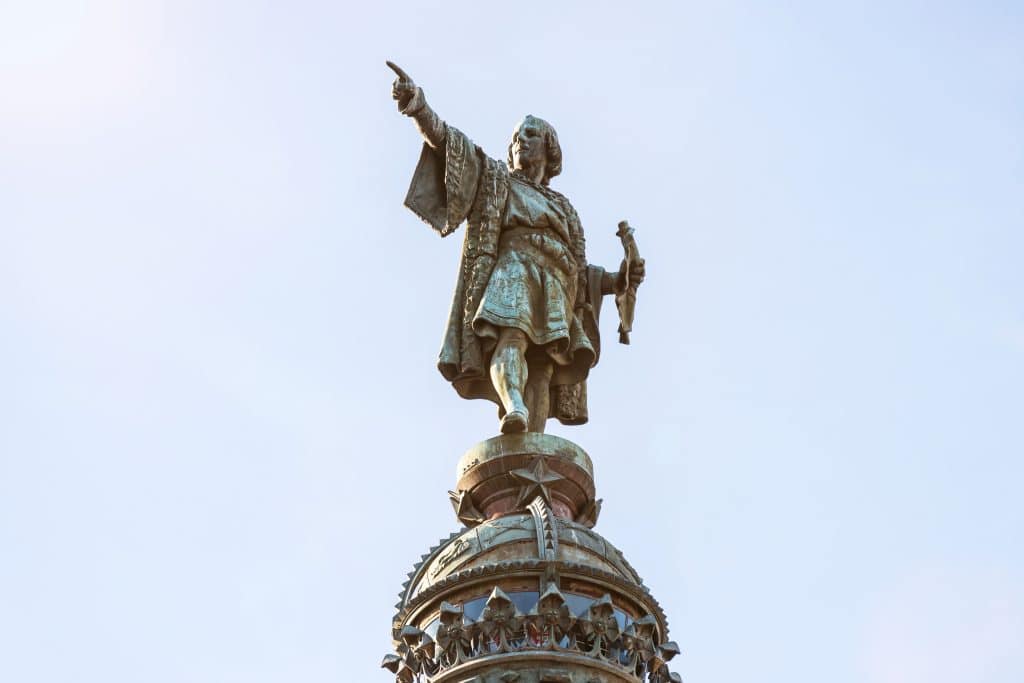
“Before our very eyes, left-wing radicals toppled his statues, vandalized his monuments, tarnished his character, and sought to exile him from our public spaces,” Trump’s proclamation states. “Those days are finally over.”
Looking Ahead
The renewed Columbus Day observance is expected to spark further debate across the country, particularly in cities and school districts that have already shifted to celebrating Indigenous Peoples’ Day.
For Trump, however, the message is clear: Columbus is back in the spotlight — and with him, a broader reaffirmation of American historical identity as he sees it.
READ NEXT: Preemptive Strike: How to Defend Columbus Day From Social Grievance Mobs