




WASHINGTON — The U.S. Department of the Interior announced that it will reopen the roughly 1.5 million‑acre coastal plain of the Arctic National Wildlife Refuge (ANWR) in Alaska for oil and gas leasing, reversing prior restrictions.
The move is part of President Trump’s broader energy‑production agenda and follows years of regulatory back‑and‑forth over the area.
The Interior Department’s announcement says the full coastal plain will be made available for leasing and will restore canceled leases previously issued to the Alaska Industrial Development and Export Authority.
The decision signals a major policy shift away from the restriction implemented under the Biden administration.
By opening this terrain, the administration aims to “strengthen energy independence” and support economic growth in Alaska, according to Interior Secretary Doug Burgum.
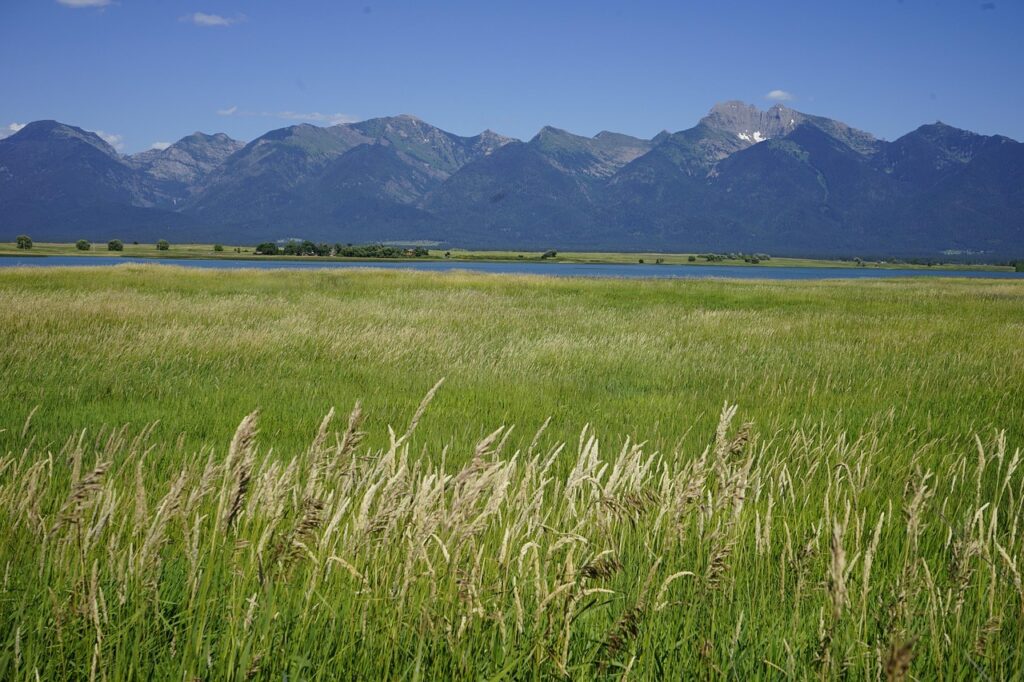
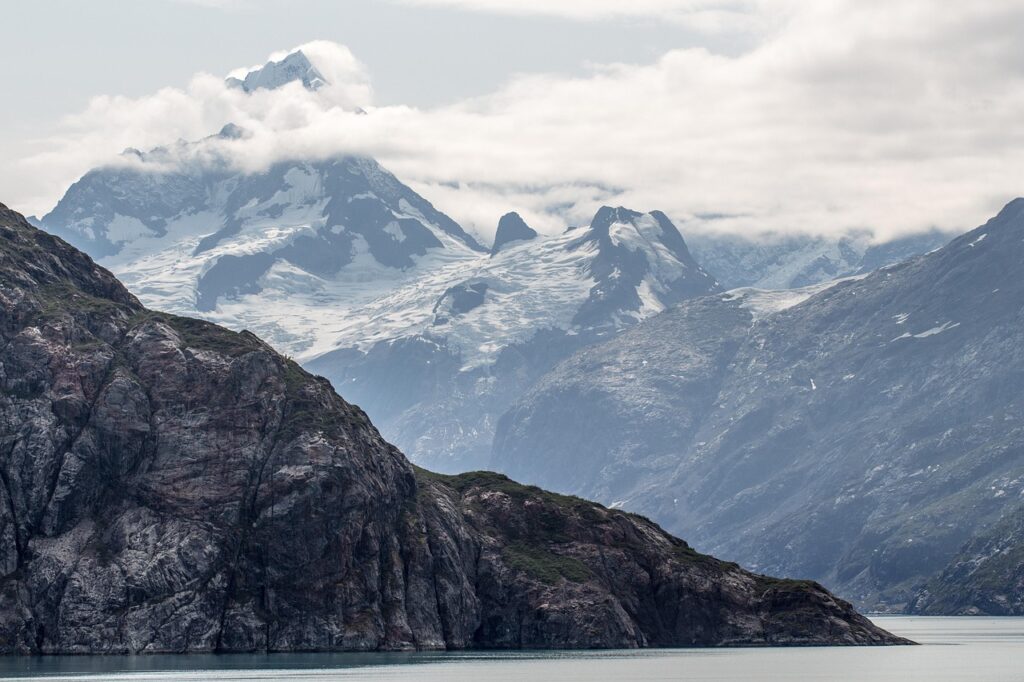
The coastal plain is critical habitat for species like the Porcupine caribou herd and is culturally significant to the Gwich’in people. Opponents warn drilling could threaten wildlife migration and subsistence patterns.
However, energy advocates and many Republicans have argued that ANWR’s coastal plain, known as the 1002 Area, holds vast untapped oil reserves — potentially billions of barrels. They’ve pushed to open it for exploration to reduce U.S. dependence on foreign oil and strengthen national energy security.
Key Reasons
- Energy Independence: Supporters argue that drilling in ANWR would boost domestic production, reducing reliance on imports and shielding the U.S. from volatile global energy markets.
- Economic Benefits: Proponents claim opening ANWR could create thousands of jobs, generate billions in federal and state revenue, and stimulate the Alaskan economy.
- Technological Advances: Advocates say modern drilling methods, such as directional drilling, can minimize environmental impact compared to older techniques.
- Strategic Resource Utilization: They see ANWR as part of a broader effort to utilize America’s full energy potential — including oil, natural gas, and renewables — to maintain geopolitical strength.
Environmental groups have opposed development in the region since debates first began in the late 1970s, arguing that it would threaten fragile ecosystems, disrupt caribou and migratory bird populations, and contribute to climate change.
This is a breaking news story. Please check back for updates.
READ NEXT: Fox News Legend Says NYC May Be Beyond Saving [WATCH]














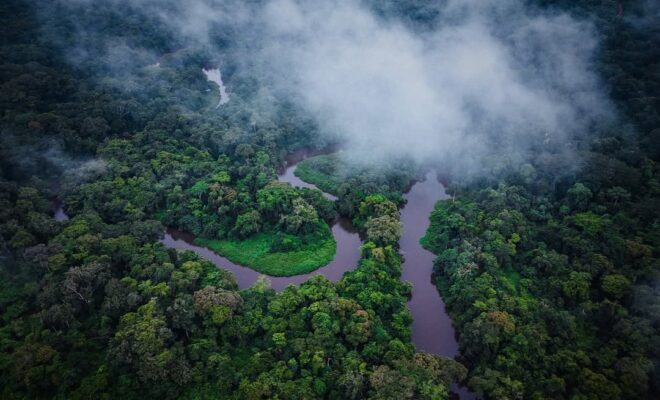






The picture you show as the coastal plain looks like the Mat-Su valley near where Pioneers Peak is located.