




There’s something undeniably compelling about a suppressed short-barreled shotgun. It’s compact, hearing-safe, and devastatingly effective for home defense or pest control on the ranch. The combination of a barrel under eighteen inches paired with a suppressor creates a package that’s easier to maneuver in tight spaces while protecting your hearing. But here’s the reality: the ATF regulates both short-barreled shotguns and suppressors under the National Firearms Act. That means double the paperwork, double the tax stamps, and double the patience required to build your dream setup legally.
By Brent Spicer for The Truth About Guns
The good news? The process is completely achievable for law-abiding citizens, and it’s become significantly more streamlined in recent years thanks to electronic filing systems and services like Silencer Shop. While the NFA might seem intimidating at first glance, understanding the process makes it less mysterious and more methodical. Let’s break down exactly how to navigate the regulatory landscape and emerge on the other side with a legal, suppressed SBS that you can actually enjoy shooting.
Form 1 vs Form 4: Choosing Your Path
When it comes to NFA shotgun ownership, you have two primary routes: Form 1 and Form 4. Each has distinct advantages depending on your specific goals and timeline preferences.
Form 1 is the “maker” form that allows you to manufacture or assemble an NFA item yourself. For an SBS build, this means you’d start with a standard shotgun and cut the barrel down yourself after approval. The major advantage here is speed. Form 1 approvals currently take between 30 and 90 days when filed electronically through the eForms system. You’ll pay a $200 tax stamp per NFA item, so $400 total for both the SBS and suppressor if going this route. Form 1 gives you flexibility in choosing exactly which shotgun platform you want to convert and how short you want that barrel.
Form 4, by contrast, is the transfer form used when purchasing a pre-made NFA item from a dealer. If you’re buying a factory SBS or having a gunsmith create one for you before transfer, you’ll use Form 4. The same applies to purchasing a manufactured suppressor. Form 4 wait times have improved dramatically, but still typically run longer than Form 1, often in the four to eight-month range. Each transfer also requires its own two-hundred-dollar tax stamp. Many shooters prefer this path because it eliminates the DIY aspect and ensures professional work, particularly when purchasing a suppressor.
For a suppressed SBS build, most enthusiasts opt for Form 1 on the shotgun itself and Form 4 for the suppressor. This approach lets you get hands-on with the shotgun conversion while leaving the complex suppressor manufacturing to the professionals. It also staggers your wait times; you can submit the Form 4 for your suppressor first, then file the Form 1 for your shotgun conversion later so they arrive closer together.
Navigating the Silencer Shop Process
Silencer Shop has revolutionized NFA purchases by simplifying what used to be a paperwork nightmare. Their system integrates with thousands of dealers nationwide and handles much of the bureaucratic heavy lifting for you.
Here’s how it works for buying your suppressor via Form 4. First, you’ll create an account on Silencer Shop’s website and complete their digital fingerprinting process at a participating kiosk. This creates your profile in their system, including all necessary biometric data. Next, you’ll select your suppressor and choose a local dealer from their network for the transfer. Silencer Shop will guide you through completing Form 4, including uploading a passport photo and completing the responsible person questionnaire. They’ll even help you set up an NFA gun trust if you want multiple people to have legal access to your NFA items.
Once you submit everything through their system, Silencer Shop interfaces directly with the ATF’s eForms platform. You’ll pay your $200 tax stamp through their portal, and then the waiting begins. Throughout the process, you can check your status through your Silencer Shop account. When approved, you’ll receive notification and can pick up your suppressor from your chosen dealer after completing the standard Form 4473 background check.
For the Form 1 SBS portion, you’ll file directly with the ATF through their eForms website, as Silencer Shop primarily handles suppressor and other pre-manufactured NFA item transfers. The ATF’s eForms system requires creating an account, submitting digital photos and fingerprint cards, and paying the tax stamp directly to the government. While not quite as streamlined as Silencer Shop’s interface, it’s far more user-friendly than the old paper process.
Selecting Your SBS Platform and Suppressor
Choosing the right shotgun for your SBS build matters a great deal. Popular platforms include the Mossberg 590 Shockwave, the Remington 870, and various semi-automatic options such as the Beretta 1301. Consider barrel length carefully. While federal law allows barrels as short as you want once you have the tax stamp, most practical SBS builds land between ten and fourteen inches. This length provides excellent maneuverability while maintaining reasonable patterns with buckshot or adequate velocity with slugs.
For home defense applications, a twelve-gauge pump gun with a thirteen-inch barrel offers the sweet spot of stopping power and compact handling. If you’re building for property management or pest control, a semi-auto twenty-gauge with a fourteen-inch barrel might provide faster follow-up shots with less recoil.
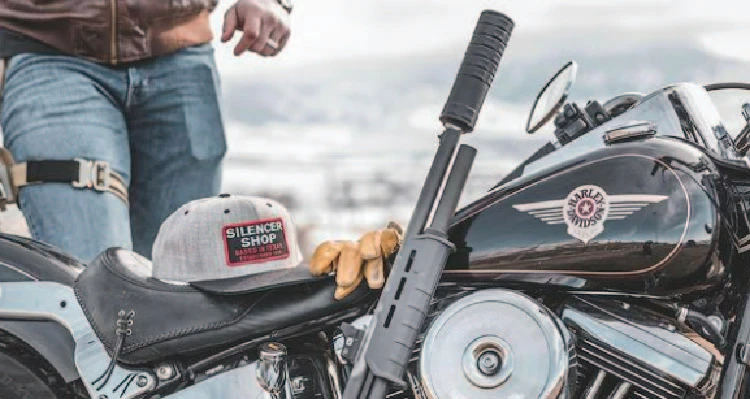
Shotgun suppressor selection requires matching thread pitch, considering back pressure, and ensuring the can is rated for shotgun use. Not all suppressors can handle the pressure and debris from shotgun shells, so choose wisely. Companies like JK Armament, SilencerCo, and others manufacture suppressors engineered specifically for the unique demands of suppressed shotgun operation. These suppressors typically reduce sound by thirty to forty decibels, making your SBS hearing-safe without ear protection when using subsonic ammunition.
Pay attention to suppressor weight and length, as these directly impact how your SBS handles. A heavy, long can on a short barrel can make the gun front-heavy and awkward. Many shooters opt for shorter, lighter suppressors on their SBS builds, even if this means slightly less sound suppression, prioritizing handling characteristics over maximum decibel reduction.

Legal Compliance and Final Considerations
Operating your suppressed SBS legally requires constant awareness of NFA regulations. Your approved Form 1 or Form 4 must accompany the firearm whenever you transport it across state lines, and you’ll need ATF permission via the 5320.20 form for interstate transport. Keep copies of your tax stamps both with the firearm and in a secure location at home. Many gun trusts use a “suppressor trust” to simplify ownership logistics and allow multiple trustees legal access.
Remember that state laws vary significantly regarding NFA items. Some states prohibit SBS ownership entirely, while others restrict suppressor use. Verify your state and local laws before starting this process—the last thing you want is federal approval for items you can’t legally possess in your jurisdiction.
Building a suppressed short-barreled shotgun is a significant investment of time and money. Between two NFA items at two hundred dollars each, the cost of the gun and suppressor themselves, and potential gunsmithing fees, you’re likely looking at an investment of fifteen hundred to three thousand dollars, depending on your component choices. Factor in wait times that could total 6 months or more if running both processes sequentially.
But for those willing to navigate the regulatory maze, the result is a uniquely capable firearm that’s pleasant to shoot and devastatingly effective for its intended purposes. The ATF might not love that these builds exist, but they’ve created a legal framework for ownership. By following the process carefully and maintaining compliance, you can legally own a suppressed SBS that delivers on both performance and cool factor.
Read the original article in its entirety on The Truth About Guns.
READ NEXT: Trump-Backing NFL Legend Suddenly Taken Into Custody