








With Congress forcing transparency on Epstein, the UN sounding alarms on Nigeria, and Washington engaging Moscow on detained Americans, the morning opens with high stakes at home and abroad.
Congress Forces the Issue: Epstein Files Headed for Release
Washington moved with rare speed last night as the Senate approved the Epstein Files Transparency Act by unanimous consent, sending the bill to the White House just hours after the House passed it in a striking 427–1 vote.
The bipartisan measure orders the Justice Department to release all investigative material tied to Jeffrey Epstein’s sex-trafficking network, overriding months of resistance from President Trump and signaling that political patience has run out.
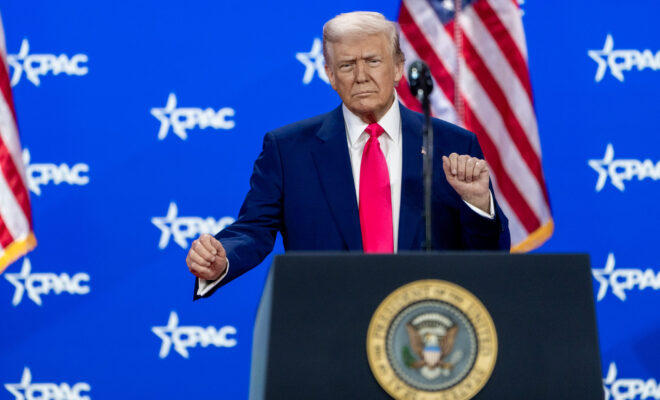
The administration’s July memo — which claimed to find no evidence of blackmail and no grounds to pursue additional Epstein associates — provoked outrage across the political spectrum, including from Trump’s own base. Trump reversed course this weekend with a flurry of statements.
Tensions flared again during an Oval Office event, Trump lashed out at an ABC News reporter, accusing the network of fake coverage and suggesting the FCC should consider pulling ABC’s license.
Nicki Minaj Brings Nigerian Christian Persecution to the UN Spotlight
At the United Nations, an unlikely figure drove global attention to one of the world’s deadliest crises for religious minorities: Nicki Minaj.
The rapper convened a high-profile panel at the U.S. Mission to the UN alongside Ambassador Mike Waltz, victims of religious violence, legal advocates, and experts documenting the surge of Islamist extremist attacks across northern Nigeria.
“In Nigeria, Christians are being targeted, driven from their homes and killed,” Minaj said, urging the international community to confront systemic atrocities — burned churches, slaughtered pastors, and ongoing kidnappings including the abduction of 25 schoolgirls this week.
Ambassador Waltz called the violence “a river of blood that still cries from Nigerian soil,” citing data that 80% of global Christian persecution deaths occur in Nigeria. Experts described executions under blasphemy laws, ISIS-linked terror networks, and a government in Abuja unwilling or unable to respond.
Minaj’s involvement grew from Trump’s recent decision to designate Nigeria a Country of Particular Concern, opening the door to sanctions and heightened U.S. diplomatic pressure. She framed her advocacy as a moral obligation and “bigger purpose,” using her platform to demand global action for victims targeted “simply because of how they pray.”
Washington Quietly Reopens Prisoner-Swap Talks With Moscow
Behind the scenes, the United States and Russia are edging toward a potential major prisoner exchange that could decide the fate of at least eight Americans still behind bars in Russia — many in cases the U.S. says are politically complicated.
Russian envoy Kirill Dmitriev confirmed during a late-October visit to Washington that “humanitarian” discussions are underway. A senior American official described the atmosphere as constructive but cautioned that no deal is yet close.
The negotiations come after a series of earlier Trump Administration exchanges freed American teacher Marc Fogel and Russian-American dancer Ksenia Karelina. Now, the United States is reportedly pushing for the return of Americans including Marine Robert Gilman, 73-year-old war-crime-accused Stephen James Hubbard, several citizens imprisoned on disputed criminal charges, and soldier Gordon Black.
Republican foreign-policy voices argue that the talks reflect a renewed posture: no American left behind, no matter the adversary. Moscow, for its part, hopes a swap could “create more trust” — though the geopolitical calculus remains fraught.
The biggest unanswered questions: Who will be on the list? What will the United States be asked to give? And how quickly could a deal come together?
READ NEXT: US And Russia In Talks For New Prisoner Swap