



A trio of major political battles broke out across the country this week — from a new RNC lawsuit testing the boundaries of voter eligibility, to escalating whistleblower accusations in Minnesota’s welfare system, to a surprisingly tight special election in deep-red Tennessee. Together, the developments offer a snapshot of the tensions shaping the run-up to 2026: election integrity, government accountability, and shifting electoral ground.
RNC Challenges Michigan Over Voting Rules for Overseas Residents
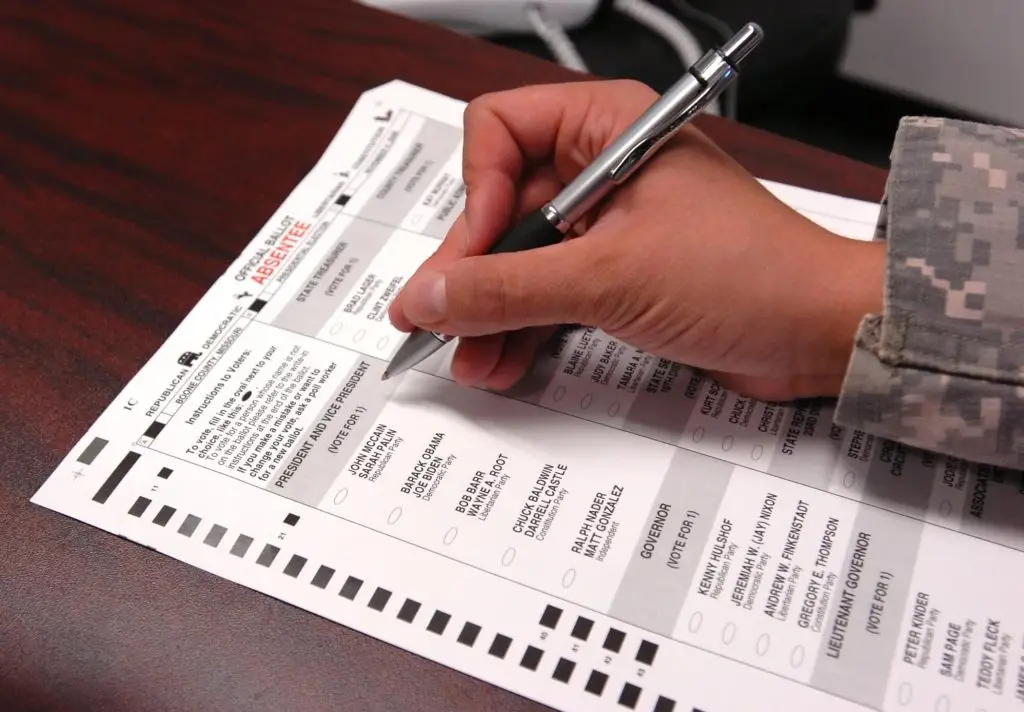
The Republican National Committee opened a fresh front in the fight over election law Monday, suing Michigan Secretary of State Jocelyn Benson over policies that allow certain overseas citizens to vote in state elections—even if they’ve never lived in Michigan.
At issue is Benson’s guidance permitting American citizens abroad — including spouses and children of Michigan residents serving in the military — to cast absentee ballots. RNC lawyers argue that Michigan’s constitution requires voters to have lived in the state for at least six months unless they are former residents, and that current rules unlawfully extend the franchise to individuals with no physical or historical ties to the state at all.
RNC Chairman Joe Gruters accused Benson of “ignoring” the state constitution, saying, “Individuals who have never lived in the United States, let alone Michigan, should not have a say in Michigan’s elections.” Benson’s office dismissed the lawsuit as a political maneuver targeting military families and spreading distrust in the state’s “secure and fair” elections.
The RNC notes it has already won a nearly identical case in North Carolina, where courts ruled that non-residents cannot vote in state elections under state constitutional residency requirements. Michigan’s challenge now moves into a national landscape where control of absentee, military, and overseas voting rules remains under intense partisan scrutiny.
Minnesota Whistleblowers Accuse Gov. Walz of Ignoring — and Punishing — Fraud Warnings
In Minnesota, nearly 500 state employees have publicly accused Democrat Gov. Tim Walz of ignoring years of internal warnings about massive fraud within the state’s aid programs — and retaliating against the staff who raised concerns.
The whistleblowers, who work within the Department of Human Services, claim they repeatedly alerted Walz to widespread corruption involving Somali-run nonprofits and state-funded assistance programs. Instead of addressing the problem, they say, Walz “systematically retaliated” through intimidation, monitoring, and attempts to discredit their findings.
Their latest statement came after a New York Times report detailing how hundreds of millions of taxpayer dollars had been siphoned off through schemes including the “Feeding Our Future” scam, pandemic relief fraud, and theft within autism treatment programs. Some funds, investigators now say, may have been funneled all the way to the Islamist terror group al-Shabaab.
Treasury Secretary Bessent confirmed Monday that the federal government is formally investigating whether Minnesota tax dollars were diverted to terrorism, pointing to “feckless mismanagement” in both the Biden administration and Walz’s office.
The DHS employees say Walz weakened oversight mechanisms, undermined the state’s Legislative Auditor, and misrepresented federal ARPA pandemic aid as a state budget surplus. “Tim Walz is dishonest, lacks ethics and integrity, and has never taken accountability,” the group wrote.
The allegations add pressure to a governor already facing national attention as Minnesota becomes a political and policy flashpoint heading into 2026.
Republicans Hold Tennessee Seat — but Democrats Overperform by Double Digits
In Tennessee, Republicans won a special House election Monday night — but not without a jolt. GOP candidate Matt Van Epps narrowly defeated Democrat Aftyn Behn 52.1% to 46.8% in a district Donald Trump carried by 22 points just a year ago.
Behn’s 10–15 point overperformance stunned GOP strategists and underscored growing concerns about Republican turnout in special elections. The race drew late intervention from both Trump and Speaker Mike Johnson, illustrating just how anxious the party has become about maintaining momentum ahead of a what’s expected to be a difficult midterm cycle.
Despite the unexpectedly close call, Republicans quickly pointed to future opportunities. A favorable Supreme Court ruling on the Voting Rights Act could open the door for new GOP-friendly redistricting across Southern states before the 2026 election — potentially offsetting losses elsewhere.
Still, the Tennessee warning sign was unmistakable. Rep. Tim Burchett urged Republicans to take Democratic gains seriously, calling Behn a “homegrown Marxist” and warning that complacency could cost the party in 2026. Van Epps will serve the remainder of the term before facing voters again next year.
READ NEXT: RNC Continues To Push For Election Integrity