

Ending more than a year of uncertainty at the space agency…
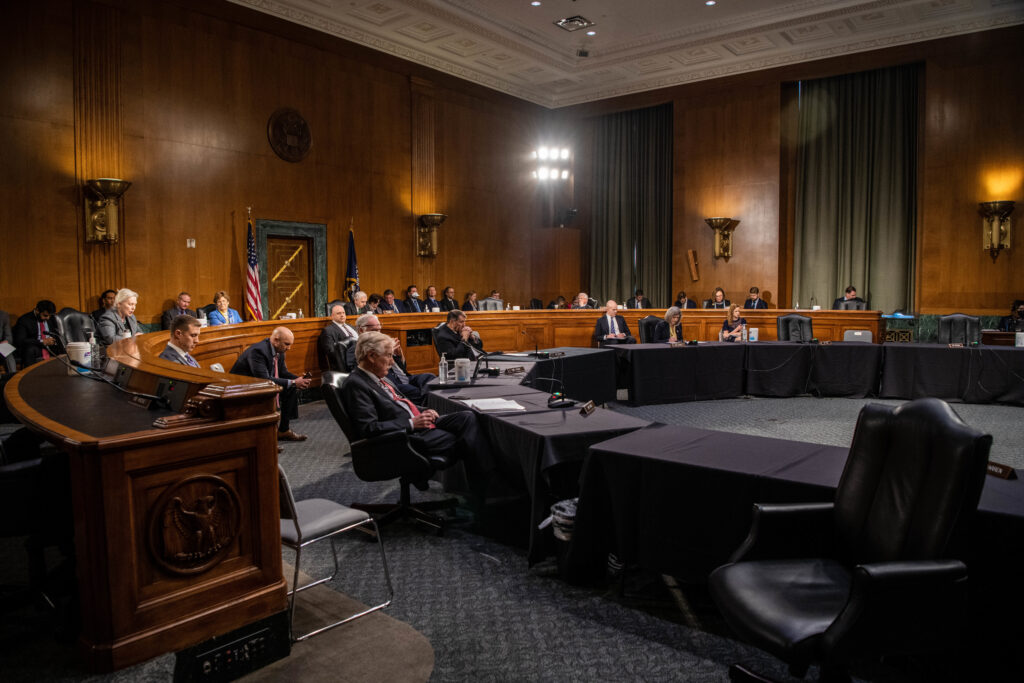
WASHINGTON — The U.S. Senate on Wednesday confirmed billionaire entrepreneur and private astronaut Jared Isaacman as the next administrator of NASA, ending more than a year of leadership limbo at the agency.
The Senate approved Isaacman’s nomination by a 67-30 vote, with support from both parties. He becomes NASA’s 15th administrator and takes over after the agency has operated under acting leadership for more than a year.
A High-Profile Pick With Private-Sector Roots
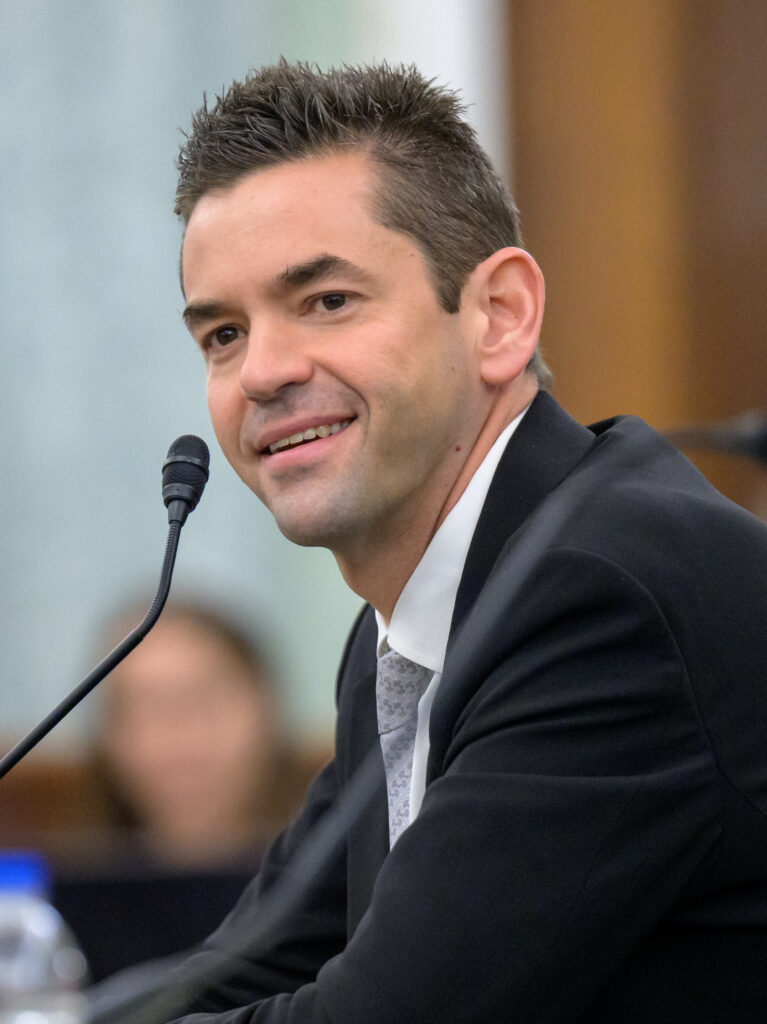
Isaacman, 42, is the founder and CEO of Shift4, a payment processing company. He is also a commercial astronaut who has flown two privately funded missions to orbit.
One of those missions, Polaris Dawn, made history last year when Isaacman became the first private citizen to conduct a spacewalk. His background sets him apart from many previous NASA leaders, who often came from government, military, or academic space programs.
A Stop-and-Start Nomination
President Donald Trump first nominated Isaacman in December 2024. The White House later withdrew the nomination in May amid political controversy, creating months of uncertainty about the agency’s future leadership.
Trump renominated Isaacman in November. The Senate Commerce Committee advanced his nomination earlier this month, clearing the way for Wednesday’s full Senate vote.
Focus on the Moon and Beyond
During his confirmation hearings, Isaacman said his top priority would be accelerating NASA’s plans to return U.S. astronauts to the Moon by 2028. That goal is central to the Artemis program, which has faced repeated delays and cost overruns.
Scientific American continues:
Now that Isaacman has the job, his attention is likely to be fixed on getting NASA back on track to putting astronauts on the moon in 2028. U.S. lawmakers have told him repeatedly throughout his confirmation process that beating China to the moon is the top priority; Beijing plans to land its astronauts on the lunar surface by 2030.
Space scientists and former astronauts told Scientific American that they hoped Isaacman, having gone to space twice himself and participated in the first private spacewalk, would reinvigorate NASA after years of delays and setbacks to its moon and Mars exploration program. Isaacman seems committed to lighting a fire under NASA’s efforts to stay one step ahead of China. What remains far less clear, however, is how he will fare against the Trump administration’s push to shrink the agency’s budget, space race or no space race.
Isaacman has repeatedly called for expanding human space exploration, pointing to the need to lay the groundwork for future missions to Mars, while also warning that budget constraints and technical hurdles continue to limit how quickly NASA can move.
Why It Matters
The billionaire stargazer steps into the top job at NASA at a high-stakes moment, with Congress demanding tighter budgets even as the agency is expected to preserve U.S. dominance in orbit.
Those pressures are intensifying as China accelerates its lunar program and advances plans for sustained human exploration beyond Earth orbit. How Isaacman balances budget discipline with intensifying global competition could define America’s scientific — and military — future in space.
This is a breaking news story. Please check back for updates.
READ NEXT: Disturbing Lefty City PD Practices Spark Fury


















Is not a good pick for this prestigious position.