


U.S. forces intercepted and boarded a second merchant oil tanker in international waters near Venezuela early Saturday, escalating Washington’s newly announced blockade of Venezuelan oil shipments.
The operation came less than two weeks after U.S. officials disclosed plans to halt oil exports they say help finance criminal networks tied to the Maduro government.
Second Interception in Days
U.S. officials confirmed the vessel is believed to be the Panama-flagged Centuries, carrying an estimated 1.8 million barrels of Venezuelan crude bound for China. The tanker was boarded in pre-dawn hours by U.S. Coast Guard and military personnel enforcing the blockade, according to U.S. authorities.
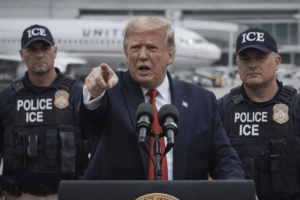
Homeland Security Secretary Kristi Noem confirmed the operation, describing it as part of a broader effort to disrupt what officials call illicit oil trafficking.
The interception follows the Dec. 10 seizure of another oil tanker, the Skipper, in the same region.
Administration’s Rationale
The Trump administration says the blockade is aimed at cutting off revenue streams that Washington claims support “narco-terrorism” and sanctions evasion by Venezuela’s government.
U.S. officials have characterized the tankers as part of a Venezuelan “shadow fleet” used to move oil outside formal markets. They say enforcement actions are necessary to uphold sanctions and deter illegal trade.
Some analysts, however, note that the Centuries may not appear on the official U.S. sanctions list, raising questions about the legal footing for boarding the vessel in international waters.
NY Times: the tanker the US seized today, called "the Centuries, is not on a list of tankers under U.S. sanctions that is publicly maintained by the Treasury Department. The people inside Venezuela’s oil industry said the cargo belongs to an established China-based oil trader… pic.twitter.com/UXNkKBKgUq
— Steve Lookner (@lookner) December 20, 2025
Venezuela Pushes Back
Venezuela’s government condemned the interception, calling it “international piracy” and a violation of maritime law.
Officials loyal to President Nicolás Maduro accused Washington of trampling national sovereignty and ignoring international norms governing freedom of navigation.
Caracas has urged international bodies to intervene, arguing the U.S. actions set a dangerous precedent.
Rising Regional Tensions
The latest incident comes amid a broader U.S. military buildup in the Caribbean and Pacific, including operations targeting vessels accused of drug trafficking.
Critics warn the expanded use of maritime enforcement could heighten regional tensions and increase the risk of miscalculation. Some foreign governments and international observers have called for U.N. involvement to clarify the legal framework governing the blockade.
Legal and Market Fallout
Legal experts have questioned whether the United States has the authority to seize or board non-sanctioned vessels operating in international waters.
The market impact has been swift. Venezuela’s oil exports have reportedly fallen sharply since the first tanker seizure, with some vessels turning back rather than risk interception.
For now, U.S. officials signal the blockade will continue, setting the stage for further confrontations at sea.
READ NEXT: New Controversy Pushes Prominent Republican Toward Impeachment









The lede image for this story appears to be an unacknowledged “file” image of an unloaded or nearly unloaded tanker, not that of the Centuries that was boarded.