Israeli media are reporting that Iran may be involved in an alleged plot to assassinate Syrian President Ahmed al-Sharaa, the former rebel leader now overseeing Syria’s post-Assad political transition.
According to the Israeli outlet Walla, Israeli intelligence has warned Syrian authorities that Tehran is collaborating with other hostile actors to target al-Sharaa, whom Iran reportedly views as a threat to its long-standing influence in Syria. The Israel Defense Forces are said to have relayed the warning amid concerns over Syria’s political fragility following the overthrow of longtime ruler Bashar al-Assad.
Israeli intelligence assessments suggest Iran may seek to neutralize al-Sharaa before his government fully consolidates power.
Speculation intensified in late December after reports of explosions and gunfire near the presidential palace in Damascus, followed by a brief media blackout. Unconfirmed online reports claimed an assassination attempt had occurred or that al-Sharaa had been wounded and transferred to Turkey for medical treatment.
Syrian authorities denied those claims. Officials said Monday that al-Sharaa was not the target of any security incident, although two sources told Agence France-Presse that a shooting occurred last week in the presidential palace. Syria’s Interior Ministry also briefly issued a statement denying rumors of the president’s death or incapacity, attributing his absence from public view to security concerns. The statement was later deleted.
Al-Sharaa, formerly known as Abu Mohammad al-Julani, led Hay’at Tahrir al-Sham during the Syrian civil war. The group originated as an al-Qaeda affiliate, though al-Sharaa later announced a break from global jihadist movements and repositioned HTS as a nationalist Islamist force. He has survived multiple previous assassination attempts, some attributed to ISIS-linked operatives.
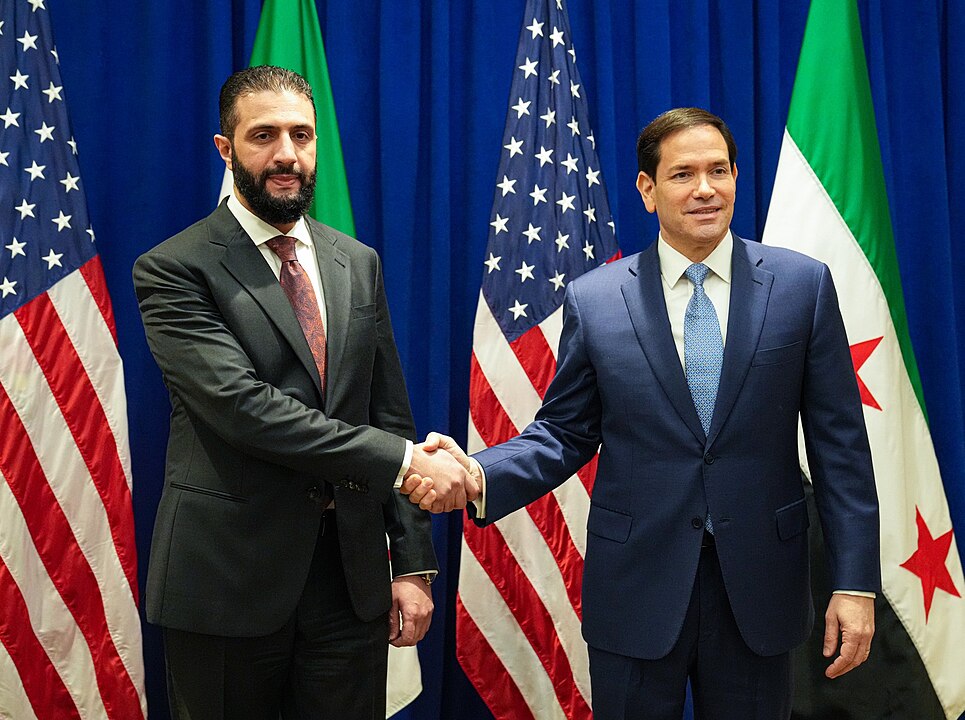
Israeli intelligence warnings emerged less than two months after al-Sharaa met with President Donald Trump during a November 2025 visit to the White House, marking a dramatic shift for a figure who once fought U.S. forces in Iraq.
Analysts warn that al-Sharaa’s central role in Syria’s transitional governance creates vulnerabilities, with his sudden removal potentially triggering internal fragmentation and renewed competition among rival factions or foreign powers.
The reported plot comes amid heightened regional tensions, as Iran has voiced concern over the possibility of U.S. or Israeli military action against its interests. Those concerns have grown following the recent U.S. capture of Venezuelan leader Nicolás Maduro and what analysts describe as a more assertive foreign policy posture under the Trump administration.
The developments indicate that Iranian officials may see Syria’s new leadership as both a strategic setback and a potential threat, prompting concerns about possible covert efforts to counter it.
READ NEXT: Congress Moves Against Fourth-Largest US School District After New Claims