
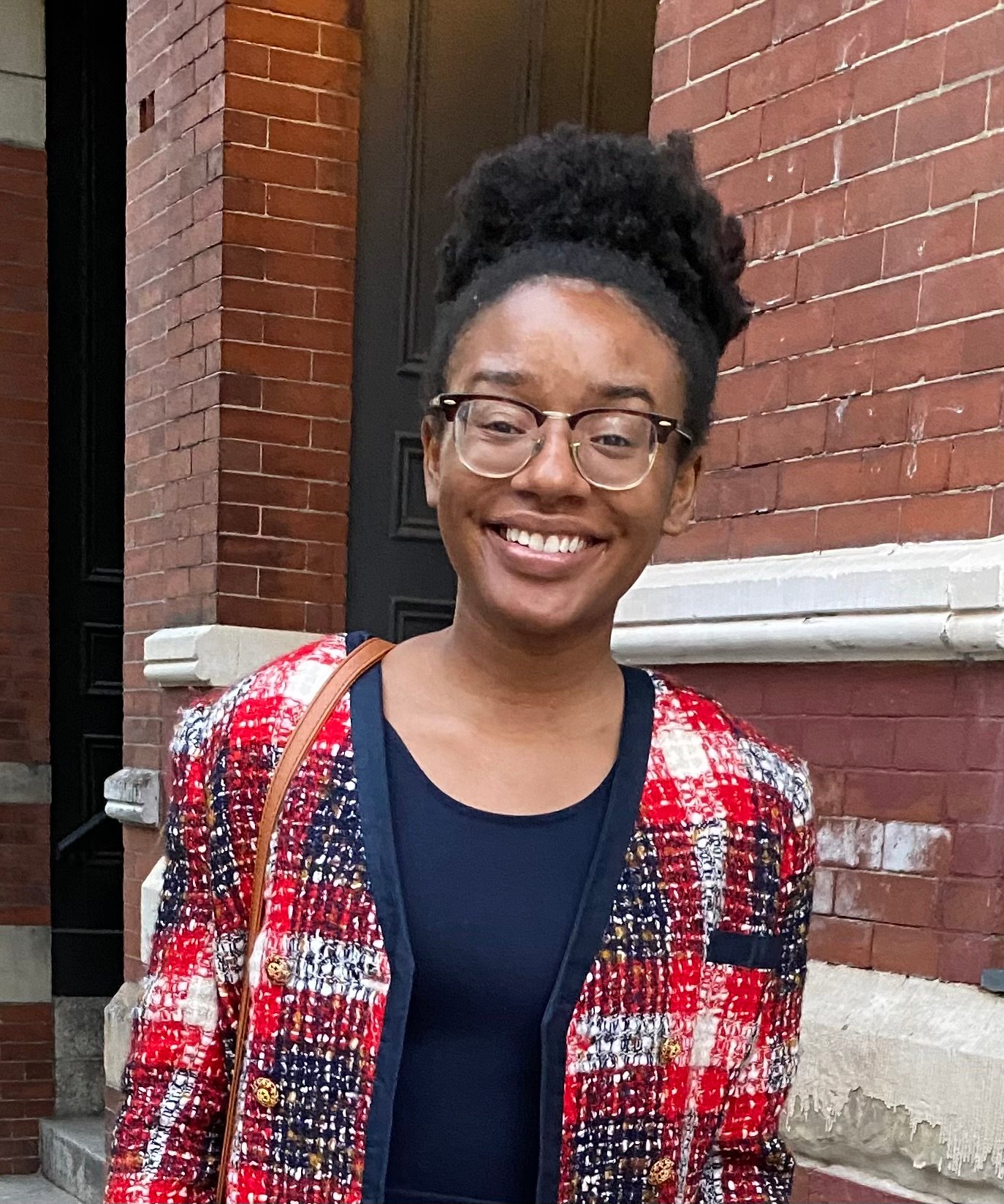











A North Carolina House Oversight Committee hearing examining local cooperation with federal immigration authorities took an unexpected turn this week when a Democratic sheriff struggled to answer basic questions about the structure of government.
The hearing was prompted in part by the recent killing of Iryna Zarutska, a young Ukrainian woman who had sought refuge in the United States and was fatally stabbed on a Charlotte light-rail train. The case has intensified debate among state lawmakers over immigration enforcement and local compliance with U.S. Immigration and Customs Enforcement (ICE).
Civics pop quiz: fail. When asked what branch of government he’s part of, Garry McFadden had no idea, then settled on “judicial.” #ncpol #ncga pic.twitter.com/pkAOrVMQz0
— Nick Craig (@nicholasmcraig) February 9, 2026
During the hearing, Republican state Rep. Allen Chesser questioned Mecklenburg County Sheriff Garry McFadden about his role in government and his office’s obligations under state law. Chesser asked McFadden, “What branch of government do you operate under?”
McFadden initially replied, “Mecklenburg County.” When Chesser repeated the question, the sheriff responded, “The Constitution of the United States.” Chesser clarified that he was asking which branch of government the sheriff falls under.
After again answering “Mecklenburg County,” McFadden was asked how many branches of government there are. He replied, “No.” Chesser then outlined the three branches — legislative, executive and judicial — and asked which applied to the sheriff’s office. McFadden said he believed he fell under the judicial branch. Chesser responded that the sheriff operates under the executive branch.
The exchange drew attention because McFadden has been a vocal critic of cooperation with ICE and has previously resisted honoring ICE detainer requests. Chesser pressed the sheriff on how he reconciles his duties as a member of the executive branch — responsible for enforcing the law — with prior statements suggesting his office did not have to follow certain state laws related to immigration enforcement.
Chesser cited a previous remark attributed to McFadden stating, “We do not have a role in enforcement whatsoever, we do not have to follow the rules and the laws that are governed by our lawmakers in Raleigh.” McFadden said the comment was taken out of context and was made specifically in reference to immigration enforcement.
The sheriff affirmed during the hearing that his office is currently complying with state law requiring cooperation with ICE. “We follow the law, when the law is produced, we follow the law,” McFadden said.
In an interview the following day, Chesser said he had not anticipated the line of questioning would turn into what he described as a basic civics lesson.
“I was not expecting to have to get into a fifth-grade civics lesson with a duly elected sheriff,” said Chesser, an Army veteran and former police officer. He said he had planned to question McFadden about what he viewed as inconsistencies between the sheriff’s past public statements and his testimony before the committee.
Chesser argued that the broader issue is not simply immigration enforcement, but whether state laws are applied consistently across North Carolina’s counties.
“It’s not so much the refusal to enforce immigration law, but it’s the refusal to enforce state law that says he must cooperate with ICE and ICE detainers when people are in custody in his facilities,” Chesser said.
Referencing Zarutska’s death, Chesser said the tragedy underscored the importance of uniform law enforcement across the state.
“I think that all North Carolinians, and all people who find themselves in North Carolina, should be able to count on one thing when it comes to public safety, and that is whether or not you are safe and whether or not the law will be enforced is not dependent on what county you find yourself in,” he said.
The Mecklenburg County Sheriff’s Office did not immediately respond to a request for comment following the hearing.
The exchange highlights ongoing tensions in North Carolina over immigration policy, local law enforcement authority and the balance between state mandates and county discretion.
READ NEXT: Republicans Demand Removal Of Judge That Released Iryna Zarutska’s Murderer






















If a person is in law enforcement, that person had BETTER know his/her state laws, local laws, and most importantly … the Constitution of these United States!
THESE United States! Not THE United States! That is what we are!
Actually, ALL Americans should know all of this!
Freedom is NOT free! We must continually work to keep our freedoms as they are specified in the Constitution!
Now is the time! Once lost, freedom is VERY HARD to get back.
Many people have died for our freedom. Don’t let that sacrifice be in vain!