







Rubio states that the U.S. does not doubt the findings…
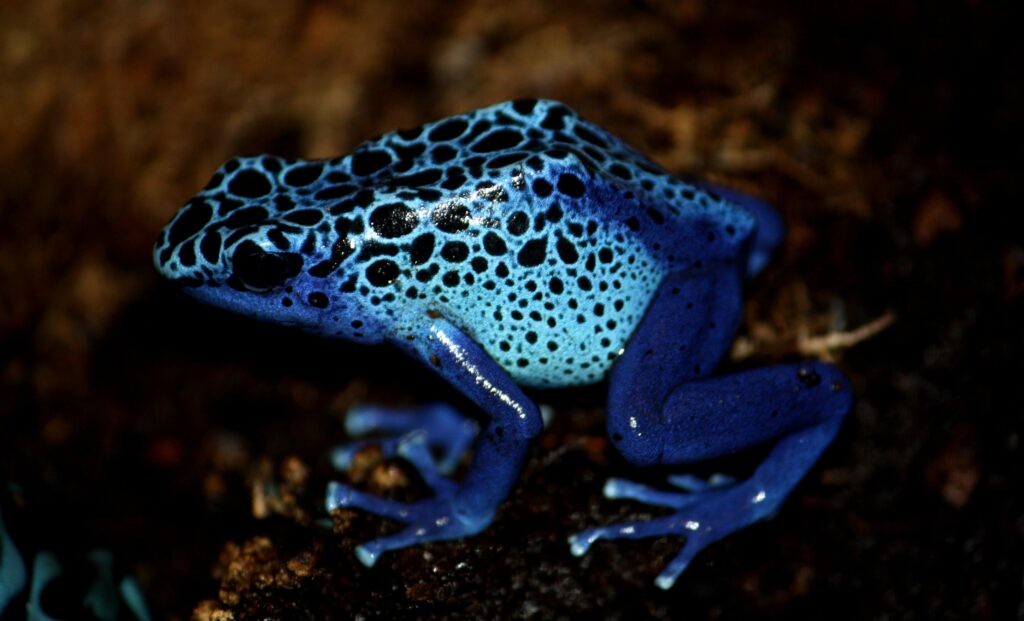
Multiple European governments — including the United Kingdom, France, and Germany — report that laboratory testing detected epibatidine, a highly toxic compound found in South American poison dart frogs, in samples taken from Russian opposition leader Alexei Navalny after his death.
Epibatidine is not naturally found in Russia and is considered extremely potent. Scientific literature suggests it may be 100 to 200 times stronger than morphine. The compound acts on the nervous system by interfering with neural signaling, causing muscle paralysis and respiratory failure.
According to European officials, laboratory analysis conducted in multiple accredited facilities confirmed the presence of the toxin in Navalny’s biological samples. The five governments, including Sweden and the Netherlands, have stated that the findings indicate deliberate poisoning.
Officials argue there is no natural explanation for the substance found in his system.
European governments have accused Russia of having the capability and opportunity to administer the toxin while Navalny was imprisoned in a remote Arctic penal colony. They have indicated plans to raise the matter with the Organization for the Prohibition of Chemical Weapons.
Secretary of State Marco Rubio described the lab results as “troubling” and said the United States does not dispute the assessment.
Speaking to reporters during a visit to Slovakia, Rubio said, “We don’t have any reason to question” the findings.
The Kremlin has denied the allegations, calling them “Western propaganda” and disputing the conclusions in the absence of publicly released full laboratory data.
Newsweek has additional details on Moscow’s vehement denials:
The Kremlin said it had a “very negative” reaction to Western accusations that the Russian state fatally poisoned jailed opposition leader Alexei Navalny with a deadly toxin found in the skin of Ecuador dart frogs.
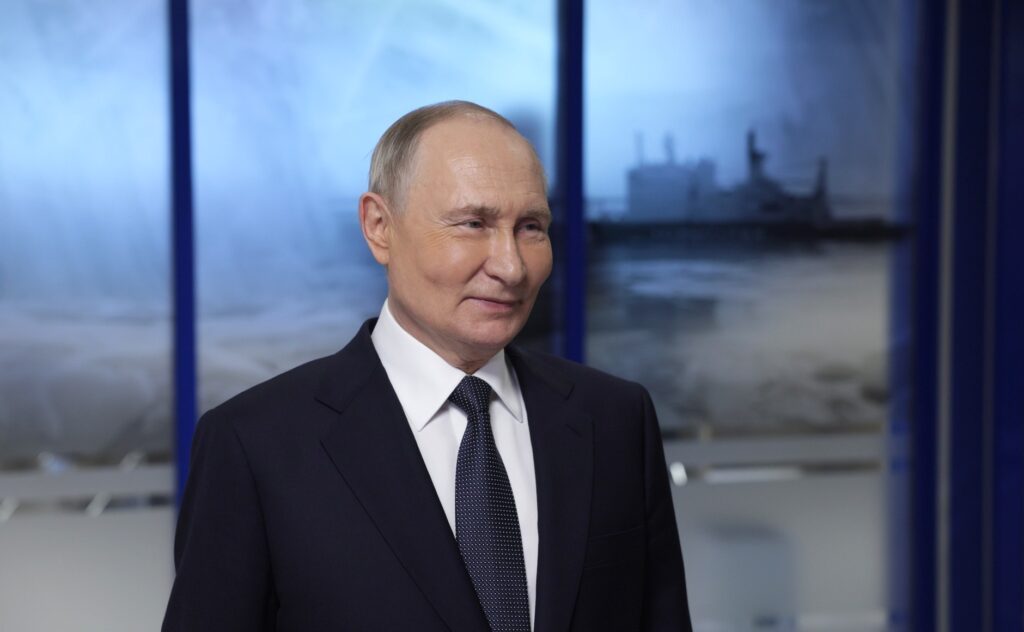
“We, of course, do not accept such accusations; we disagree with them,” Dmitry Peskov, spokesman for Russian President Vladimir Putin, told reporters on Monday, state news agency TASS reported. “We consider them biased and unfounded. We firmly reject them,” Peskov continued, originally in Russian.
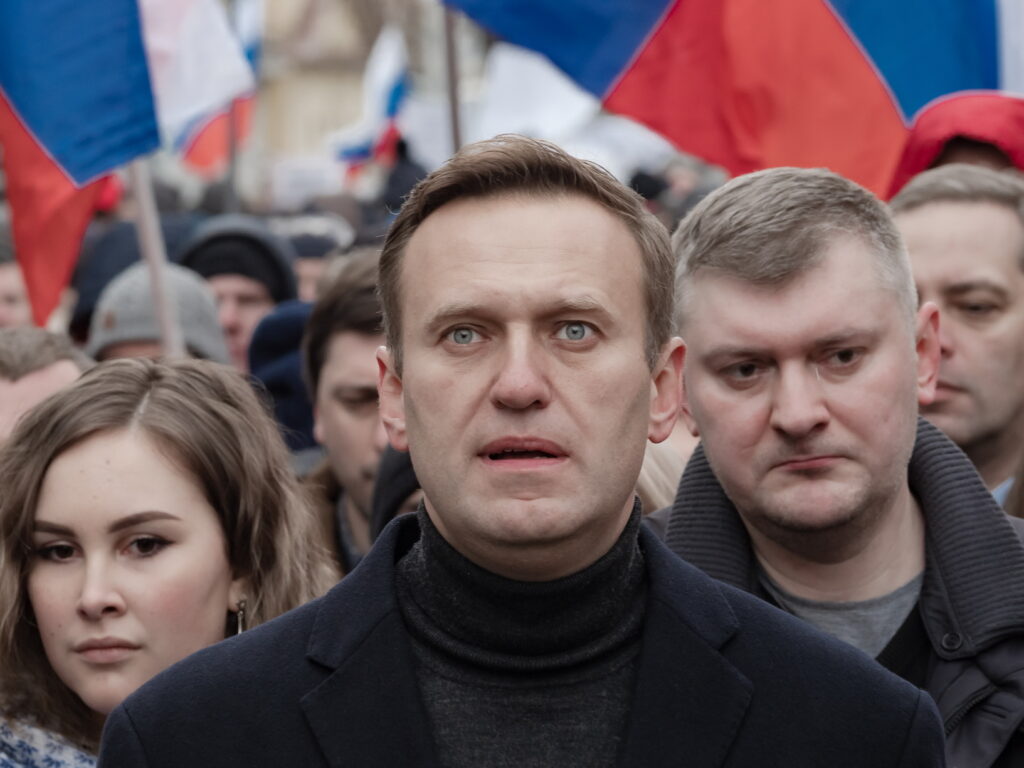
Navalny, Russia’s most prominent critic of Putin, died on Feb. 16, 2024, while serving a lengthy prison sentence. Russian authorities initially said he died of natural causes. His family, supporters, and Western governments have long suspected foul play, citing previous incidents, including Navalny’s 2020 poisoning with a Novichok nerve agent.
Over the past two decades, multiple high-profile cases have involved suspected poisonings of Kremlin critics or former insiders. Moscow has denied responsibility in each case.
2006 — Alexander Litvinenko (U.K.)
- Former Russian security officer turned Kremlin critic
- Fell ill in London; later died from polonium-210 radiation poisoning
- A 2016 U.K. public inquiry said the killing was “probably approved” at senior levels of the Russian state
- Russia denied involvement
2018 — Sergei & Yulia Skripal (U.K.)
- Ex-Russian spy and his daughter found unconscious in Salisbury
- U.K. officials said they were poisoned with a Novichok nerve agent
- Britain blamed Russian operatives
- Mass diplomatic expulsions followed
- Moscow denied responsibility
2020 — Alexei Navalny (Russia → Germany)
- Navalny collapsed on a flight in Siberia
- European labs concluded he was poisoned with Novichok
- The Kremlin rejected the findings
- Navalny later returned to Russia and was imprisoned
2022 — Dmitry Muratov (Russia)
- Nobel Peace Prize-winning journalist
- Reported symptoms consistent with poisoning on a train
- No formal conclusion was issued
- Russian authorities did not confirm poisoning
2024 — Alexei Navalny (Russia)
- Died in February 2024 in a remote Arctic penal colony
- Russian officials said he died of natural causes
- Five European governments later reported detecting a rare toxic compound in laboratory testing
- European officials suggested deliberate poisoning
- The Kremlin dismissed the claims as politically motivated
READ NEXT: Report: State Lawmakers Move To Criminalize ‘Gun Knowledge’