



TEHRAN — Iranian state media has confirmed that Supreme Leader Ayatollah Ali Khamenei, who ruled the Islamic Republic with an iron fist since 1989, died following a coordinated military strike by the United States and Israel, officials said early Sunday.
40 Days of Mourning Announced
Iran’s state television announced Khamenei’s death and declared a traditional 40-day national mourning period. The confirmation came after President Trump and Israeli leaders publicly stated that he had been killed in the joint operation targeting Iran’s leadership and military infrastructure.
BREAKING:
— Visegrád 24 (@visegrad24) March 1, 2026
The moment Iranian state television announced the death of Ayatollah Ali Khamenei.
This moment will go down in history. pic.twitter.com/GtqXIDmoN0
Khamenei, 86, had steered Iran’s foreign and domestic policy for more than three decades, guiding the country through standoffs with the United States and Israel and maintaining tight control over the military and political apparatuses.
A Power Vacuum in Tehran
With no clear successor named, Iran now faces a significant leadership transition. Under Iran’s constitution, the Assembly of Experts selects the next supreme leader, but the process is likely to unfold amid intense internal and external pressures.
Khamenei’s death marks a dramatic turning point for Tehran. The supreme leader held ultimate authority over Iran’s military and nuclear policies, and his absence could reshape the country’s strategic posture.
Regional and Global Implications
The announcement comes amid open conflict in the Middle East, with Iranian missile and drone strikes reported against U.S. military positions and infrastructure following the initial offensive. Further attacks on Iranian positions continued through Saturday night.
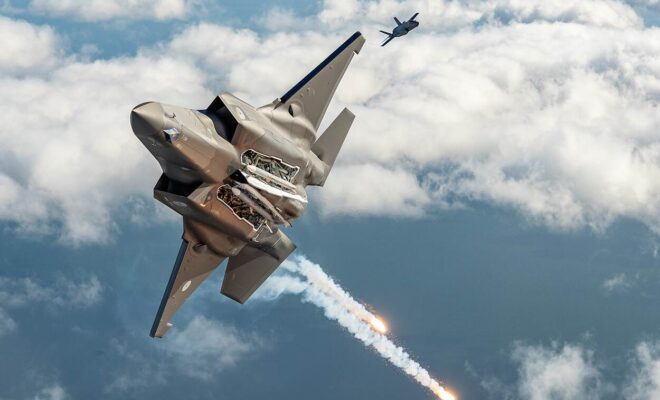
Strikes by the Israeli Air Force against ballistic missile launch sites and air-defense systems continue across Iran. pic.twitter.com/dEKJ3neNio
— OSINTdefender (@sentdefender) March 1, 2026
While celebrations erupted over Khamenei’s death, Iran now faces the real prospect of a power vacuum.
Iranians dance, celebrate, and cheer on the streets of Karaj in Northern Iran tonight, following reports that Iran’s Supreme Leader Ayatollah Ali Khamenei was killed in an Israeli strike earlier today on Tehran. pic.twitter.com/wM276e7WB0
— OSINTdefender (@sentdefender) February 28, 2026
#Breaking: Security forces of #Iran’s Islamic regime are murdering people of #Iran who are celebrating the elimination of dictator Khamenei tonight. This video recorded in the city of #Sabzevar shows special police units and #Basij paramilitary forces of the #IRGC terrorist… pic.twitter.com/yK61KaDCXR
— Babak Taghvaee – The Crisis Watch (@BabakTaghvaee1) March 1, 2026
Under its theocratic system, the supreme leader holds ultimate authority over the military, political, and religious institutions. A sudden succession fight could introduce unpredictability in both domestic governance and foreign policy.
Iran confirms it: Khamenei is dead. It’s not clear that it makes a difference. But it might. Khamenei was a malign, conservative influence on Iran (so much worse than Ayatollah Montazeri, who had been slated to succeed Khomeini) and some younger figures may be more open to…
— Nicholas Kristof (@NickKristof) March 1, 2026
This is a breaking news story. Please check back for updates.
READ NEXT: Country On The Brink? Notorious Figure’s Shadow Threatens Dangerous New Era