


The Trump administration is preparing a potential economic agreement with Cuba that could mark a significant shift in decades of strained relations, according to a report by USA Today.
Two sources familiar with the discussions told the newspaper that administration officials are close to announcing a deal with the Cuban government, though the timing and final terms remain unclear.
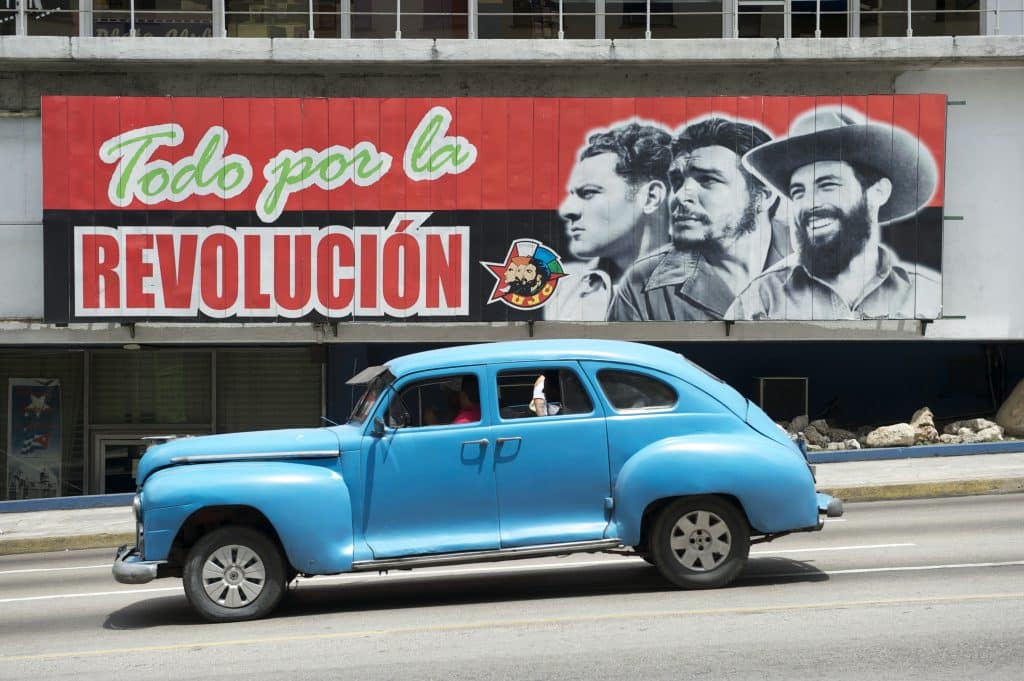
If finalized, the agreement could include easing restrictions on Americans traveling to Havana and expanding economic cooperation between the two countries. Officials have also discussed partnerships in areas such as ports, energy development and tourism, along with the possibility of lifting some U.S. sanctions on the island.
The potential deal represents an unexpected turn in U.S. strategy toward Cuba. In recent months, Washington has sharply increased pressure on Havana as part of a broader regional campaign following the U.S. capture of Venezuelan leader Nicolás Maduro and the cutoff of Venezuelan oil shipments that had long helped sustain Cuba’s economy.
According to the report, discussions have included the possibility of a political off-ramp for Cuba’s leadership. One scenario under consideration would allow Cuban President Miguel Díaz-Canel and members of the Castro family to remain on the island while the country moves toward closer economic ties with the United States.
Another component of the proposed arrangement would relax restrictions on American travel to Havana — a step the White House could take without congressional approval. Such changes could revive tourism and investment in Cuba’s struggling economy while opening new opportunities for U.S. businesses.
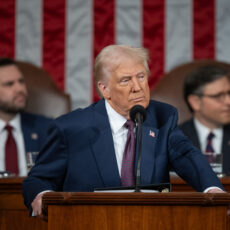
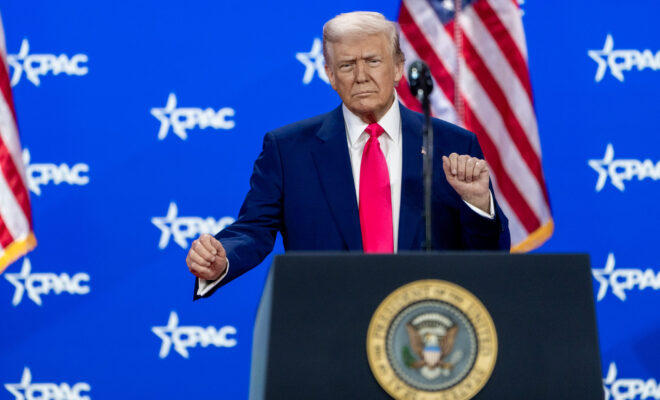
President Donald Trump has hinted publicly that negotiations may be underway. Speaking to Latin American leaders at the Shield of the Americas Summit in Florida on Saturday, Trump suggested Cuba’s worsening economic situation has made its government more willing to negotiate.
“Cuba’s at the end of the line. They’re very much at the end of the line. They have no money. They have no oil,” Trump said.
He also confirmed that Secretary of State Marco Rubio has been engaged in discussions with Cuban officials.
“They want to make a deal so badly,” Trump said, adding that he believes an agreement could come together quickly. “I would think a deal would be made very easily with Cuba.”
Any agreement would represent the latest twist in the long and often volatile relationship between the United States and Cuba. Washington has maintained an economic embargo against the island for more than six decades, though U.S. policy has shifted over time. Former President Barack Obama moved to normalize relations and expand travel and trade in 2014, while Trump later rolled back many of those changes during his first term.
Whether the current talks produce a formal agreement remains uncertain. But the possibility of a deal underscores how rapidly the political and economic landscape in the Caribbean has shifted following the upheaval in Venezuela and the mounting crisis inside Cuba.
READ NEXT: Years After Texas Election Data Probe, Key Questions Remain