
Good Morning.
From a partial reversal on immigration policy to a rare and personal legal battle involving a former senator, and a new congressional probe into political funding networks, the day’s headlines reflect a country navigating complex questions of accountability, influence, and control.
A Selective Reopening of the Asylum System
After months of near-total shutdown, the American asylum system is beginning to reopen—but not evenly.
The Trump administration has lifted a sweeping pause on asylum applications that had frozen hundreds of thousands of cases since late last year. The halt followed a deadly shooting in Washington, D.C., allegedly involving an asylum recipient, and marked one of the most dramatic interruptions of the legal immigration pipeline in recent history.
Now, officials say applications will resume for individuals from what the administration considers “non high-risk” countries. But the restrictions remain firmly in place for nationals of 39 countries, including Afghanistan, Iran, Cuba, Haiti, and Venezuela—all subject to expanded travel limitations.
The Department of Homeland Security framed the decision as a recalibration rather than a retreat, emphasizing a renewed focus on national security vetting. At the same time, other immigration benefits—like work permits and green cards—remain suspended for those from restricted nations.
Supporters argue the policy targets fraud and security risks. Critics counter that it continues to block legal pathways for vulnerable populations. For now, the asylum system is back in motion—but only for some.
A Rare Lawsuit Targets a Former Senator
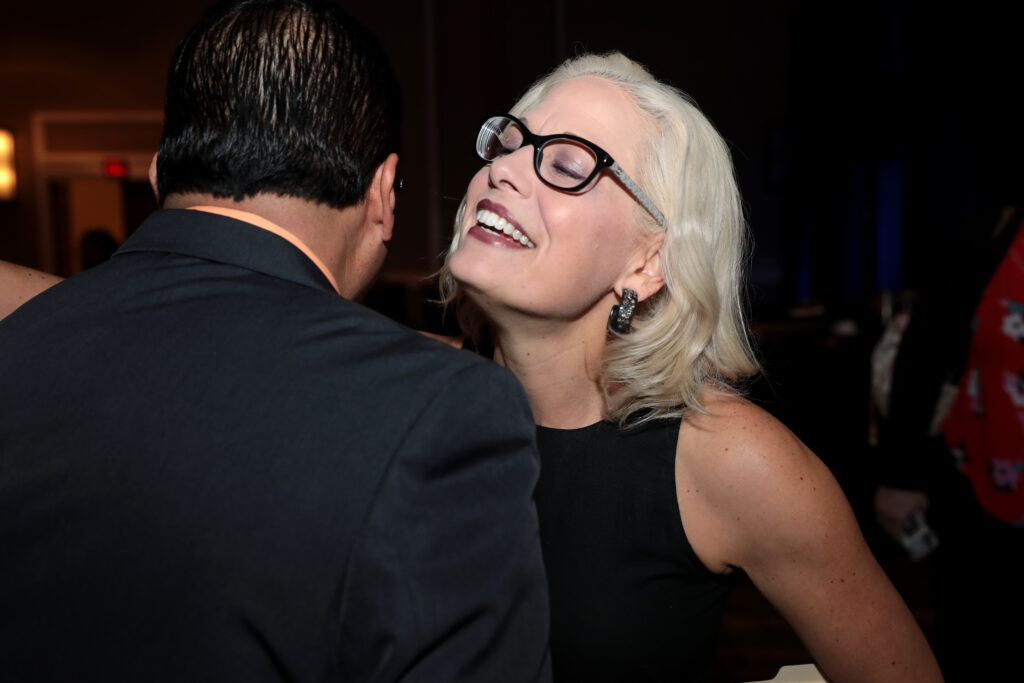
In an unusual and deeply personal legal case, former Senator Kyrsten Sinema is facing a lawsuit that reaches back to a legal doctrine from another era.
Filed in North Carolina, the complaint accuses Sinema of “alienation of affection”—a claim that alleges she interfered in and ultimately helped end a marriage between her former bodyguard and his estranged wife. The suit seeks $25,000 in damages.
The case outlines a detailed timeline, describing how a professional relationship evolved into a romantic one, supported by alleged private messages and shared trips. According to the filing, the relationship began before the couple’s formal separation, a key point in such claims.
Though rare today, these lawsuits can carry significant consequences if proven. Courts have, in past cases, awarded millions in damages under similar claims.
Sinema does not deny the relationship but is challenging the case on jurisdictional grounds, arguing the events in question occurred outside North Carolina. The case now moves forward as a modern test of an old law—where personal relationships intersect with public figures and legal precedent.
Congress Probes “Dark Money” and Influencer Networks
On Capitol Hill, a new investigation is zeroing in on the opaque world of political funding and online influence.
The House Oversight Committee, led by Chairman James Comer, has launched a probe into several major liberal organizations, including the Sixteen Thirty Fund and Arabella Advisors (now operating as Sunflower Services). At issue is whether these groups have worked to bypass federal campaign finance disclosure rules.
Central to the inquiry is a program known as “Chorus,” which allegedly pays online influencers thousands of dollars per month to promote political messaging—while requiring strict confidentiality agreements.
Investigators point to what they describe as a suspicious restructuring of the program shortly after the committee began asking questions, including the rapid creation of a new entity called Creator Collective. Lawmakers argue the move may have been designed to obscure oversight and shield internal operations.
The committee is also examining whether influencers involved in the program violated agreements stating they would not explicitly advocate for political candidates, despite evidence suggesting otherwise.
At stake is a broader question about transparency in modern political campaigns—where traditional advertising is increasingly supplemented, or replaced, by decentralized digital voices.
READ NEXT: Kyrsten Sinema Acknowledges Relationship With Married Bodyguard In Court Filing