










Good morning. Today’s stories move from a tense hostage situation in Iraq to deepening divisions over foreign policy—and a familiar political figure hinting at a return.
Kidnapped American Journalist’s Expected To Be Released
An American journalist abducted in Baghdad may soon be released—but only under strict conditions set by her captors.
Shelly Kittleson, a veteran reporter with years of experience covering conflict in Iraq and Syria, is expected to be freed by an Iranian-backed militia days after her kidnapping. The group, widely believed to be Kataib Hezbollah, announced the decision in a message on Telegram, stating she must immediately leave the country upon release.
The kidnapping triggered swift concern among American officials and press freedom advocates, particularly given the militia’s ties to Iran and its history of targeting American interests.
Alex Plitsas, who identified himself as Kittleson’s American point of contact, described her as an experienced and respected journalist with deep roots in the region.
While the announcement suggests a rapid resolution, key details remain unclear—including when she will be released and in what condition. The situation underscores growing risks for Americans operating in Iraq amid escalating tensions involving the United States, Israel, and Iran.
Tucker Carlson Breaks with Donald Trump Over Iran Escalation
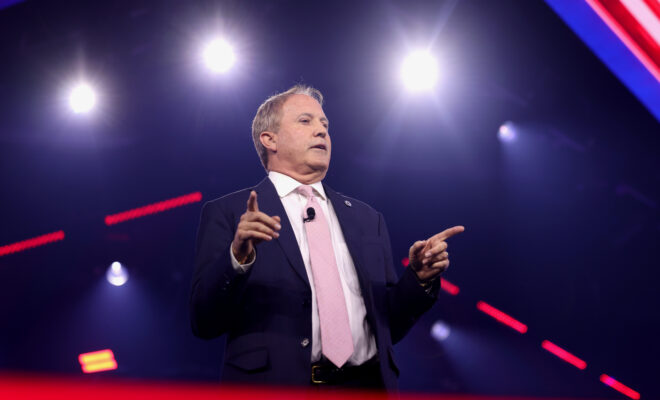
A public split is deepening within conservative circles as Tucker Carlson urges American officials to resist certain military orders tied to rising tensions with Iran.
Speaking on his podcast, Carlson warned that officials have a duty to refuse commands that could lead to large-scale civilian casualties—specifically raising alarm about the potential use of nuclear weapons. He called on those close to the president to “say no” and even resign if necessary.
The White House quickly denied that nuclear options are under consideration. Trump himself dismissed Carlson’s remarks, highlighting an increasingly visible divide between the former allies.
The disagreement reflects a broader debate within the Republican base over foreign policy, particularly as the Iran War intensifies. Carlson, once a strong supporter of Trump, is critical of American involvement abroad, calling the current trajectory dangerous and unnecessary.
As tensions rise, the clash signals deeper questions about how far the United States should go—and who ultimately decides.
Glenn Youngkin Hints at Political Comeback
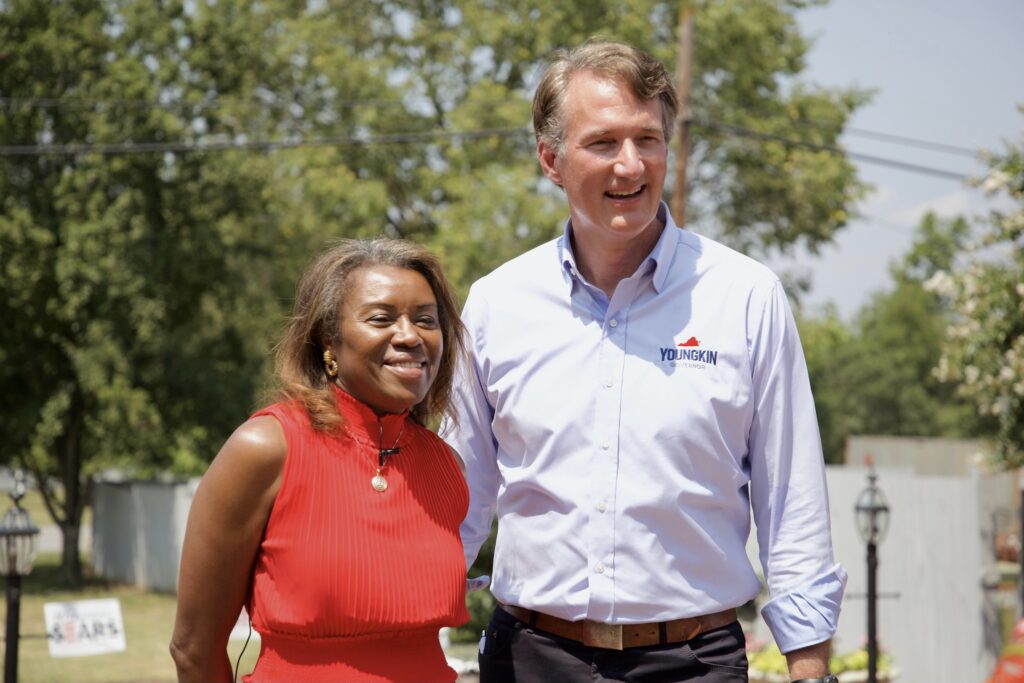
Former Virginia Governor Glenn Youngkin is signaling he may not be done with politics just yet.
In a recent podcast appearance, Youngkin reflected on his time in office with enthusiasm, describing it as the most purposeful period of his life and suggesting he still has more to contribute.
Elected in 2021 after defeating Terry McAuliffe, Youngkin’s victory was seen as a turning point in suburban voter trends and quickly elevated him to national prominence. His term focused on education policy, tax cuts, and public safety.
After leaving office earlier this year following the election of Abigail Spanberger, Youngkin says the transition has been abrupt.
Though he has not outlined specific plans, his comments are likely to fuel speculation about a return—whether at the state or national level—as Republicans look ahead to future elections.
READ NEXT: 1619 Project Author Attacks Youngkin’s Curriculum Proposals















Carlson … do you realize that your remarks do not border on treason. They ARE treasonous.
To tell people to disregard the commands of the President of these United States ( the Senior Military Commander of the U.S. ) is absolutely an act of treason.
It is found within the law books of this country.
We, as Americans, can complain and take the order into court AFTER THE FACT.
But the order, unless it is counter to our Constitution, must be acted on in the manner proscribed by law.
Look it up!