


The United Arab Emirates announced Tuesday it will withdraw from the Organization of the Petroleum Exporting Countries (OPEC) and its allied group OPEC+, marking a major shift in global energy dynamics as oil markets face heightened volatility.
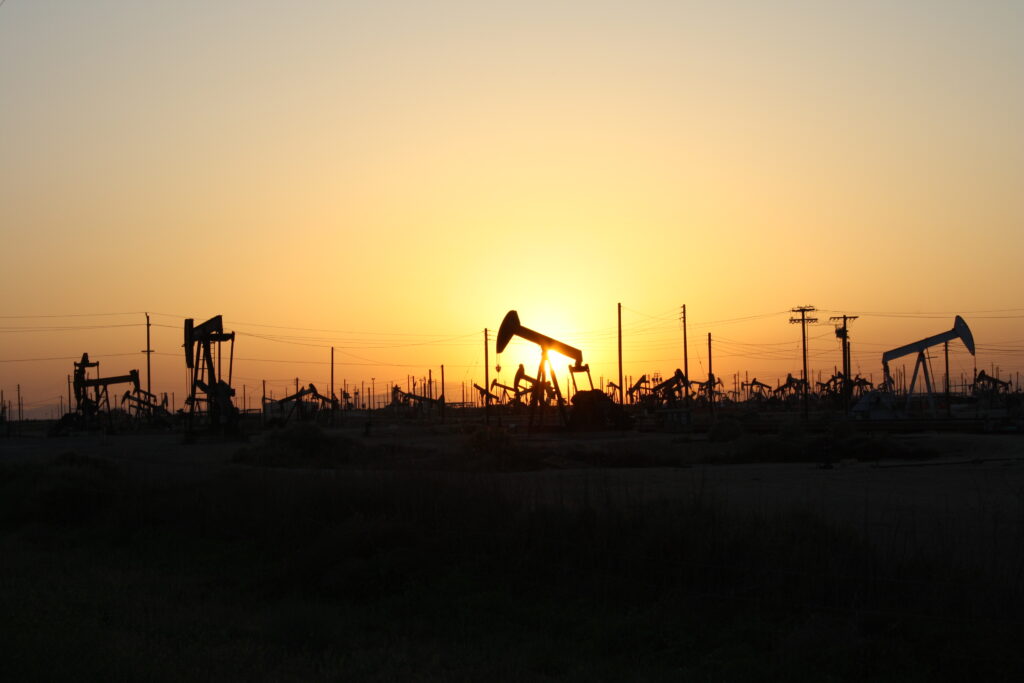
The decision comes amid broader instability in the Gulf tied to the ongoing Iran war, which has contributed to one of the most severe oil shocks in recent history. U.S. crude prices surged nearly 4% on the news, climbing above $100 per barrel.
In a statement shared by Fox Business, the UAE said the move reflects its “long-term strategic and economic vision” and evolving energy profile, including increased investment in domestic production. Officials emphasized that leaving OPEC will allow the country to operate with greater flexibility as it looks to expand its role in global energy markets.
Energy Minister Suhail al-Mazrouei described the withdrawal as a “sovereign national decision” following a careful review of the country’s long-term priorities. He said exiting the group will free the UAE from production quotas, enabling it to better respond to rising global demand and contribute to supply stability.
OPEC, led by Saudi Arabia, currently accounts for roughly 30% of global crude output, producing about 28 million barrels per day. The UAE contributes approximately 3 million barrels daily, making it one of the group’s key producers.
The departure could reshape production strategies within the cartel and beyond, as the UAE positions itself to increase output and expand across oil, gas, and petrochemical markets at a time of tightening supply and growing demand worldwide.
This is a breaking news story. Please check back for updates.
READ NEXT: Missing GOP Congressman Says He’s Dealing With Medical Issue