



Veteran Democratic strategist James Carville is once again urging his party to recalibrate its messaging, cautioning that embracing far-left rhetoric could hurt Democrats in upcoming elections, including the 2026 midterms.
Speaking on his podcast alongside co-host Al Hunt, Carville argued that Democrats risk repeating mistakes from recent election cycles if they lean too heavily into policies and messaging that alienate moderate and working-class voters.
A Warning Rooted in Recent Elections
Carville has consistently criticized an overemphasis on identity politics and progressive social agendas, particularly in the aftermath of the 2024 election. On the podcast, he reiterated that such approaches can create openings for Republican opponents by distancing key voter groups.
One issue highlighted during the discussion was immigration enforcement. Hunt pointed to Democratic congressional candidate Bobby Pulido, who has advocated reforming Immigration and Customs Enforcement rather than abolishing it.
Carville agreed with that stance, warning that calls to abolish the agency could become a political liability similar to past calls to abolish the police. He suggested that messaging perceived as too extreme may be used effectively by opponents to sway undecided voters.
Messaging and Voter Perception
Pulido’s broader comments on economic identity also drew praise from both hosts. He argued that many Latino voters see themselves not as permanently poor but as temporarily struggling, with aspirations for upward mobility.
Carville indicated that this kind of framing resonates more effectively with voters than language that he believes can come across as patronizing or out of touch.
Praise for Party Veterans, Criticism of Progressives
During the discussion, Carville and Hunt also reflected on the legacy of Barney Frank, praising his approach to policymaking. Carville characterized Frank’s philosophy as focused on achievable goals and incremental progress rather than sweeping ideological shifts.
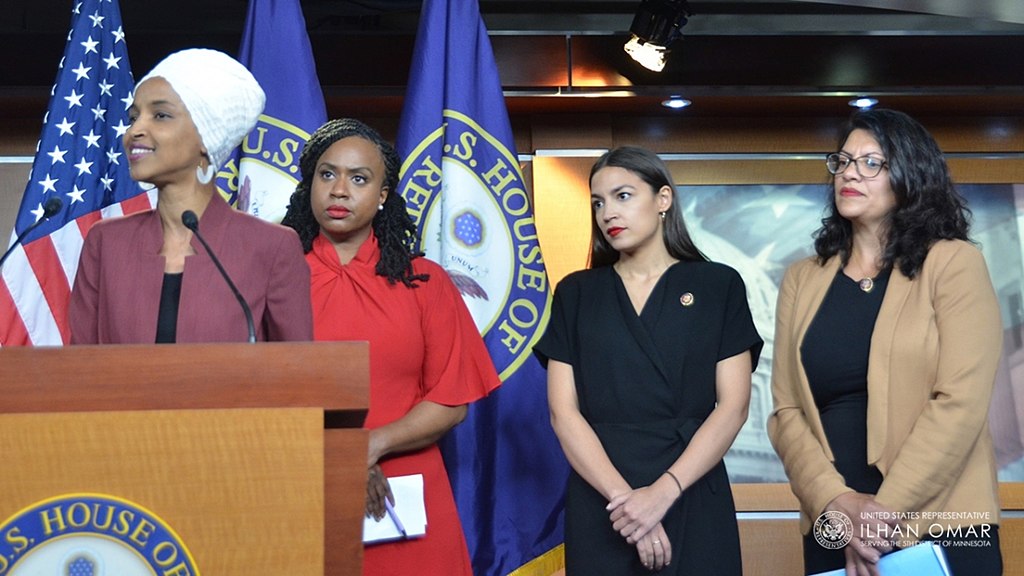
In contrast, Carville criticized some progressive groups, including the Working Families Party, arguing that their priorities and messaging do not align with the broader electorate.
Ongoing Debate Within the Party
Carville’s comments highlight a continuing divide within the Democratic Party over strategy and messaging. While some members advocate for drastic progressive policies, others argue that a more moderate approach is necessary to win competitive races.
As Democrats prepare for future elections, the tension between these factions is likely to remain a central issue. Carville’s warning reflects a broader concern among some party veterans that electoral success will depend on appealing to a wide coalition of voters rather than advancing positions that may energize the base but risk alienating the middle.
READ NEXT: James Carville Admits ‘Lapse in Stupidity’ During Kamala Harris’s Failed Campaign