







A growing number of Americans are expressing opposition to the rapid expansion of artificial intelligence data centers in their communities, according to newly released Gallup polling that highlights rising concerns over energy use, water consumption, pollution and local quality of life.
The Gallup survey, released Wednesday, found that roughly 70% of Americans oppose the construction of AI data centers near their homes. Nearly half of respondents — 48% — said they are “strongly opposed,” while only 7% said they are “strongly in favor” of such projects.
The findings arrive as the AI industry pours billions of dollars into infrastructure needed to support increasingly powerful artificial intelligence systems. Data centers, which house the servers and computing equipment that power AI models, have become one of the fastest-growing sectors of industrial development in the United States.
Among those opposed to AI data centers, Gallup found that resource consumption was the most frequently cited concern. Eighteen percent of respondents pointed specifically to water usage, while another 18% cited the facilities’ heavy energy demands.
Environmental concerns also featured prominently in the survey. Sixteen percent of opponents referenced worries about pollution linked to data centers, including air pollution, water pollution and noise.
Others voiced fears about how large-scale industrial projects could reshape their neighborhoods. About one in five respondents who opposed the developments said they were concerned about worsening traffic, population growth and the potential loss of land that could otherwise be used for housing, parks or other community-oriented purposes.
Public resistance to data centers has intensified in several regions across the country as AI companies race to expand computing capacity. Industry demand has surged alongside the explosive growth of generative AI technologies, leading developers to pursue massive new projects requiring significant electricity and water resources.
The number of data centers in the United States more than doubled between 2018 and 2021, according to the Lincoln Institute of Land Policy, reflecting the broader acceleration of cloud computing and artificial intelligence infrastructure.
That growth is expected to continue at a historic pace. CNBC reported Saturday that global spending on AI data center construction could exceed $7 trillion by 2030.
Virginia remains the nation’s largest hub for data centers and is often referred to as “the data center capital of the world.” Texas and California rank behind Virginia in total facilities, according to estimates from the World Resources Institute. The organization estimates that the top 10 states account for approximately 60% of all data centers nationwide.
Recent incidents have also intensified scrutiny of the industry’s resource demands. Politico reported Saturday that a data center campus in north-central Georgia consumed more than 29 million gallons of water before the local utility recognized the scale of usage. The consumption reportedly contributed to low water pressure in the surrounding community.
As the AI industry continues expanding, the Gallup data suggests that local opposition could become a major political and regulatory challenge for future infrastructure projects. Communities across the country are increasingly weighing the economic benefits of AI investment against concerns about sustainability, environmental impact and the strain on public resources.
READ NEXT: The War On Data Centers: Grassroots Revolt Or Something Else?






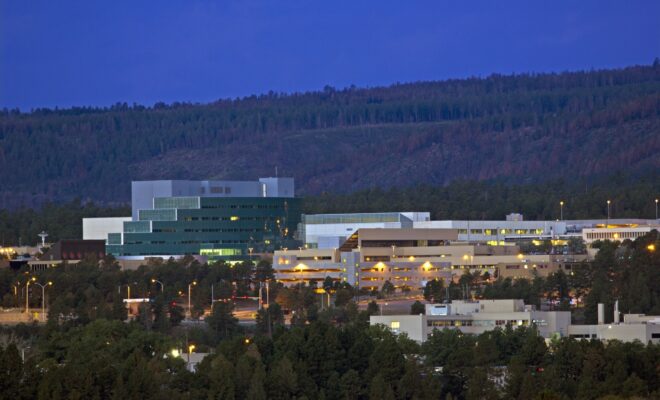

















No, I don’t want an AI center around here, but then again, we live in the woods and rely on our well for water.
And we’re located on the side of a mountain which wouldn’t be good for such a building.
The closest town is a few miles away and has about 557 people in it.
Also, the local woods animals wouldn’t be at all happy with that situation.