




MSNBC host Rachel Maddow publicly invited former 60 Minutes correspondent Scott Pelley to join her network this week, using his abrupt departure from CBS News to launch a broader attack on what she described as political pressure being exerted on American media organizations.
Speaking during a panel discussion on MS NOW, Maddow suggested that Pelley would be welcome at MSNBC following his high-profile exit from CBS.
“I don’t know where Scott Pelley will land,” Maddow said. “Frankly, I hope he lands right here.”
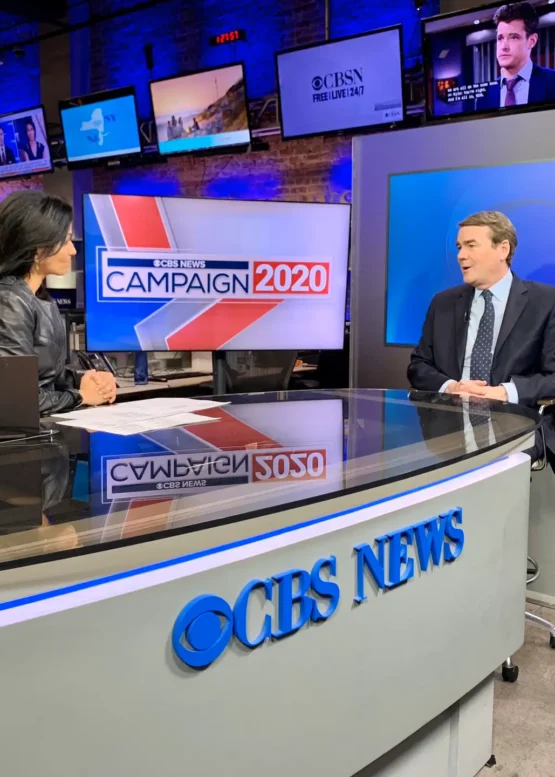
The comments came after Pelley left CBS News following a bitter internal dispute involving the network’s new leadership team, including editor-in-chief Bari Weiss and recently appointed 60 Minutes executive producer Nick Bilton.
Maddow portrayed Pelley’s departure as part of a larger battle for press freedom, arguing that media organizations face increasing political pressure from powerful interests.
“There’s nobody who is more acutely attuned to the value of a free press than those who are trying to take it away,” Maddow said during the broadcast.
She went on to claim that recent developments at CBS reflected an effort to reshape news coverage in ways that are more favorable to President Donald Trump and his administration.
Throughout the segment, Maddow repeatedly characterized the turmoil at CBS as an example of what she called an “oligarchic” effort to influence journalism.
“I made a crack there talking about the Scott Pelley news as being sort of Hungarian oligarchic-style takeover of the media,” Maddow said. “And I mean that sort of as a joke, but also sort of deadly serious.”
Pelley’s departure followed a tense all-staff meeting Monday in which he reportedly criticized Bilton and Weiss directly. According to reports, Pelley accused Weiss of “murdering” the storied 60 Minutes franchise and told Bilton that he possessed only “slender qualifications” for the role, referencing Bilton’s lack of traditional network television experience.
The confrontation appears to have been the culmination of months of growing tension inside CBS News as the company undergoes significant changes under Paramount and Skydance leadership.
In a statement released after his departure, Pelley accused Paramount CEO David Ellison of compromising the network’s journalistic mission.
“The leadership of 60 Minutes is no longer recognizable,” Pelley wrote. “The principles I hold dear are gone, and so I must leave as well.”
He also charged that company leadership had damaged CBS News’ reputation “to curry a moment of favor with the Trump administration.”
Many have challenged those accusations, arguing that the network has long struggled with allegations of political bias and declining public trust. They contend that efforts to broaden editorial perspectives and restore credibility are being portrayed by critics as censorship simply because they challenge existing newsroom culture.
Critics of Pelley and other departing journalists note that many of the same figures now warning of editorial interference spent years dismissing concerns from viewers who believed major news organizations had developed clear ideological leanings. They argue that declining ratings, shrinking audiences, and multiple rounds of layoffs across the news industry suggest many Americans had already lost confidence in traditional media long before the current leadership changes.
The dispute at CBS has therefore evolved into more than an internal personnel battle. It has become a proxy fight over the future direction of American journalism, with one side warning of political influence and censorship while the other argues that longstanding institutional biases are finally being challenged.
Maddow’s invitation to Pelley appeared more symbolic than formal. As the shakeup continues, the battle over 60 Minutes and CBS News will be followed closely, reflecting larger questions about trust, bias, editorial independence, and the future of legacy journalism.
READ NEXT: CBS News Correspondent Announces Sudden Departure