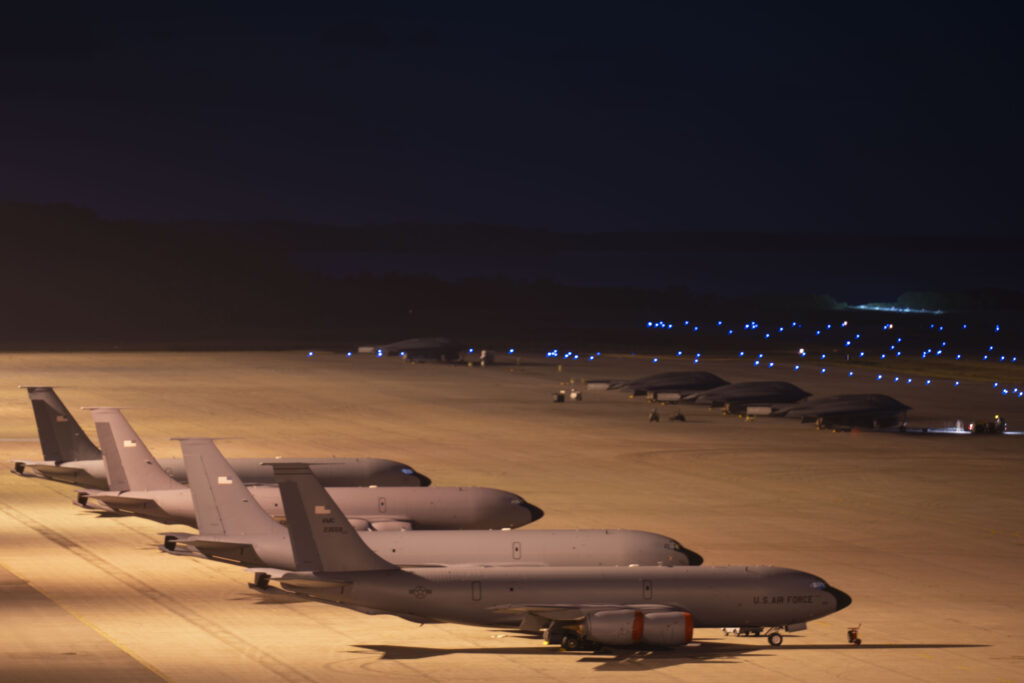
The Trump administration is considering an unusual proposal that would place the United States in direct control of one of its most important overseas military outposts: purchasing the Chagos Islands from Mauritius.
According to a report from The Guardian, the idea is one of several options being reviewed as the White House looks for a long-term solution to protect the future of Diego Garcia, a joint U.S.-British military base located on the largest island in the remote Indian Ocean archipelago.
While the proposal is not believed to be the administration’s preferred course of action, its mere consideration highlights growing concern in Washington over the uncertain future of the islands and the strategic military installation they host.
A strategic asset at the center of the Indian Ocean
For decades, Diego Garcia has been one of the most valuable pieces of real estate in the U.S. military’s global network.
The base sits near the center of the Indian Ocean and includes a major airfield capable of supporting long-range bombers, extensive fuel storage facilities, and a deep-water port. Its location allows American forces to project power across the Middle East, East Africa, and large portions of Asia without relying on less secure regional facilities.
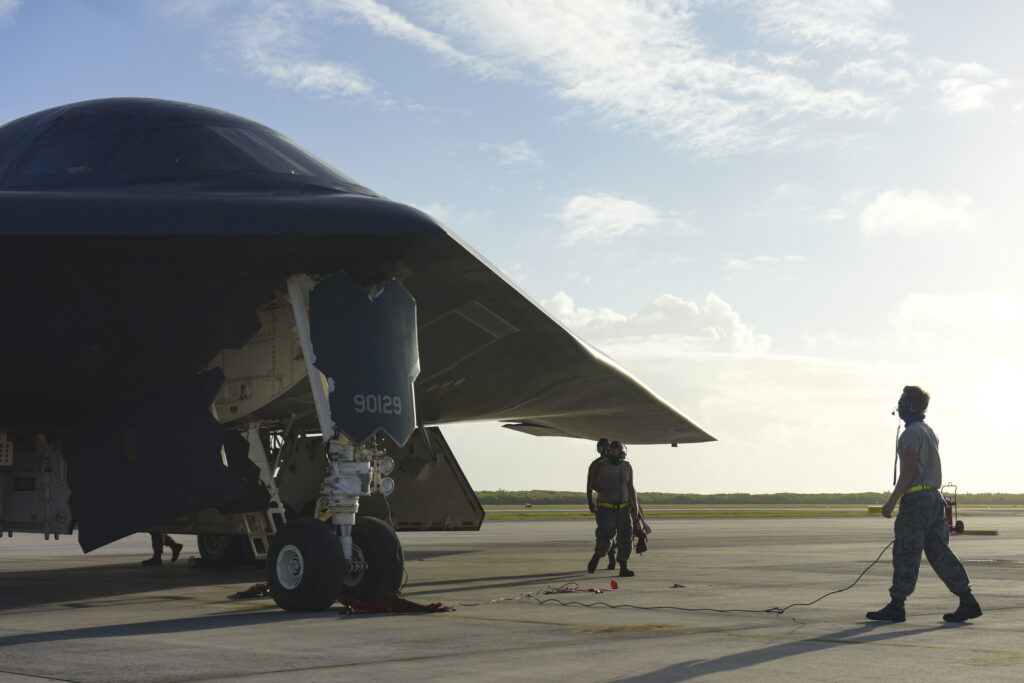
Diego Garcia played critical roles during the Persian Gulf War, the War in Afghanistan, and the Iraq War. Military planners also view it as increasingly important as tensions with Iran persist and China’s naval footprint continues to expand throughout the Indo-Pacific.
A U.S. official told The Guardian that Washington and London remain committed to preserving “the viability of Diego Garcia as a regional security platform.”
White House explores alternatives
The purchase proposal reportedly emerged during discussions between U.S. and British officials over the future of the islands. The idea was raised with Treasury Secretary Scott Bessent, who later brought it to President Donald Trump.
No potential purchase price has been disclosed, and administration officials have not publicly endorsed the concept.
Still, the fact that it reached the president’s desk signals how seriously the administration views the issue.
The White House has been searching for ways to ensure that ongoing sovereignty disputes do not jeopardize access to a military installation that many defense officials consider irreplaceable.
Britain’s deal with Mauritius faces growing resistance
At the center of the debate is a 2025 agreement between Britain and Mauritius.
Under the arrangement signed in May 2025, Britain would transfer sovereignty of the Chagos Islands to Mauritius while allowing the United Kingdom and the United States to continue operating Diego Garcia under a 99-year lease. The agreement was expected to cost Britain roughly £101 million per year on average.
Initially, Trump appeared willing to allow the deal to proceed. That position later changed dramatically.
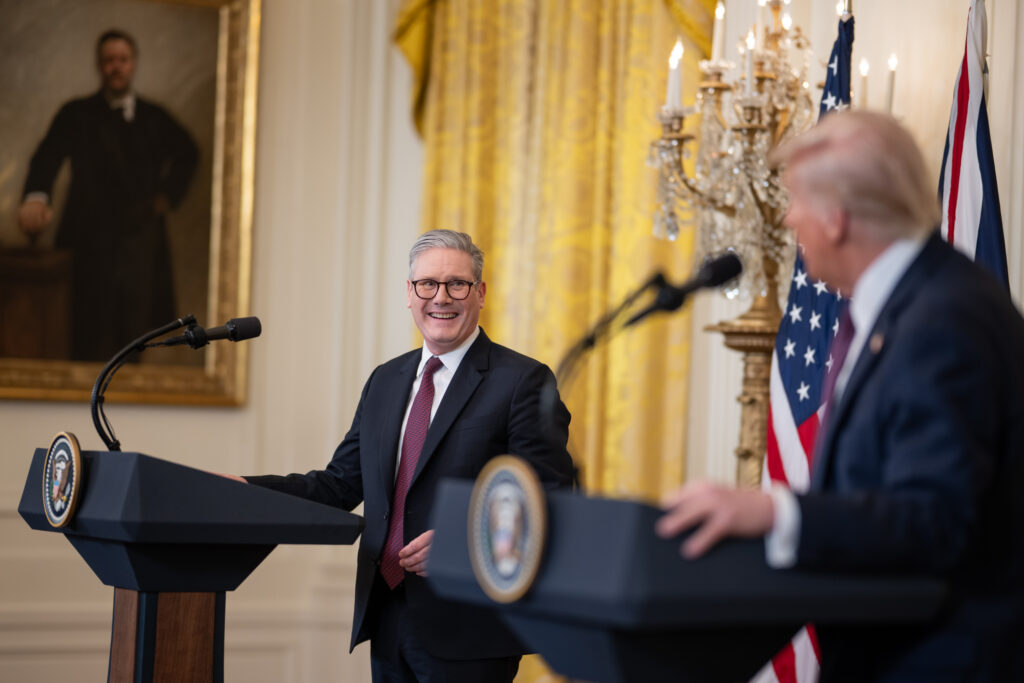
The president publicly condemned Britain’s decision to relinquish sovereignty, calling it an “act of GREAT STUPIDITY” and an “act of total weakness.”
In April, the British government placed the agreement on hold after the Trump administration withdrew its support. Because the deal also requires changes to the longstanding U.S.-British framework governing Diego Garcia, Washington retains significant influence over whether the transfer ultimately moves forward.
A decades-long sovereignty dispute
Mauritius has claimed ownership of the Chagos Islands for decades.
The dispute dates back to the years before Mauritian independence in 1968, when Britain separated the archipelago from the colony. Mauritian leaders have long argued that the move was improper and that the islands should be returned.
That position has received substantial international backing. The United Nations and several international courts have supported Mauritius’ claim to sovereignty.
For the Trump administration, however, the legal dispute is only part of the equation.
The more immediate concern is ensuring that a change in sovereignty does not create future political, legal, or operational risks for a military base that remains central to U.S. national security strategy.
A broader Trump approach to territory and security
A direct American purchase of the Chagos Islands would be an extraordinary move, particularly given the long history of British administration and the international attention surrounding the sovereignty dispute.
But it would also fit a broader pattern in Trump’s approach to national security and geopolitics.
The president has repeatedly shown a willingness to discuss territorial acquisitions and unconventional arrangements when he believes they serve American strategic interests. In the administration’s view, Diego Garcia is not simply another overseas base. It is one of the few locations from which the United States can reliably project military power across multiple regions while remaining largely insulated from local political instability.
Whether the proposal gains traction remains unclear. It appears to be one option among several under review.
Even so, the fact that the White House is considering buying an island chain halfway around the world underscores how valuable Diego Garcia has become in an era of rising competition with China, persistent instability in the Middle East, and growing concerns about maintaining America’s military reach.
READ NEXT: The Billion-Dollar Business Of AI Panic