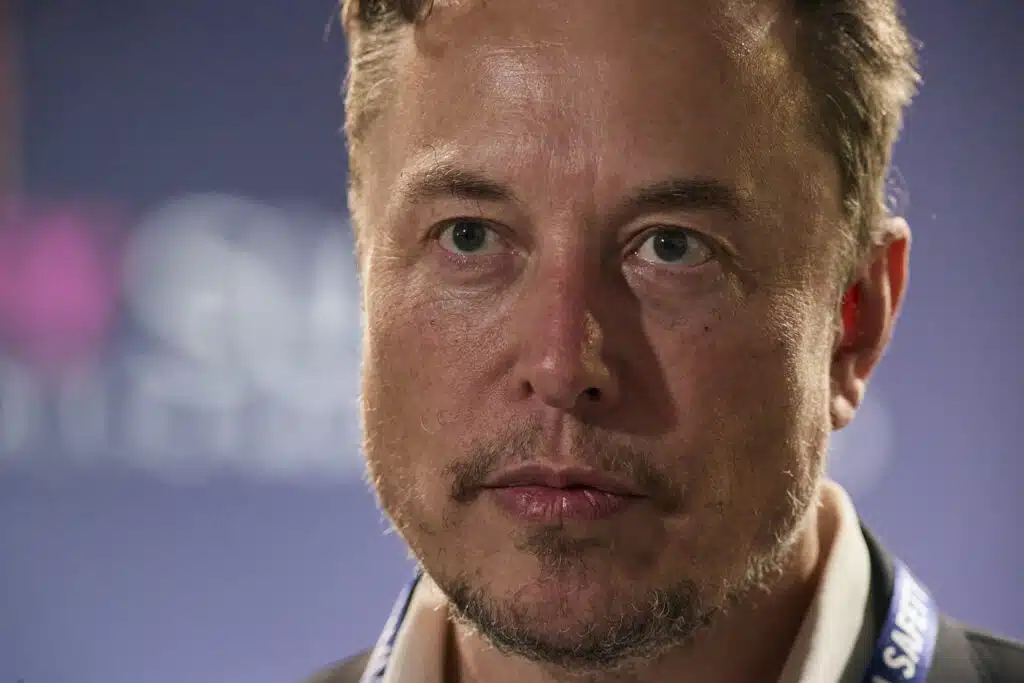
Iranian state media is threatening to treat Elon Musk’s companies across the Middle East as military targets, escalating tensions after President Donald Trump vowed new military action against the Islamic Republic.
According to Iran’s state-affiliated Fars News Agency, Tehran now considers “all interests related to economic holdings managed by Elon Musk in West Asia” to be legitimate targets, including facilities connected to SpaceX’s Starlink satellite internet network.
The threat was first highlighted Thursday by CNBC, which reported that Fars cited an “informed source” claiming Iran believes Musk-linked companies have aided U.S. military operations against the regime.
“The Islamic Republic of Iran reserves the right to attack all facilities related to [Musk]-managed holdings in the region and occupied territories,” the source told Fars, according to a translation of the report.
Iran specifically identified Starlink infrastructure as a potential target. Tehran has long accused the satellite internet service of helping undermine government control over communications inside Iran, where authorities have repeatedly imposed internet blackouts during periods of unrest.
The latest warning comes after months of increasingly hostile rhetoric from Iranian officials toward American technology companies. Iranian state media previously identified Starlink as a “legitimate target” and has also threatened major U.S. firms including Google, Microsoft, Apple, Nvidia, and other technology providers it claims support American military or intelligence operations.
Iran Claims Musk Companies Supported U.S. Military Operations
Fars alleged that Starlink has played a role in U.S. military operations against Iran, claiming the satellite network has supported communications for drones, surveillance systems, and unmanned strike platforms.
Recent reporting has highlighted controversy surrounding the military use of Starlink-related technology. Ars Technica reported last month that SpaceX and Pentagon officials disputed the use of Starlink-linked satellite communications on U.S. military drones operating in the region, though SpaceX maintains Starlink is intended for civilian use while government operations are handled through the separate Starshield network.
Iranian officials have increasingly blurred that distinction, arguing that Musk-controlled companies are effectively supporting American military activities.
Trump Threatens New Strikes “Tonight”
The Iranian threat emerged just hours after Trump dramatically escalated his rhetoric against Tehran.
In a post on Truth Social Thursday morning, Trump warned that the United States would hit Iran “VERY HARD TONIGHT” and suggested America would eventually seize control of Kharg Island, the strategic oil-export hub that handles roughly 90 percent of Iran’s crude exports. (RELATED: Trump Says US Will Be ‘Taking Kharg Island’)
“At some point in the not too distant future, we will be taking Kharg Island and other oil infrastructure points, and assume total control of their oil and gas markets,” Trump wrote.
Trump later reiterated the threat during a Fox News interview, while signaling he was still weighing military options.
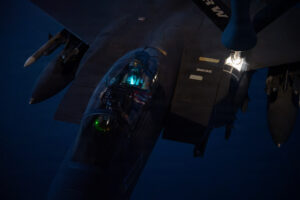
The president’s comments followed several days of military exchanges between U.S. and Iranian forces. Trump has accused Iran of shooting down a U.S. Army helicopter earlier this week, prompting a series of American retaliatory strikes.
“We dropped $250 million worth of bombs on them last night,” Trump said during Thursday’s Fox News appearance, according to CNBC.
Conflict Expands Beyond Traditional Military Targets
The latest threat illustrates how the conflict is increasingly spilling beyond conventional military installations and into the technology sector.
Starlink has become a particular focus for Tehran because of its role in providing internet access independent of government-controlled infrastructure. The service was activated in Iran after U.S. sanctions rules were modified to allow technology exports supporting internet freedom inside the country.
Iranian authorities have repeatedly attempted to block or jam Starlink access and have accused the network of assisting opposition groups and foreign adversaries.
With Trump threatening additional strikes and Iranian state media now openly discussing attacks on American-linked commercial infrastructure, the confrontation appears increasingly likely to escalate.
READ NEXT: Preparing For US Military Action Against Cuba’s Regime