President Donald Trump abruptly canceled scheduled military strikes against Iran on Thursday afternoon, announcing on Truth Social that diplomatic discussions have progressed to the highest levels of the Iranian government. Trump indicated that final deal points have been conceptually approved by all key regional and international parties, signaling that a major interim agreement could be finalized and signed shortly.
The sudden de-escalation came just hours after Trump fiercely escalated rhetoric on Thursday morning. In a post earlier that day, he warned that the United States would hit Iran “VERY HARD TONIGHT” and explicitly threatened to seize Kharg Island, Iran’s primary oil export terminal, to assume total control over their oil and gas markets. Trump later walked back the invasion threat in a Fox News interview, admitting he was unsure if the American public had “the stomach” for such a major military expansion.
A Turbulent Week of Military Exchanges
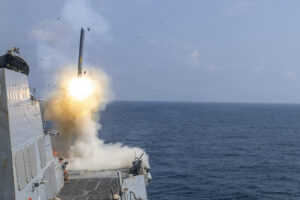
This dramatic shift followed three consecutive days of heavy back-and-forth military strikes. Hostilities intensified rapidly after Iran shot down a U.S. Army Apache helicopter over the Strait of Hormuz on June 9, prompting U.S. Central Command (CENTCOM) to launch immediate “self-defense strikes.”
The ensuing cross-border engagements saw U.S. forces targeting Iranian infrastructure, while Tehran retaliated with drone and missile strikes against regional shipping and neighboring Gulf states housing American bases. Just one day prior, Trump had warned that Iran had “taken too long” to negotiate and would “pay the price,” threatening to target the country’s bridges and power plants.
Negotiators Iron Out Key Details
According to reports from Reuters, Western and Iranian sources confirm that a political understanding has been reached, forcing both sides toward an interim deal due to a perceived military stalemate. However, high-stakes haggling continues over specific technical and financial execution mechanisms.
The primary areas of negotiation include:
- Frozen Assets: Iran is demanding the immediate, direct release of tens of billions of dollars in frozen oil revenues held in foreign banks, while Washington pushes for a phased release strictly allocated for humanitarian goods.
- Maritime Access: The U.S. is demanding guaranteed freedom of navigation and an end to restrictions through the Strait of Hormuz, which Iran effectively closed to marine traffic during the war.
- Nuclear and Regional Demands: The Trump administration is insisting on a signed guarantee that Iran will not develop or acquire nuclear weapons. Meanwhile, Tehran is demanding a lifting of broader sanctions and an end to Israeli military actions against Hezbollah in Lebanon.
Naval Blockade Remains Active
Despite the optimism surrounding the halted airstrikes, the situation remains highly volatile. Trump emphasized that the rigorous U.S. naval blockade enforced against Iranian ports will remain in full effect until the diplomatic transaction is officially finalized.
Furthermore, Iranian state media and regional observers are treating the announcement with caution. The semi-official Tasnim News Agency warned that Trump’s claims should be viewed carefully until an official agreement is formally verified by the Iranian leadership, noting that military options could return if the final stages of the talks collapse.
This is a breaking news story. Please check back for updates.
READ NEXT: Red State Official Admits Finding A Way Around The Law