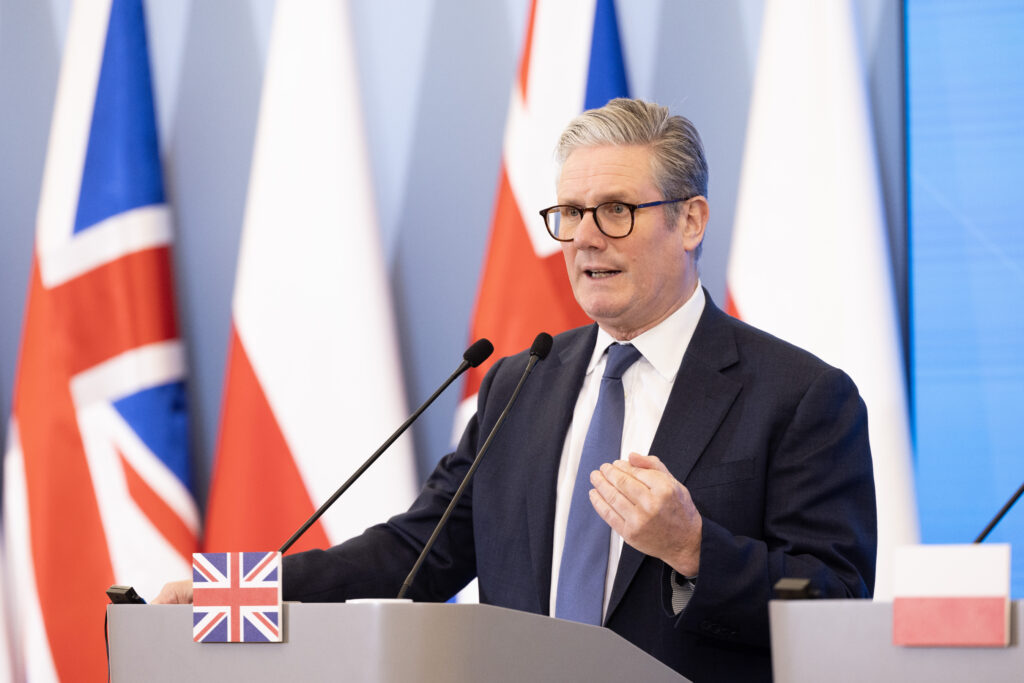
Britain’s ruling Labour Party is proposing new restrictions on social media platforms during election periods, arguing that the country’s election laws have failed to keep pace with the digital age and the spread of “misinformation” online.
Deputy Labour leader Lucy Powell unveiled the proposal during a series of media appearances Sunday, calling for changes through the government’s proposed Representation of the People Bill.
The legislation would extend some of the rules currently governing traditional broadcasters during election campaigns to social media platforms; a change supporters say is necessary to protect election integrity but critics warn could expand government influence over online political speech.
“Millions of people get their news from social media, yet our laws haven’t kept pace,” Powell told LBC Radio.
“The biggest influence on what many voters see during election campaigns is not a TV news bulletin, it’s social media feeds decided by opaque algorithms, where falsehoods, deepfakes and co-ordinated mis and disinformation can spread at alarming speed, with real-world consequence,” she added.
Powell argued that while freedom of expression remains a cornerstone of British democracy, the government has a responsibility to ensure voters have access to accurate information before casting their ballots.
Skepticism towards government-led efforts to police “misinformation” has grown because several of the most high-profile censorship decisions of the past decade later proved to be based on claims that were inaccurate or incomplete.
Perhaps the best-known example came weeks before the 2020 American presidential election, when The New York Post published its reporting on Hunter Biden’s laptop. Twitter, Facebook and Instagram blocked users from sharing the article—including through direct messages—and temporarily suspended the Post’s account.
At the time, many intelligence officials and media outlets cast doubt on the laptop’s authenticity or suggested it bore the hallmarks of a Russian disinformation operation. In the years that followed, however, major news organizations authenticated substantial portions of the laptop’s contents, and federal investigators relied on data from the device during their investigation of Hunter Biden. Former Twitter executives have since acknowledged that suppressing the story was a mistake.
Current election law includes a “purdah” period that requires broadcasters to provide balanced coverage of political parties and prohibits reporting on election issues on polling day until voting has concluded.
Labour’s proposal would represent one of the most significant attempts yet to bring election regulations online.
The announcement comes amid growing tensions between Britain’s Labour government and major social media companies.
Last week, Culture Secretary Lisa Nandy announced she would stop using Elon Musk’s X platform, saying both she and her department would no longer post there.
Nandy argued the platform has changed significantly under Musk’s ownership.
“X was a platform originally designed for free speech and expression,” she said, “now [it] favours abuse and misinformation over meaningful debate.”
She added that the platform “isn’t healthy for our democracy or our communities and I don’t want to support it,” while indicating she would continue using Instagram, Facebook and LinkedIn.
The government’s broader approach has also drawn concern from technology companies.
Over the weekend, YouTube warned British users that proposed regulations could result in independent creators and digital-first publishers being pushed down in recommendation algorithms if platforms are required to prioritize government-approved or “trusted” news organizations.
According to reports, the Labour government is considering rules that would require social media companies to give greater prominence to established news outlets such as the BBC during election periods.
The proposal has generated criticism from opponents who argue it could disadvantage independent journalism while privileging legacy media organizations that have themselves faced repeated accusations of political bias and factual errors.
In a statement, YouTube warned that such requirements could have unintended consequences for online speech and media diversity.
The debate reflects a broader trend across Europe, where governments have increasingly sought to regulate online platforms.
Critics contend that giving governments greater authority to determine which information is sufficiently “trusted” or “accurate” risks suppressing legitimate political dissent and independent journalism. They also question whether legacy media organizations should receive preferential treatment over newer digital outlets, particularly given ongoing public debates over bias in publicly funded broadcasters such as the BBC.
READ NEXT: California Legislature Passes Social Media Censorship Bill