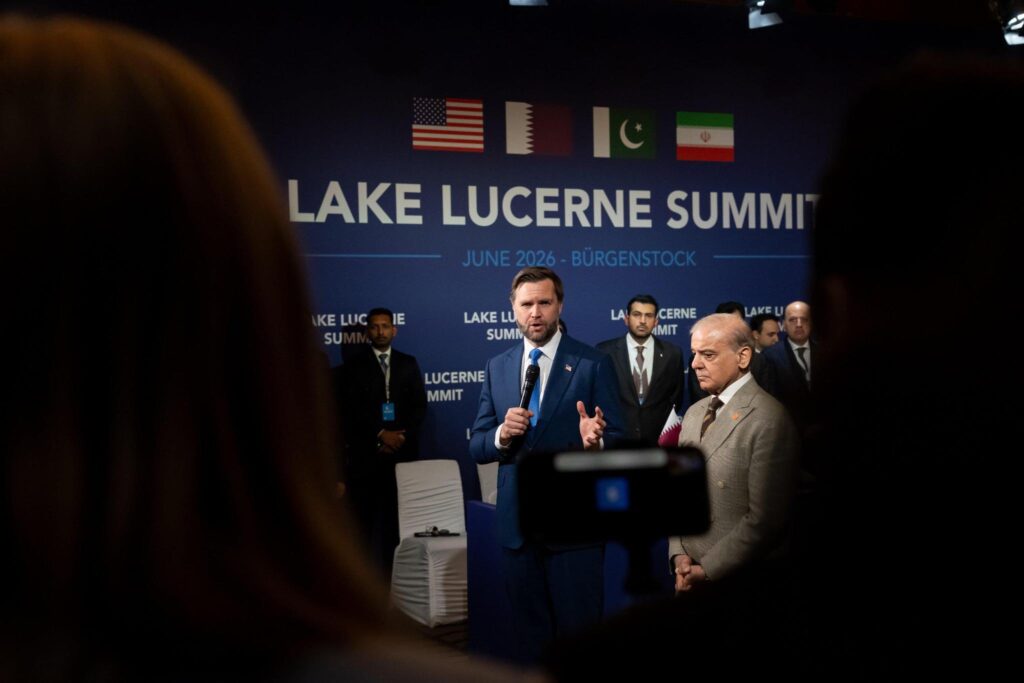
WASHINGTON — Senior U.S. officials believed Israel was preparing to target Iranian officials involved in nuclear negotiations, raising fears that such an operation could derail diplomatic efforts and draw the United States into a broader regional conflict, according to a new report by The New York Times.
The report says U.S. intelligence officials concluded Israel was considering strikes against key Iranian political and security figures connected to the negotiations, prompting concern inside the Trump administration that diplomacy could collapse if the talks’ principal interlocutors were killed.
According to the New York Times, citing U.S. officials, the U.S. feared that Israel would continue to target key principal Iranian decision-makers, specifically Speaker of the Iranian Parliament Mohammad Bagher Ghalibaf and Iranian Foreign Minister Abbas Araghchi, during the… pic.twitter.com/uhYvSdXm8A
— OSINTdefender (@sentdefender) July 2, 2026
Concerns Grew As Negotiations Continued
The alleged concerns emerged as U.S. and Iranian negotiators pursued indirect talks aimed at reaching a new agreement over Tehran’s nuclear program.
According to the report, administration officials worried that Israeli military action against senior Iranian negotiators could eliminate any remaining path toward a diplomatic resolution and dramatically escalate tensions across the Middle East.
The United States has continued urging Iran to curb its nuclear activities while simultaneously attempting to keep negotiations alive through Qatari mediation.
Israel Has Warned Against New Nuclear Deal
Israeli leaders have repeatedly argued that Iran cannot be permitted to acquire a nuclear weapon and have expressed skepticism that negotiations alone can permanently halt Tehran’s nuclear ambitions.
Prime Minister Benjamin Netanyahu has maintained that Israel reserves the right to act independently if it believes Iran poses an imminent threat, regardless of ongoing diplomatic efforts.
Israeli officials have not publicly confirmed any alleged plan to target Iranian negotiators.
Longstanding Tension Between Diplomacy And Military Action
The reported concerns underscore a recurring divide between Washington and Jerusalem over how best to confront Iran.
While both governments agree that Iran should not obtain a nuclear weapon, U.S. administrations have often sought to preserve diplomatic channels even as Israel has argued that military pressure may ultimately be necessary to prevent Tehran from advancing its nuclear program.
That tension has intensified during the latest round of negotiations, which have unfolded alongside continued military exchanges and heightened instability throughout the region.
Talks Continue Despite Regional Violence
Despite the reported concerns, indirect negotiations between U.S. and Iranian officials have continued with Qatari mediation.
The latest discussions have focused on Iran’s nuclear program, maritime security in the Strait of Hormuz and broader regional de-escalation, though significant disagreements remain.
Whether diplomacy can survive the ongoing military confrontation remains uncertain, but the report illustrates the delicate balance U.S. officials believe must be maintained between applying pressure on Iran and preventing actions that could abruptly end negotiations.
READ NEXT: The Supreme Court’s Chief Justice Followed Every Rule. That’s The Problem.