
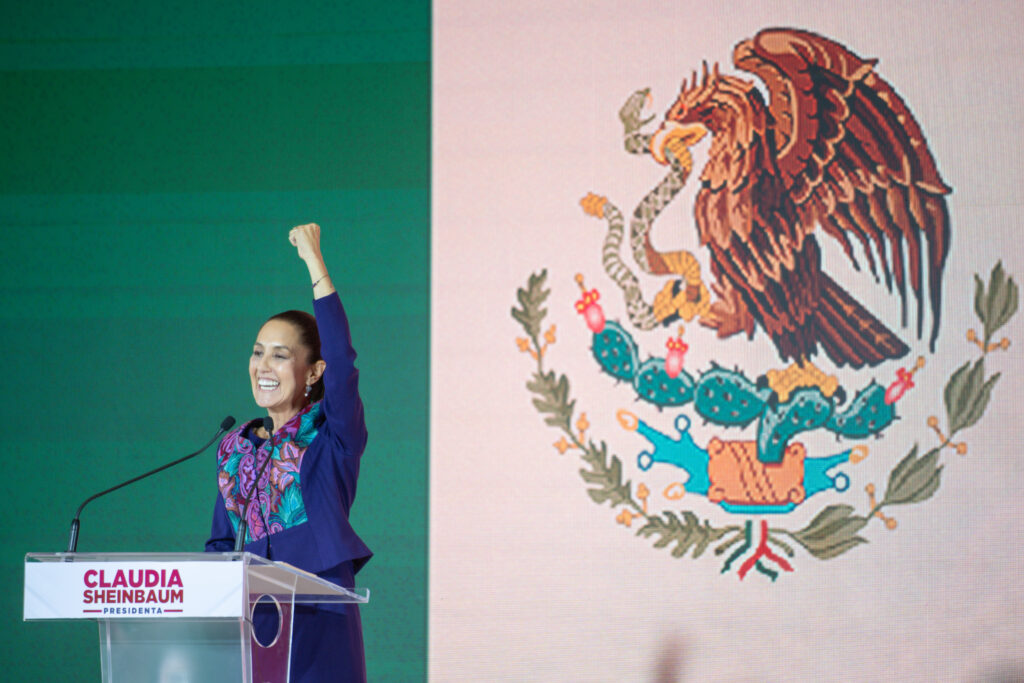
According to Reuters, Mexico has begun filing criminal complaints with state prosecutors in the United States over the deaths of Mexican citizens during Immigration and Customs Enforcement (ICE) operations and while in federal detention. The government has also sent cease-and-desist letters to detention facilities where Mexican nationals have died.
Speaking this week, Sheinbaum defended the government’s intervention, framing it as a matter of national responsibility.”I don’t think this situation appears acceptable to anyone,” she said. “This is an issue for all Mexicans.”
Beyond filing complaints in American jurisdictions, Mexico is also asking the United Nations to investigate American deportation operations following the reported deaths of 17 Mexican nationals during the deportation process.
Many argue the effort amounts to a foreign government attempting to interfere with the United States’ ability to enforce its own immigration laws.
Since returning to office, Trump has dramatically reduced illegal border crossings, expanded deportation efforts, pressured Mexico to intensify its campaign against drug cartels, and sought broader reforms to America’s immigration system.
The dispute also highlights the complicated economic relationship between the two countries.
Mexico has long benefited from migration to the United States.
Millions of Mexican nationals working in America send money home each year, creating one of the country’s largest sources of foreign income.
According to Mexico’s central bank, remittances from the United States totaled roughly $62 billion in 2025, providing a major boost to the Mexican economy.
Migration has also eased economic pressures within Mexico by reducing demand for domestic jobs and social services.
Approximately 37 million Americans of Mexican origin were living in the United States as of 2021, according to Pew Research Center.
Critics Point to Costs for the United StatesFederal officials have repeatedly linked Mexican drug trafficking organizations to the fentanyl epidemic, which continues to claim tens of thousands of American lives annually. In addition to narcotics trafficking, immigration enforcement advocates point to crimes committed by illegal immigrants—including violent offenses—as evidence that stronger border security remains necessary.
The administration has also argued that Mexico bears responsibility for allowing powerful drug cartels to operate within its borders and for failing to stop the flow of narcotics into the United States.
Against that backdrop, critics contend Mexico’s decision to challenge ICE operations represents an attempt to obstruct immigration enforcement while avoiding accountability for the broader consequences of illegal migration.
Whether Mexico’s legal strategy succeeds remains uncertain. Immigration enforcement falls squarely within the authority of the American federal government, and American courts have historically afforded broad discretion to the executive branch in carrying out deportations.
READ NEXT: Mexican Senator Accuses President Sheinbaum Of Protecting Cartel-Linked Politicians