Russia’s long-running effort to secure a second major natural gas pipeline to China has hit a significant roadblock after Beijing reportedly rejected Moscow’s pricing demands, underscoring China’s growing leverage over its increasingly dependent partner.
Negotiations over the proposed Power of Siberia 2 pipeline have stalled after Chinese officials insisted Russia sell natural gas at prices comparable to those paid by domestic Russian consumers — a level that would make the multibillion-dollar project far less profitable for Moscow.
China drives a hard bargain
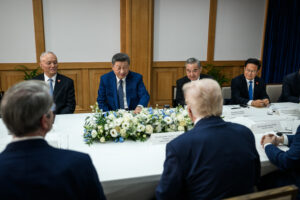
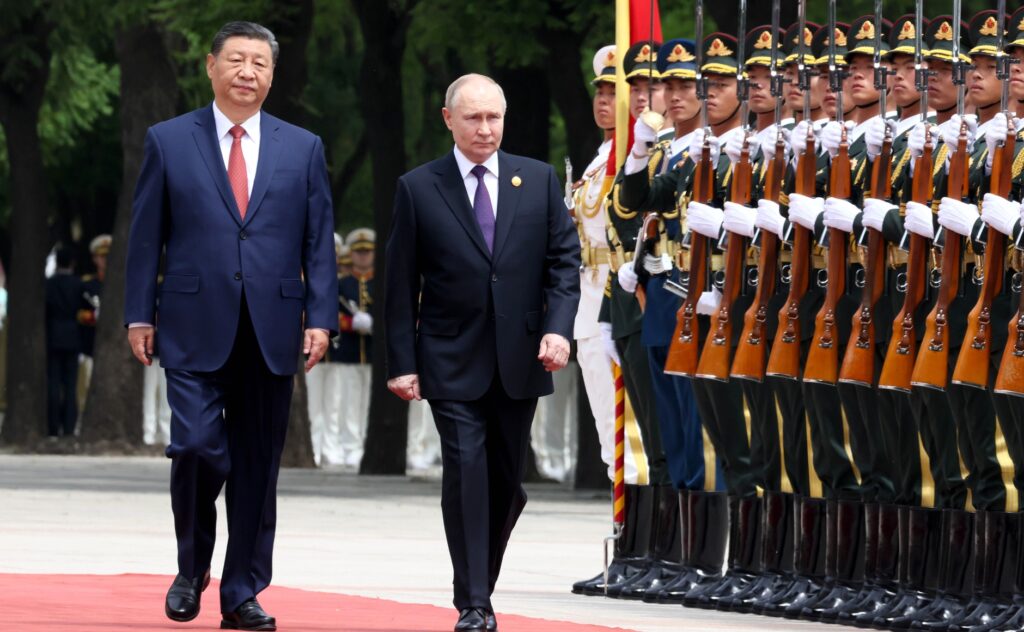
According to The Wall Street Journal, Chinese officials informed Gazprom executives during President Vladimir Putin’s recent visit to Beijing that they would move forward only if Russia accepted deeply discounted pricing.
The message was blunt: unless Moscow changes its terms, Chinese officials reportedly do not want to revisit the issue. Putin ultimately left Beijing without securing the pipeline agreement despite signing dozens of other cooperation deals with China.
The proposed pipeline has been under discussion for more than a decade and would transport up to 50 billion cubic meters of natural gas annually from western Siberia to China. The project is viewed by the Kremlin as critical to replacing export volumes lost after Europe’s sharp reduction in Russian gas imports following the invasion of Ukraine.
Russia’s bargaining position weakens
Analysts say the impasse reflects a broader shift in the Russia-China relationship.
Before the Ukraine war, Europe was Russia’s largest gas customer. Today, with Western markets largely closed to Russian pipeline gas, Moscow has become increasingly reliant on China as its primary long-term export market.
That dependence has strengthened Beijing’s negotiating position, allowing it to demand lower prices and more favorable commercial terms. Some analysts believe China has little incentive to rush into an agreement while Russia has few comparable alternatives.
Strategic project remains in limbo
The Power of Siberia 2 project differs from the existing Power of Siberia pipeline, which began supplying eastern Siberian gas to China in 2019. The new line would instead redirect gas from western Siberian fields that previously supplied Europe, making it strategically important for Russia’s effort to pivot its energy exports toward Asia.
Although neither side has formally abandoned the project, there is no timetable for an agreement or the start of construction.
Russian officials have publicly downplayed reports that pricing is the central obstacle, with one presidential envoy arguing that routing and logistical issues remain the primary challenge. However, multiple recent reports indicate that price remains the chief sticking point in negotiations.
For now, the deadlock leaves one of Russia’s most important energy projects in limbo — and highlights how the balance of power in the Moscow-Beijing partnership has shifted increasingly in China’s favor.
READ NEXT: The Data Center Next Door Has Been There For Decades, You Just Never Noticed