



By Steve Tarani GunMag Warehouse
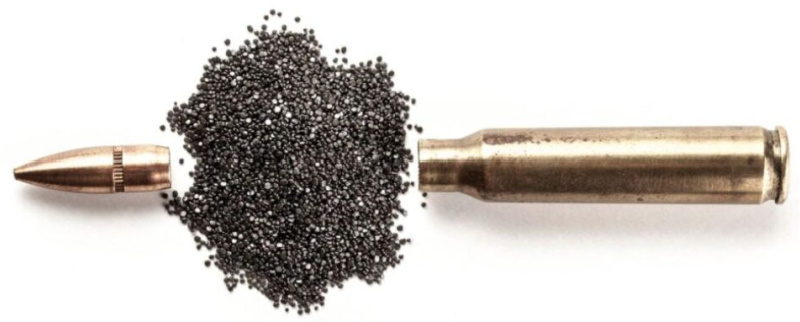
As of this writing, there are several types of gunpowder and propellants available to shooters, each designed for specific applications. Commonly used types of gunpowder available today include the likes of black, smokeless, ball, flake, pistol, rifle and shotgun powders.
Types of Gunpowder
The earliest and most traditional form of gunpowder, black powder, consists of a mixture of sulfur, charcoal, and potassium nitrate (saltpeter).
Black powder is primarily used in antique firearms and fireworks due to its relatively low energy output compared to modern alternatives.
Developed in the late 19th century, smokeless powder revolutionized firearms technology. It provides higher energy output and burns more
cleanly than black powder. Smokeless powder is composed of nitrocellulose, a type of highly flammable and stable cellulose compound. It
is commonly used in modern firearms, ranging from handguns to rifles, and is available in various grain sizes and formulations for different calibers and applications.
Ball powder is a specific type of smokeless powder that is granulated into small spherical particles, resembling tiny balls. It offers excellent metering properties, making it suitable for use in automatic and semi-automatic firearms. The shape of the granules also promotes consistent and reliable ignition.
Flake powder consists of thin, flat flakes or discs. It is often used in shotguns, particularly for shotgun shells. Flake powder provides consistent
burning characteristics and is less likely to bridge or clump when poured or dispensed.
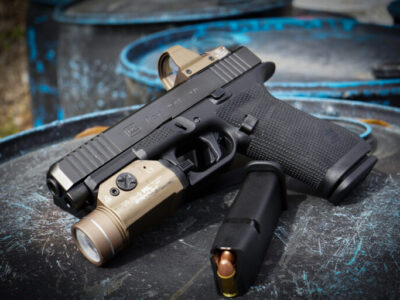
Pistol powder is specifically formulated for use in handguns. It is designed to provide optimal performance and ignition characteristics in shorter barrels and smaller cartridges. Pistol powders come in various formulations and burn rates to suit different calibers and bullet weights.
Rifle powder is engineered for high-velocity, long-range shooting in rifles. It is typically slower-burning than pistol powder, allowing for efficient combustion and propelling bullets at higher speeds. Rifle powders are available in different burn rates and formulations to match specific cartridge requirements.
Shotgun powder, also known as shotgun propellant, is designed for use in shotgun shells. It provides the energy required to propel shotgun pellets or slugs at various distances. Shotgun powders come in different formulations and burn rates to suit different shotgun gauges and shell lengths.
Discovery, Early Uses and Experimentation
Gunpowder, although widely available today and in a variety of configurations, was originally a substance that revolutionized warfare and is
widely considered one of the most significant inventions in human history.
The origin of gunpowder can be traced back to ancient China, where it was initially developed as a medicinal elixir. Over time, however, gunpowder’s properties were harnessed for military purposes, leading to transformative changes in warfare and the world at large.
The exact origins of gunpowder remain shrouded in mystery to this very day, but historical evidence suggests that its discovery can be attributed to ancient Chinese alchemists. Around the 9th century, during the Tang Dynasty, these alchemists were engaged in the quest to discover the elixir of immortality.
In their experiments, they stumbled upon a peculiar mixture comprising sulfur, charcoal, and saltpeter (potassium nitrate). This blend possessed explosive properties that astonished the alchemists.
Although gunpowder was initially employed for its medicinal qualities because it was believed to promote longevity and cure ailments, its
explosive nature soon captured the attention of military strategists, who recognized its potential as a game-changing weapon.
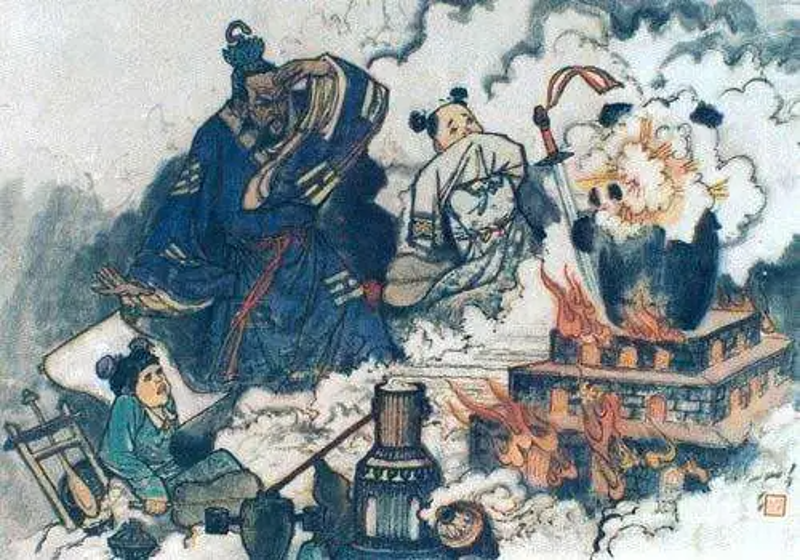
By the 10th century, Chinese inventors began harnessing the power of gunpowder for warfare, leading to the development of primitive explosives such as fire arrows and fire-lances.
The Song Dynasty (960-1279) witnessed significant advancements in the application of gunpowder. The invention of the flamethrower, known as the “Pen Huo Qi,” allowed the Song army to unleash controlled bursts of fire against enemy forces. Furthermore, the emergence of the thunderclap bomb, or “Lei Pao,” marked a pivotal milestone in gunpowder’s military utilization. This explosive device, packed with gunpowder and shrapnel, inflicted massive damage upon the enemy.
The knowledge of gunpowder’s properties gradually spread beyond the borders of China, thanks to the flourishing trade routes of the Silk Road.
During the 13th century, the Mongols, under the leadership of Genghis Khan, conquered vast territories, including China, and brought gunpowder back to Central Asia.
Gunpowder’s arrival in the Islamic world spurred further advancements in its development and applications. Arab alchemists and engineers refined gunpowder’s composition, enhancing its explosive capabilities. They also expanded its usage by incorporating it into various weapons, including cannons, hand cannons (the precursors to hand-held firearms), and grenades. The Islamic world soon witnessed the transformative effects of gunpowder, with its military power increasing exponentially.
Gunpowder in Medieval Europe
The arrival of gunpowder in medieval Europe is attributed to multiple factors, including trade contacts, military conflicts, and the Crusades. It is believed that the knowledge of gunpowder reached Europe through the Mediterranean region during the 13th century.
Initially, European armies struggled to grasp the true potential of gunpowder, often using it haphazardly or as a novelty. However, the Battle of Crécy in 1346 and the Battle of Agincourt in 1415 demonstrated the devastating impact of gunpowder weaponry, specifically longbows and cannons, on traditional knightly cavalry. These battles forced European powers to adopt gunpowder-based technologies more seriously and revolutionized warfare on the continent.
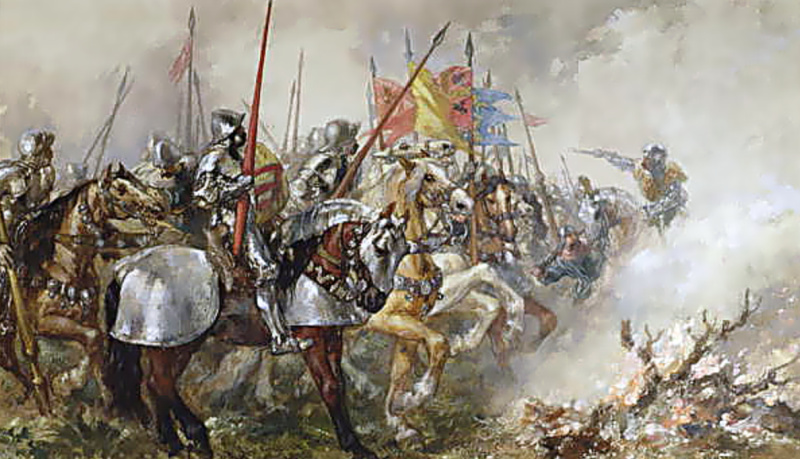
The practical usage of gunpowder in combat during the 16th century, particularly attributed to the Battle of St. Quentin in 1557, had a significant impact on warfare and marked a turning point in the effectiveness of plate armor. Historians often highlight this battle as a pivotal moment in the evolution of firearms and their role on the battlefield.
Prior to the widespread use of firearms, plate armor provided excellent protection for soldiers. However, the advent of powerful pistols, such as the arquebus and the early musket, posed a significant threat to armored knights and heavily armored infantry.
The Battle of St. Quentin showcased the vulnerability of plate armor against pistols and muskets, as the Habsburg forces, armed with such firearms, were able to defeat the French army, which relied predominantly on heavily armored cavalry and infantry. The battle marked a turning point in military tactics, leading to a decline in the effectiveness and prominence of plate armor in subsequent conflicts. In 1557 gunpowder changed the dynamics of warfare and emphasized the need for new defensive measures.
Soldiers began to adapt by incorporating lighter armor or transitioning to different forms of protection, such as chainmail or layered fabric armor. Eventually, plate armor became obsolete as gunpowder technology continued to advance.
Gunpowder played a significant role in facilitating the European Age of Exploration during the 15th and 16th centuries. The development of
advanced firearms, such as muskets and cannons, provided European explorers with a distinct military advantage over the indigenous populations they encountered during their voyages. The firepower provided by gunpowder-based weapons enabled the Europeans to establish colonies, subdue resistance, and exert control over newly discovered lands.
Furthermore, gunpowder played a crucial role in naval warfare, particularly in the form of ship-mounted cannons. The ability to unleash devastating cannon fire gave European navies a significant edge in maritime conflicts, allowing them to dominate the seas and expand their global influence.
Impact on Warfare and Society
The introduction of gunpowder revolutionized the nature of warfare and had profound societal implications. The use of gunpowder weapons shifted the balance of power from skilled warriors to those who possessed superior technology and firepower. This change brought about a decline in the prominence of traditional cavalry and melee combat, as firearms offered greater range and lethality.
Moreover, the availability of gunpowder weapons transformed the dynamics of warfare, enabling smaller armies to inflict significant damage
on larger forces. The effectiveness of firearms leveled the playing field, providing opportunities for uprisings and revolutions against oppressive regimes.
The diffusion of gunpowder also led to the development of fortifications and defensive structures capable of withstanding the destructive power of cannons. The construction of massive fortresses and walls became a common practice, altering the architectural landscape of cities and ushering in an era of military engineering.
Beyond warfare, gunpowder had far-reaching effects on various aspects of society. It spurred advancements in metallurgy and engineering, as the need for stronger cannons and firearms drove innovations in the production of more durable materials. Additionally, the demand for saltpeter as a key component of gunpowder led to the establishment of specialized industries for its extraction and refinement.
Cultural Exchange and Innovation
The spread of gunpowder technology was not limited to China and Europe.
Over time, knowledge of gunpowder’s composition and applications permeated other regions, including the Indian subcontinent, Southeast Asia, and Japan. Each civilization infused gunpowder with its unique cultural influences, resulting in the development of distinctive weapons and military tactics.
For instance, in Japan, gunpowder was initially introduced by Portuguese traders in the mid-16th century. The Japanese samurai swiftly recognized its potential and adapted it to their own warfare traditions. This led to the creation of innovative firearms, such as the arquebus, and the development of new military strategies, such as the use of firearms in conjunction with traditional swordsmanship.
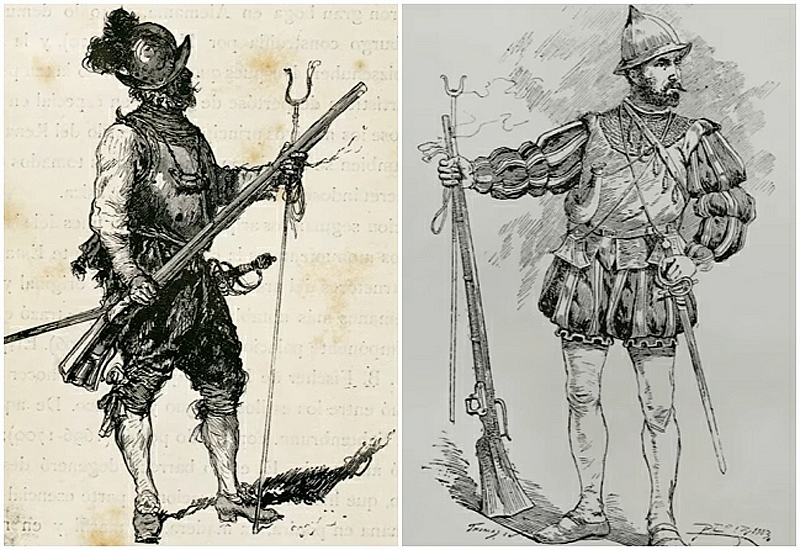
From its early uses in Chinese fire arrows to the development of cannons in medieval Europe, gunpowder’s impact on warfare was profound. It enabled the rise of powerful empires, facilitated colonization, and altered the dynamics of combat. The diffusion of gunpowder technology sparked cultural exchange, innovation, and the development of unique military strategies across civilizations.
The historical significance of gunpowder as a catalyst for change and a symbol of human ingenuity remains undeniable. The origins and evolution of gunpowder serve as a testament to the transformative power of scientific discovery and its enduring impact on human civilization.
Find the original article in its entirety on GunMag Warehouse.
READ NEXT: America’s 21st Century Marine Corps Readies To Fight China