

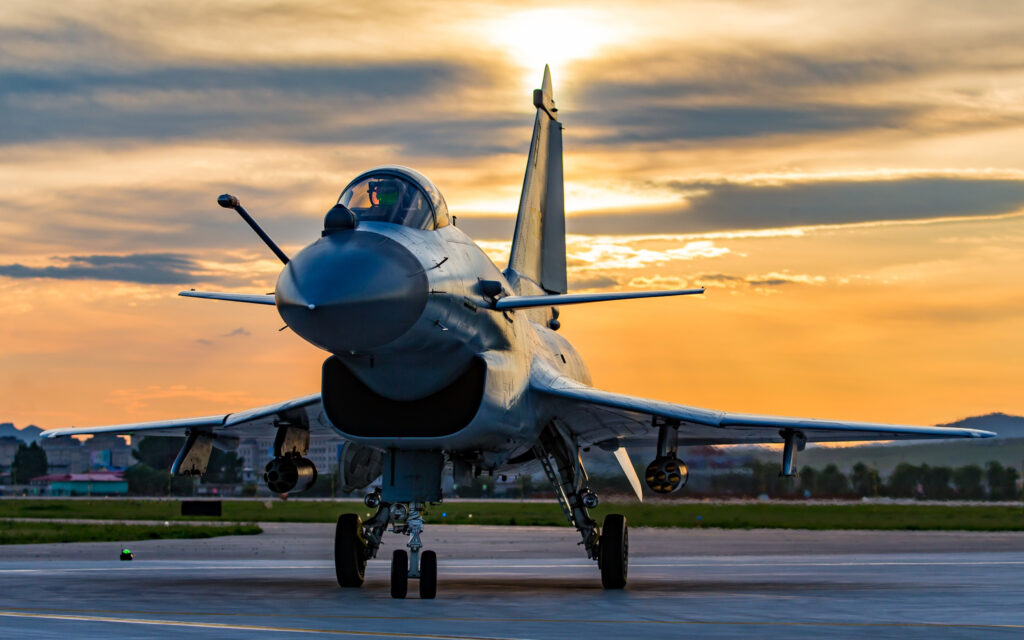
Well, maybe not an actual dogfight since neither side’s aircraft crossed the border dividing the two nations known as Line of Control. They basically lobbed long range air-to-air missiles at each other.
But if the numbers are confirmed, it was massive with approximately 125 fighters engaged on both sides for at least an hour at distances over 100 miles. This would make it the largest air battle since the U.S. fought Iraq in the Gulf War.
Either way, in this fight the biggest winner is China.
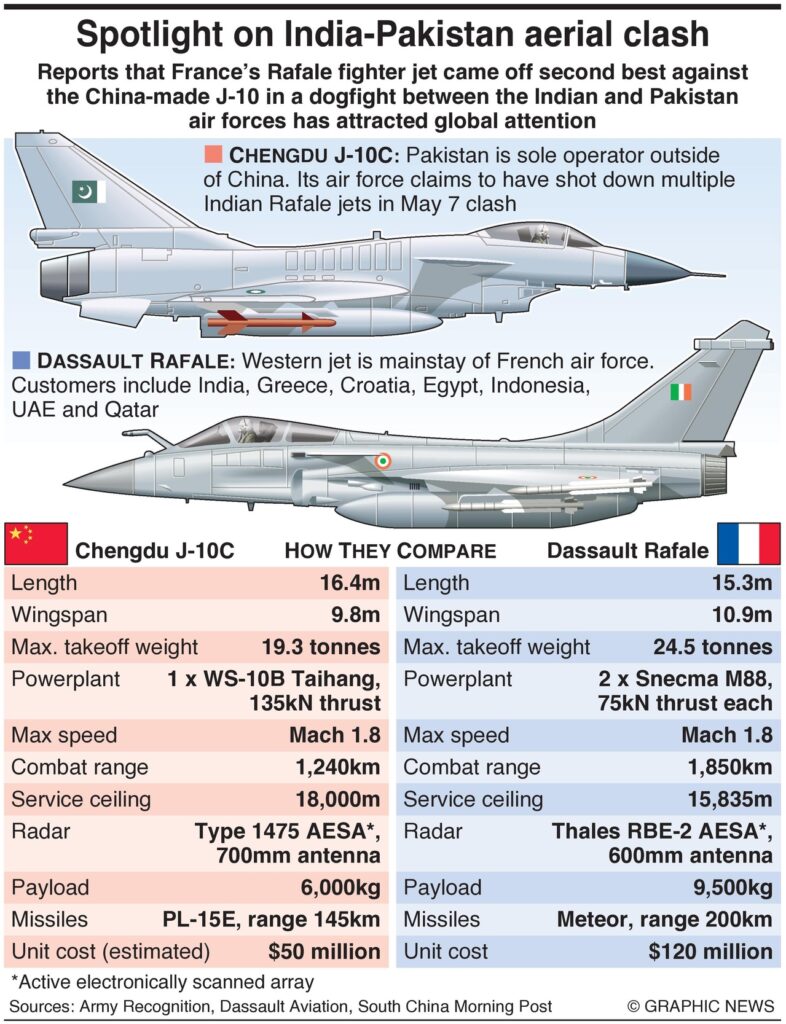
Reports that France’s Rafale fighter jet came off second best against the China-made J-10 in a battle between the Indian and Pakistan air forces has attracted global attention. The Pakistan Air Force claimed to have shot down multiple Indian Rafale jets during the aerial clash on May 7.
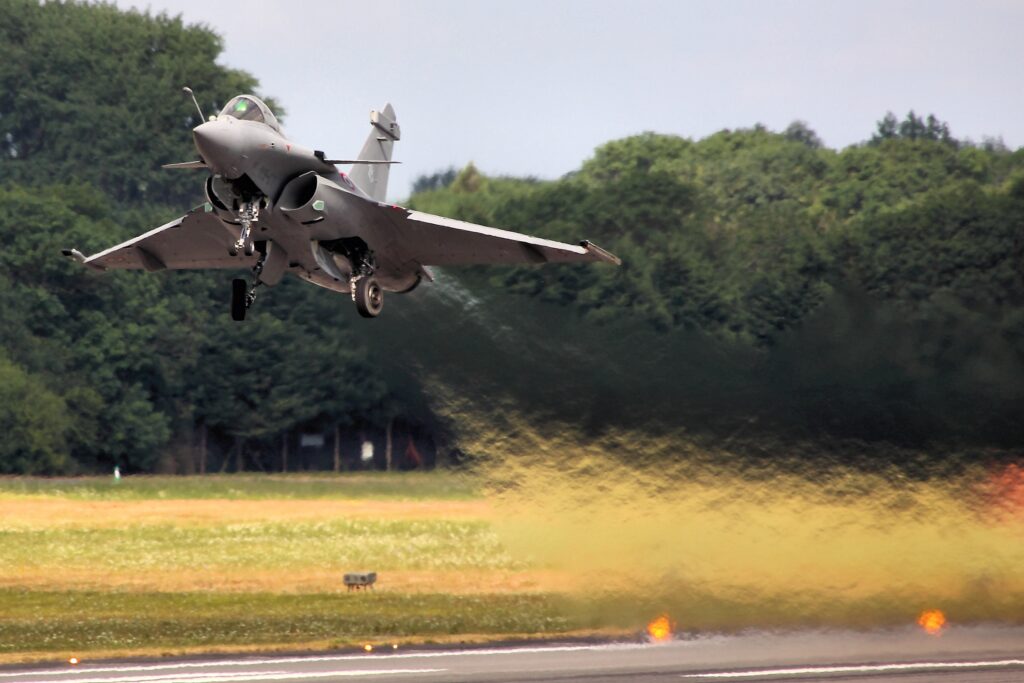
If confirmed, it would be the first combat loss for the Dassault-made aircraft. India also reportedly lost a couple of Russian built fighters, notably a Su-30 and Mig-29, giving the Kremlin a black eye as well.
More significantly though, if the loss of the Rafales is true, it would signal a victory for the Chinese military asset over the Nato-standard mainstay Western fighter in its first battlefield encounter.
Still, it should be noted that the J-10 is basically a Chinese rip-off of the highly respected U.S. F-16 combat jet, as the Chinese apparently stole the design plans.
Regardless, China is very happy. According to France24, a Chinese delegation from their embassy in Islamabad, including Beijing’s ambassador, visited Pakistan’s foreign ministry headquarters in the early morning hours of May and was quickly briefed on the Pakistani success using Chinese arms:
The outlet noted:
It was just hours after India launched its Operation Sindoor with an opening salvo of strikes on Pakistan in response to a deadly April 22 terror attack in Indian-administered Kashmir. India blamed Pakistan for the attack, Islamabad denied the allegation but was nonetheless prepared for India’s military riposte.
So were the Chinese weapon systems acquired by Pakistan in recent years.
When the Chinese delegation arrived, they were promptly given the good news, as Pakistani Foreign Minister Ishaq Dar told parliament later that day:
“Our jet fighters … shot down three Indian Rafales, three Rafales [that] are French,” Dar told the National Assembly. “Ours were J-10Cs,” he noted, referring to the Chengdu J-10 Vigorous Dragon, a Chinese multipurpose fighter jet that was untested in an active combat zone until the latest India-Pakistan armed clash.
The Chinese delegation was very pleased with the J-10 performance on the battlefield, Dar continued. “Being a friendly nation, they expressed great happiness,” he claimed.
Pakistan also successfully used China’s new PL-15 radar homing long range air-to-air missile.
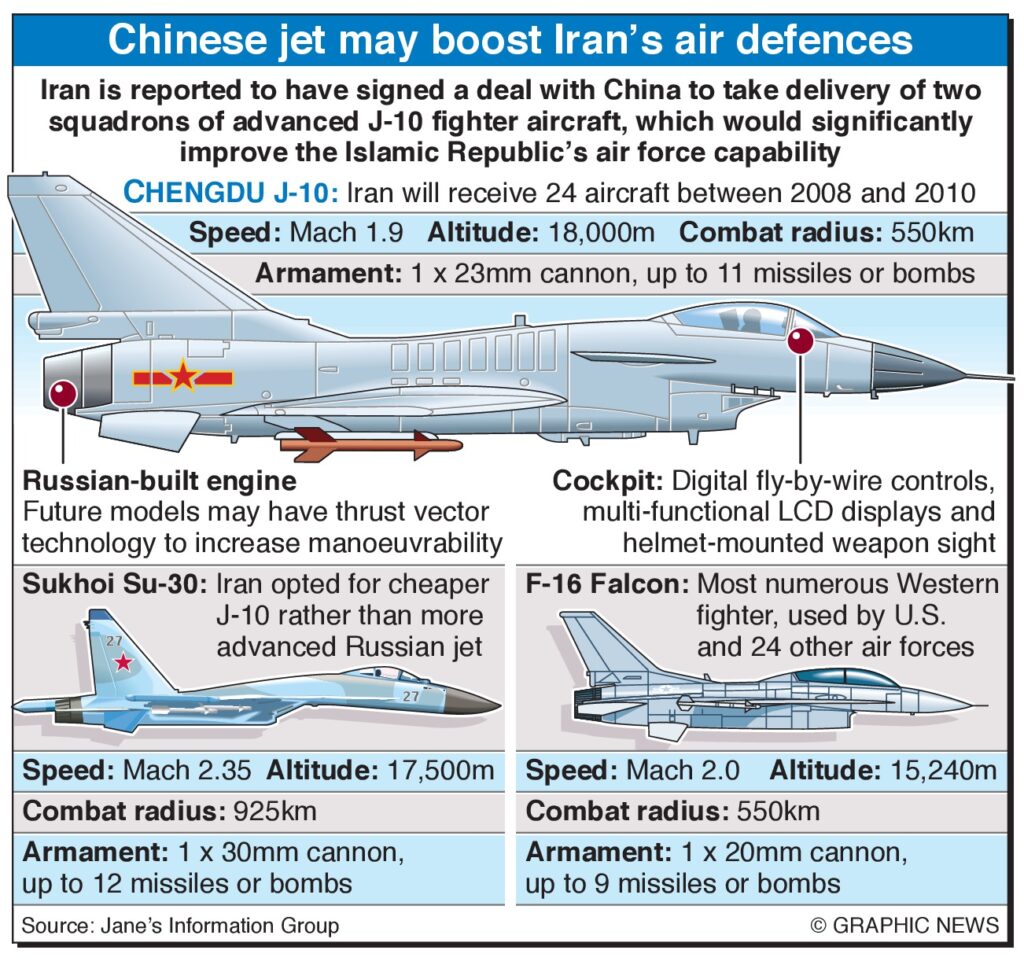
Iran should also take note of the results of this battle as it has been going back and forth on buying a fleet of J-10s for well over a decade.
Below is a thorough analysis of the aerial battle by a former U.S. Air Force F-15 combat pilot:
Meanwhile, as France24 reported, Carlotta Rinaudo, an Italian expert on China, notes that while it’s too early for solid conclusions, perception is key in these initial assessments. “And this was a big victory for China in terms of perception,” she said, referring to the performance of China’s J-10 jets.
“For a country that hasn’t fought, theoretically, any war since the war with Vietnam in 1979, for a country that hasn’t really engaged in war and its own weapons don’t really have that sort of global recognition as, let’s say, French weapons or American weapons, this is a big, big victory in terms of perception,” she added.
“We always had the impression that Chinese weapons were the same as Chinese goods in a way. We assumed that Chinese weapons are inferior. This is not the case anymore,” said Rinaudo.
She added, according to France24: “So, the lesson that we should all take out of this is that perhaps Chinese weapons are not inferior to Western weapons. We should change that paradigm that we’ve been holding for very long.”
Still, others warn against simplistic assessments of Chinese weapons superiority, noting that several factors are at play in battlefield effectiveness. This includes overall leadership, the training of the pilots, and coordination among different aircraft types and weapons systems.
“In this engagement, both sides discovered and exposed their strengths and their weaknesses as well,” said Rinaudo.
While the J-10s surpassed expectations in the combat zone, Pakistan’s Chinese-manufactured HQ-9 defense system showed weaknesses, enabling India’s long-range French SCALP missiles to lock-in and fire on targets after penetrating Pakistani aerial defenses.
And experts say that India’s Russian-made S-400 advanced air defense missile system passed the battle test.
Expect more lessons learned from this massive air engagement in due time.
The opinions expressed in this article are those of the author and do not necessarily reflect the positions of American Liberty News.
READ NEXT: [REPORT] Vulnerability Found In Key US Infrastructure Sector











Why hasn’t anyone suggested to split the contested area in half and give the two nations one of the halves? Wouldn’t this help solve the problem?