

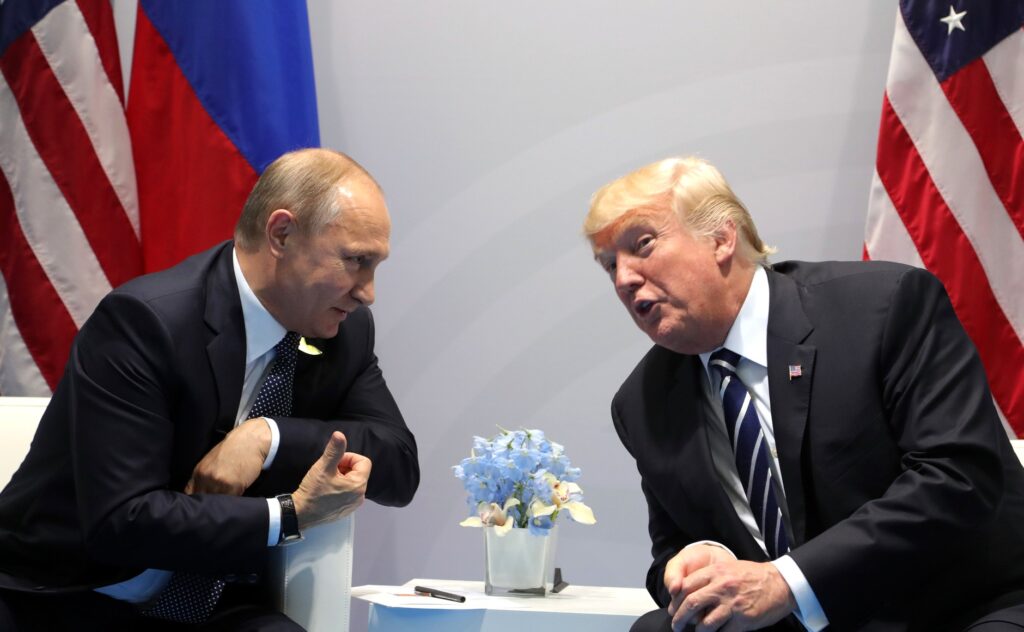
As Trump pushes for a ceasefire deal, is Russia finally serious — or just stalling for another land grab?
A Shift in Tone from the Kremlin?
For the first time in years, Vladimir Putin says he’s open to direct peace talks with Ukraine. It’s a notable shift — but is it sincere? Or is this just another stalling tactic from a man who’s made a career out of violating agreements?
The move comes amid renewed diplomatic pressure from President Trump and his administration, who are pushing hard for a ceasefire. U.S., European and Ukrainian officials are set to meet in London later this week. The Trump team hopes Kyiv will respond to a draft ceasefire framework — terms the U.S. wants to present to Moscow next.
A Familiar Pattern of Broken Promises
Skeptics have good reason to question Putin’s motives. Just this year, during a so-called Easter truce, over 2,000 violations were reported. That’s not an anomaly — that’s a pattern. Since 2014, Russia has violated nearly every deal it has signed in the region.
Peace sounds good on paper. But how do you negotiate with someone who sees ceasefires as just pauses to reload?
The Road to Invasion: A Brief Recap
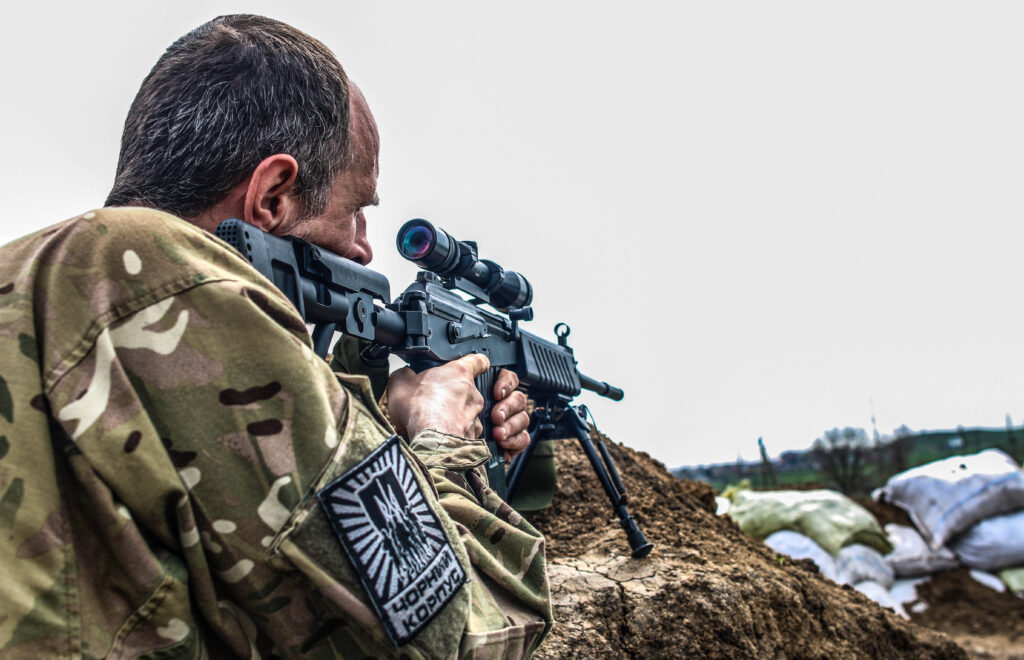
-2014: After pro-Russian President Viktor Yanukovych was ousted in Ukraine’s Revolution of Dignity, Russian troops without insignia took over Crimea.
-March 18, 2014: Putin declared Crimea part of the Russian Federation after a controversial referendum. The world saw it for what it was: an illegal annexation.
-Spring 2014: Moscow stoked separatism in Donbas, backing militants in Donetsk and Luhansk.
-Minsk Agreements: Signed in 2014 and 2015, they were supposed to de-escalate the war. They failed. Russia denied even being a party to the conflict — while sending in troops and weapons.
2022: From Cold War to Hot War
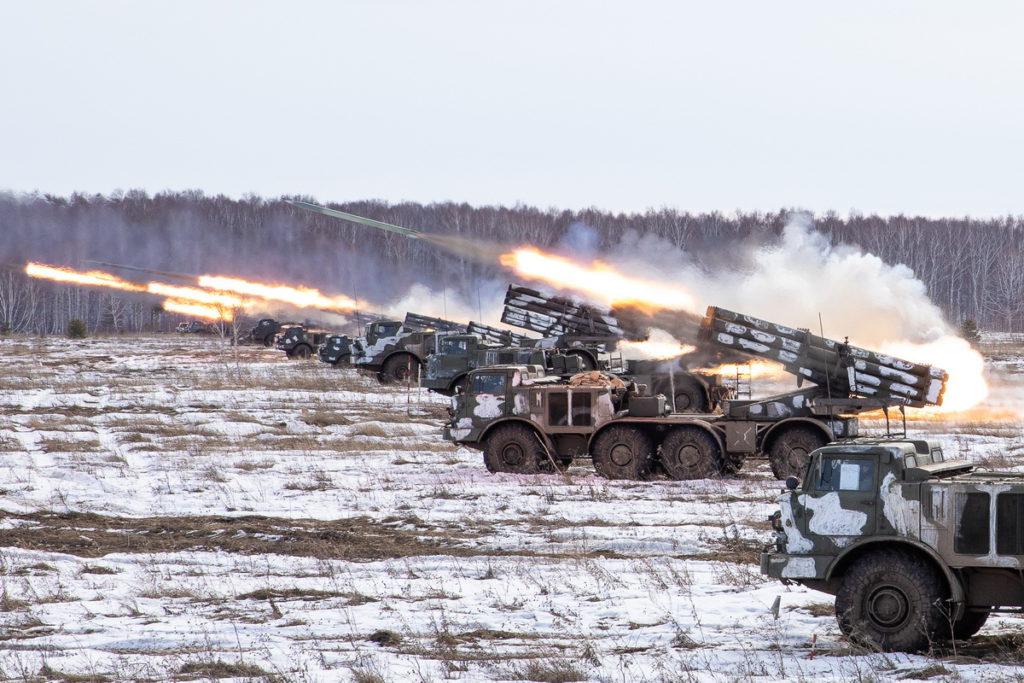
-On Feb. 24, 2022, Putin launched a full-scale invasion from multiple directions, trying to decapitate Ukraine’s leadership and take Kyiv.
-Russia claimed it was liberating “historically Russian lands” — a message pushed hard in domestic propaganda and Putin’s 2021 essay that flat-out denied Ukrainian nationhood.
-Early peace talks floundered, especially after events like the Bucha massacre — a turning point that made Ukraine dig in.
By late 2022, Zelensky rejected any ceasefire that would leave 22% of Ukraine under Russian occupation. He called it a trap — a repeat of the failed Minsk model.
What’s Putin Really After?
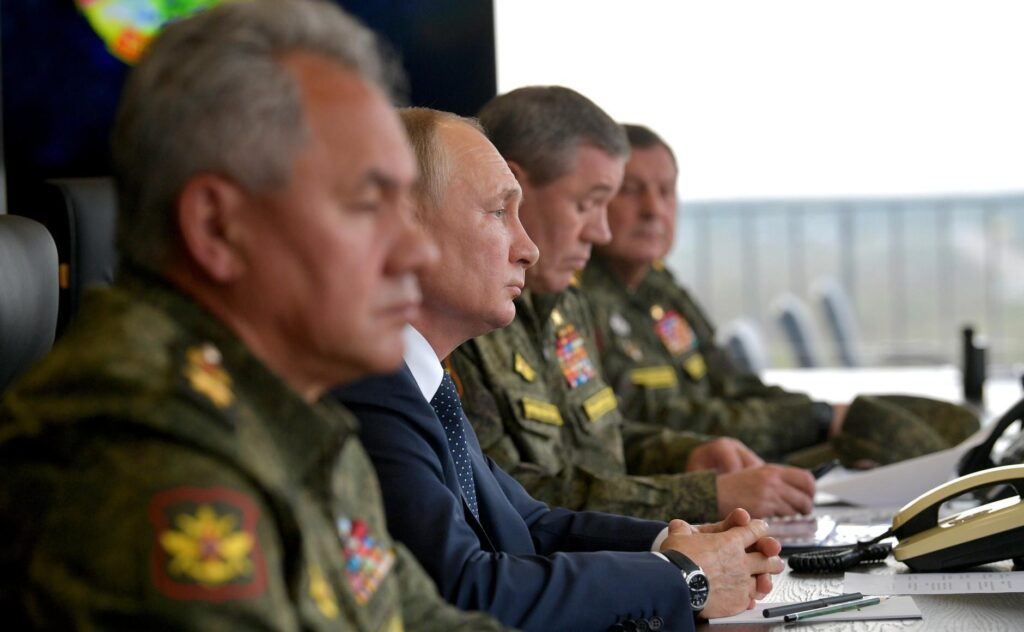
Let’s be clear: This isn’t about peace. It’s about leverage.
Russia doesn’t want a sovereign, Western-aligned Ukraine on its doorstep. It wants:
-A buffer zone
-A veto over Ukraine’s foreign policy
-Control of key territories like Crimea and Donbas
Putin’s long game is about dominance — not diplomacy.
Trump’s High-Stakes Bet
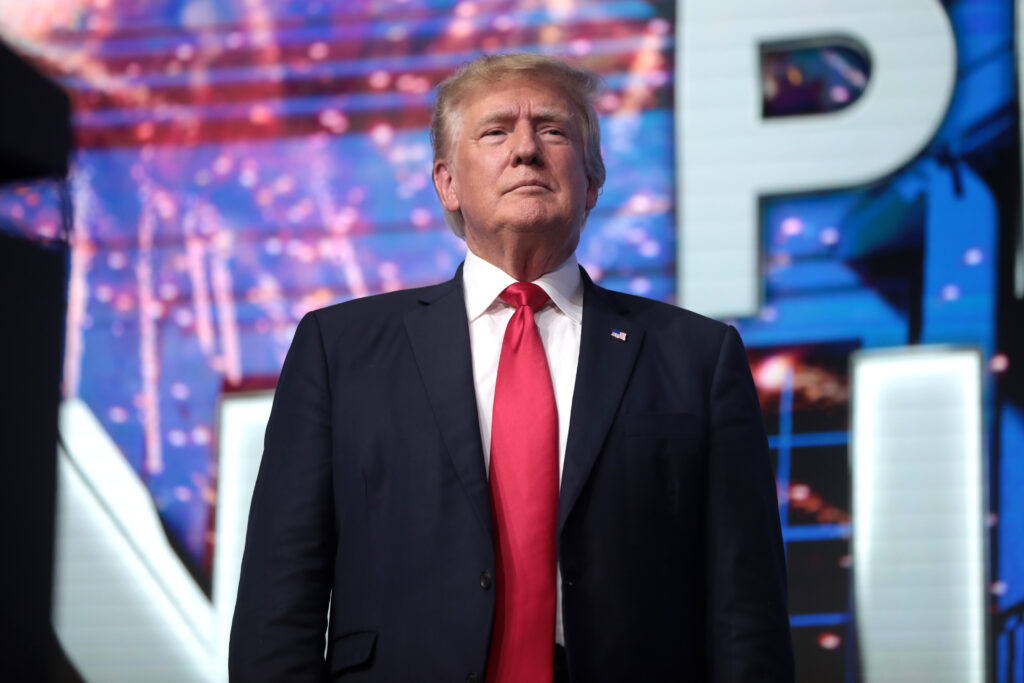
Trump’s push for peace is bold — and it puts pressure on both sides. He’s trying to break the deadlock and prevent another forever war. But he’s also walking a tightrope. A rushed or bad deal could legitimize Russian gains, while a failed push risks undermining American credibility.
That’s why the coming days matter.
The $64,000 Question:
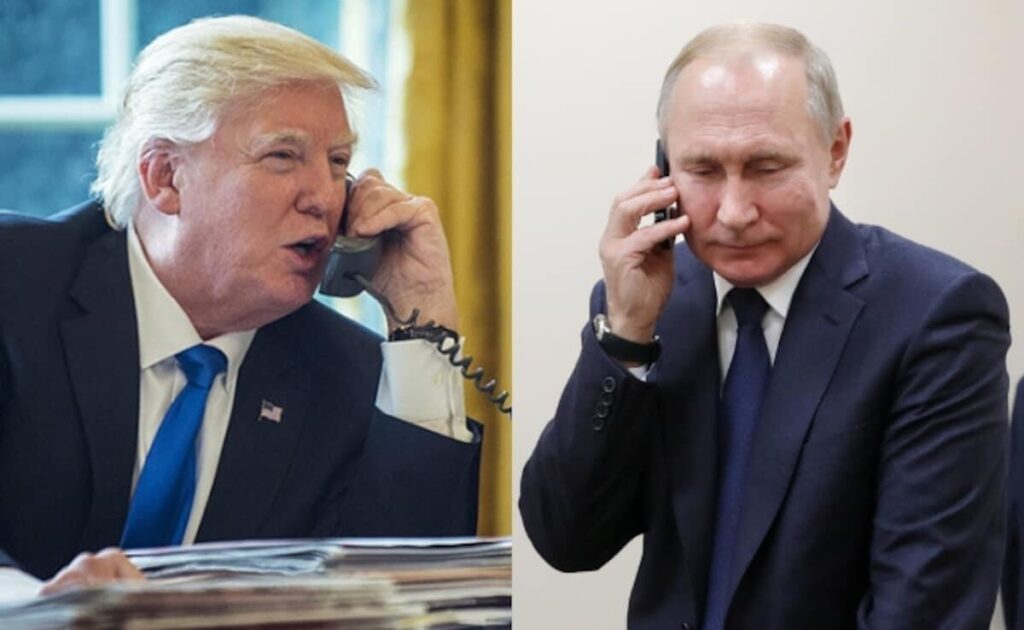
If Putin breaks this deal too — do we finally stop playing his game, or keep pretending he’s negotiating in good faith?
Drop your thoughts in the comments. 👇
The opinions expressed in this article are those of the author and do not necessarily reflect the positions of American Liberty News.
READ NEXT: Legendary Newsman QUITS In Response To Trump Feud













While I don’t condone Russia’s invasion both in 2014 and 2022 of Ukraine, perhaps you need to go back further in time when Secretary Baker (Reagan) got Michael Gorbachev to agree to unite East and West Germany with the understanding that there would be no further eastern movement of nations in Europe to NATO. It started under Clinton and continued under Bush. I believe 11 more nations have been admitted to NATO since Secretary Baker’s agreement. With this backdrop, one can understand Putin’s point of view. So, if we are not ready to admit Ukraine into NATO, why should be object to agreeing to permanently agreeing to this? According to my understanding olf the NATO requirements, a country cannot join if it is currently at war. A solution that could satisfy Russia’s objection and not limit Ukraine would be to allow Ukraine to change its government to one similar to Switzerland. This would eliminate Russia’s concern about NATO and still allow Ukraine to be an independent nation. It would allow Ukraine to vote for this change and if the Ukrainians wanted to change leadership, that would also be possible or if they think President Zelensky is a good leader, he could retain office. Then, Ukraine would be free to choose the government they desired. Of course, there would be many details to decide, but it is a way forward. Perhaps, the Ukrainian territory that Russia has seized could also vote on whether it stays Ukrainian or is OK with being under Russia. These are decisions that the Ukrainians should decide not the US, not European nations, not Russia.