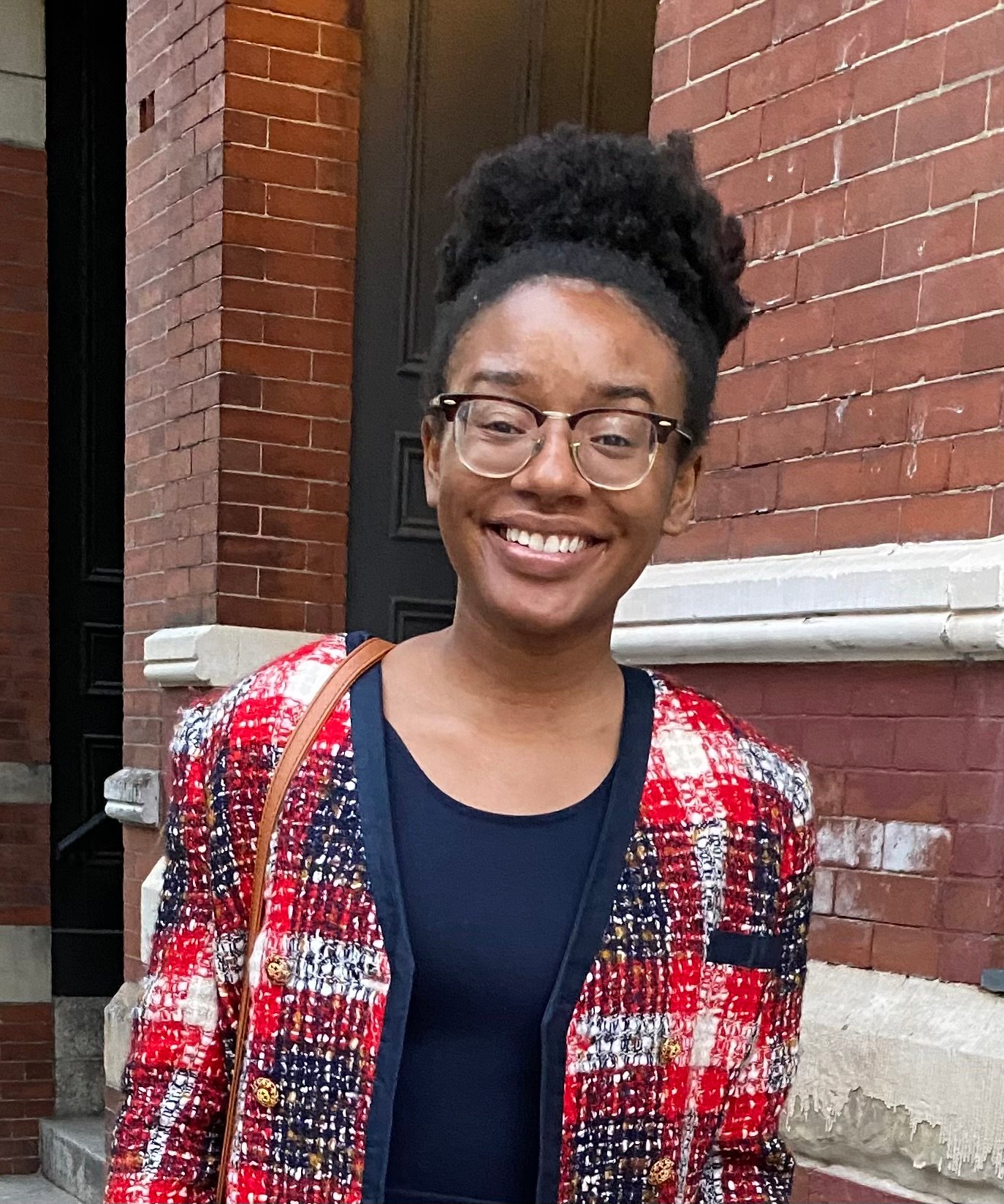




Bubba Wallace, the NASCAR driver known for his outspoken political views in 2020, appears to have undergone a noticeable shift in tone and focus. While Wallace became a prominent figure in 2020, largely due to his calls for a ban on Confederate flags at NASCAR events and his condemnation of President Donald Trump, the driver’s approach to politics has evolved dramatically. As Trump makes waves by potentially attending the 2024 Daytona 500 on February 16, Wallace, who once sparred with the former president on social media, has shied away from confrontation.
In the midst of the George Floyd protests and the COVID-19 pandemic, Wallace made headlines by speaking out against Trump’s administration, accusing him of promoting hate. He also faced a public controversy surrounding a rope found in his garage, which he alleged was a noose meant to intimidate him, but was later determined to have been in place long before Wallace’s arrival at the race. Wallace’s vocal activism garnered criticism from Trump, who tweeted at the driver, condemning him for what he called a hoax.
“I was definitely more vocal then because our sport was in desperate need of change,” Wallace contended. “Investing my time into that seems like a waste of time.” Instead, Wallace has focused his energy on his racing career and his role as a father, stepping away from the political spotlight.
While his explanation is convenient, this shift could be a calculated measure to restore his public image in response to the changing cultural tides, where everyday Americans are much less interested in or open to political commentary from celebrities and athletes than they once were — especially when it comes to social justice.
In 2020, many celebrities took to social media to voice their political opinions in the aftermath of George Floyd’s death, often targeting Trump and his administration. At the time, many wondered whether these political expressions were genuine or procured to garner favor with a popular social movement, with the goal of boosting their careers. Celebrities were also incredibly active in the election, with the vast majority of them publicly aligning with the Biden-Harris campaign.
By 2024, the effectiveness of such celebrity endorsements had waned dramatically, and in many cases, it seemed to have a more negative impact than intended. Celebrities like Wallace, who once took a firm stand on political issues, may now be wary of the potential backlash, realizing that their vocal political takes could hurt them more than they help.
Kamala Harris’s 2024 presidential bid relied heavily on celebrity endorsements, trotting out A-listers like Leonardo DiCaprio, Robert DiNero, Lizzo, Eminem and Beyonce. Despite their heavy investment in star power, she lost both the popular vote and the electoral college in a humiliating defeat and resounding rejection of her candidacy.
“Social media nowadays is just a way for people to hide behind a screen and voice their opinions on things they don’t really know about,” Wallace remarked in a previous interview. As a result, his social media feed now focuses exclusively on his racing career, family, and promotional content, with no mention of political issues.
When asked about Trump’s potential appearance, Wallace responded, “I couldn’t care less” about whether or not the former president shows up. “We’re here to race. Not for the show,” he added, signaling his disinterest in engaging with politics. This reaction is in stark contrast to the charged atmosphere of 2020, when Wallace’s race advocacy and political criticisms made him a target of Trump’s ire and conservative backlash.
In many ways, Wallace’s shift in behavior reflects a larger trend within the entertainment and sports industries—celebrities and athletes alike are reconsidering how much of their personal and political beliefs they want to broadcast.
READ NEXT: ‘Blatantly Illegal’: NASCAR Diversity Internship Excludes White Applicants