


A dispute over visa-free travel has escalated into a public disagreement between the United States and one of its NATO allies after Bulgaria announced it will not extend a temporary arrangement allowing American military aircraft and personnel to remain at Sofia Airport beyond the end of June.
Bulgaria Draws a Line
Bulgarian Prime Minister Rumen Radev said his government decided against extending the current arrangement after the Trump administration declined to grant visa-free travel for Bulgarian citizens — a long-standing priority for Sofia.
According to remarks reported by Reuters, Radev said Bulgaria understands the complexity of U.S. visa procedures but cannot indefinitely accommodate American requests for extended deployments of aircraft and military personnel.
“I fully understand the complexity of the regulatory procedures and the need for time,” Radev said. “But we also have our own priorities.”
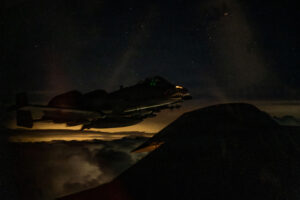
Under the current agreement, up to 15 U.S. military aircraft and hundreds of personnel can operate from Sofia Airport through June 30. Bulgarian officials say the temporary extension is intended to provide sufficient time for allied forces to relocate assets elsewhere in Europe.
Visa Waiver Dispute Takes Center Stage
At the heart of the disagreement is Bulgaria’s long-running effort to join the U.S. Visa Waiver Program.
Bulgaria remains one of the few European Union member states whose citizens still require visas to travel to the United States. Radev said he personally raised the issue during a recent conversation with President Donald Trump and urged Washington to eliminate the requirement.
Those discussions, however, failed to produce an agreement.
The issue has become increasingly politically sensitive inside Bulgaria, where many citizens argue that a NATO ally and EU member should receive the same travel privileges already enjoyed by most other European countries.
More Negotiating Tactic Than NATO Rift
Despite the public disagreement, Bulgarian officials have stressed that the move does not represent a break with NATO or an effort to curtail broader defense cooperation with the United States.
Radev recently reaffirmed Bulgaria’s commitment to the alliance and voiced support for increasing defense spending to meet NATO objectives.
Most analysts view the airport dispute as a pressure tactic aimed at advancing Bulgaria’s visa waiver ambitions rather than a fundamental shift in foreign policy.
Alternative U.S. and NATO facilities remain available in countries such as Romania and Poland, limiting the potential operational impact if the Sofia arrangement expires.
What Happens Next?
Unless a new agreement is reached, U.S. military aircraft and personnel operating under the current framework will need to relocate from Sofia by the end of June.
The White House and Pentagon have not announced any policy changes regarding Bulgaria’s effort to join the Visa Waiver Program, which is governed by statutory requirements involving security benchmarks, information-sharing agreements, and visa-overstay rates.
For now, the dispute serves as an unusual example of a NATO ally leveraging military cooperation in pursuit of a long-standing diplomatic objective.
READ NEXT: Texas Gains Major Power In High-Stakes Court Battle














Immediately cease all United States Funding and any kind of foreign aid to Bulgaria. Pull all of our Military out of Bulgaria and let them defend themselves.
So leave already. We have requirements to authorize visa-free travel from other countries to US and (apparently) Bulgaria doesn’t meet those requirements. They think somehow kicking US military and planes will cause us to change our requirements for visa-free travel? No. Just leave, let NATO ally Bulgaria figure out their security issues going forward…
I am guessing we can live without a few Bulgarian visitors and can land our planes somewhere else. What do the Bulgarians rely on us for and how will they fare without those good or services?