

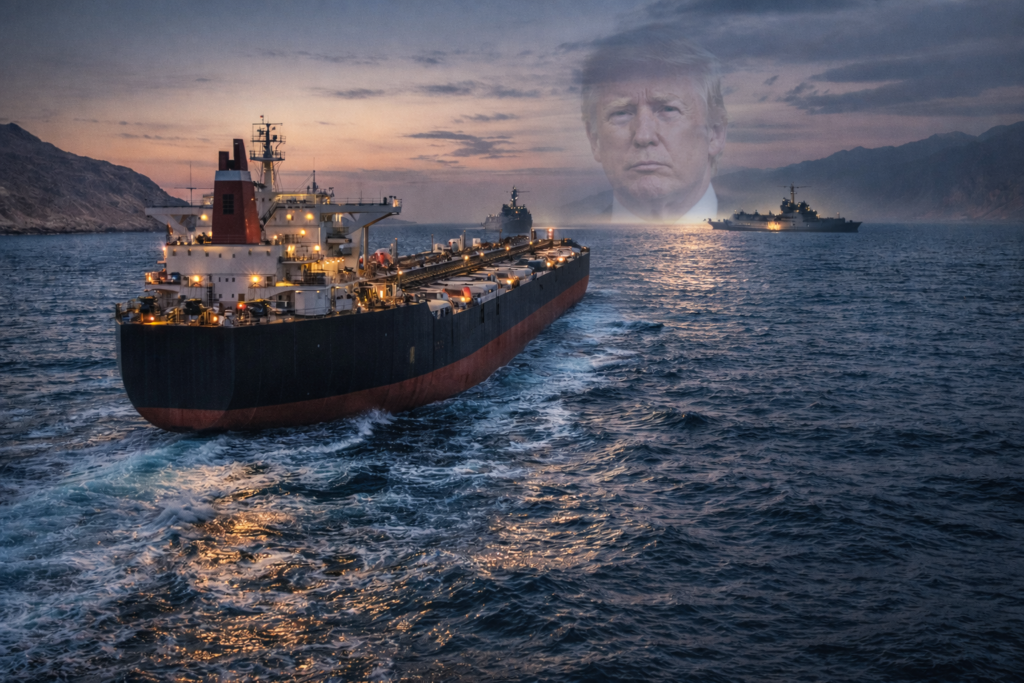
A Chinese-linked oil and chemical tanker successfully transited the Strait of Hormuz this week, becoming the first known vessel to pass through the strategic waterway since President Donald Trump ordered a U.S. naval blockade following the collapse of nuclear negotiations with Iran.
The tanker, Rich Starry, crossed the strait on Tuesday after initially being turned back a day earlier, according to shipping data from Kpler. The vessel was ultimately allowed to proceed because it was traveling from the United Arab Emirates and not to or from an Iranian port — placing it outside the scope of the U.S. blockade.
The passage marked an early test of the Trump administration’s new enforcement posture in one of the world’s most critical energy chokepoints. The Strait of Hormuz carries a significant share of global oil and chemical shipments, and disruptions there have already contributed to rising energy prices amid escalating tensions. (RELATED: Exiled Iranians Aid Efforts To Circumvent Regime Blackout)
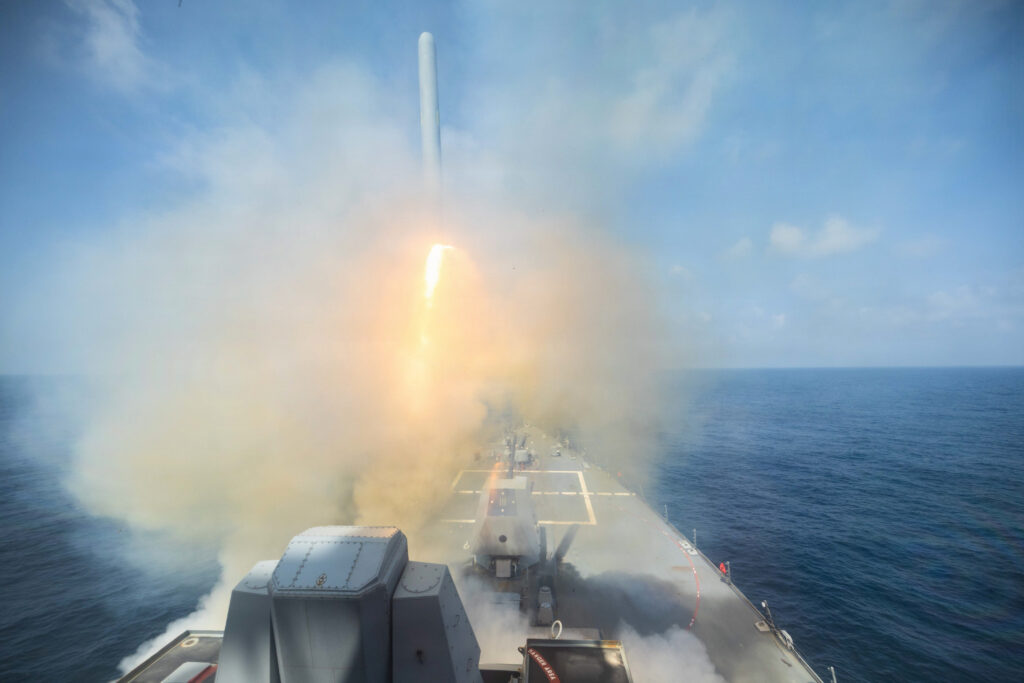
Under the blockade, which took effect Monday morning, the U.S. military is targeting Iranian ports and vessels that have paid tolls to Tehran. Trump announced the move after weekend talks in Islamabad, Pakistan — led by Vice President JD Vance — ended without an agreement.
“Iran is UNWILLING TO GIVE UP ITS NUCLEAR AMBITIONS,” Trump wrote in a Truth Social post Sunday after being briefed on the talks. “There is only one thing that matters… IRAN IS UNWILLING TO GIVE UP ITS NUCLEAR AMBITIONS!”
He added that U.S. forces would “seek and interdict every vessel in International Waters that has paid a toll to Iran,” calling Tehran’s actions in the strait “WORLD EXTORTION.”
“Iran will not be allowed to profit off this Illegal Act of EXTORTION,” the president wrote. “They want money and, more importantly, they want Nuclear.”
The Rich Starry, a medium-range tanker carrying roughly 250,000 barrels of methanol, was sanctioned by the United States in 2023 along with its owner, Shanghai Xuanrun Shipping Company Limited, for dealings with Iran. The vessel sails under the flag of Malawi, although officials in that country have said it has no official registry of ships. Reuters reported the tanker has a Chinese crew on board.
It remains unclear whether the Rich Starry stopped at Iranian ports during its recent journey.
A second sanctioned tanker, Murlikishan, also passed through the strait from the opposite direction and is now in the Persian Gulf, according to The Hill. That vessel, flying under Madagascar’s flag, is reportedly heading to Iraq to load fuel on April 16, according to Kpler. (RELATED: US Faces Stark Choice: Seize Or Destroy Iran’s Strategic Islands)
The tanker movements come amid heightened tensions following a failed diplomatic push between the United States and Iran. Vance, who led the U.S. delegation in Pakistan alongside special envoy Steve Witkoff and adviser Jared Kushner, said negotiations lasted more than 20 hours but ended without progress on the central issue of Tehran’s nuclear program.
“The bad news is that we have not reached an agreement,” Vance said after the talks. “And I think that’s bad news for Iran, much more than it’s bad news for the United States of America.”
According to U.S. officials, Iran has also been a key obstacle to fully reopening the Strait of Hormuz. During a temporary ceasefire, Tehran sought to impose steep tolls on oil tankers traveling through the waterway — an action the Trump administration has rejected and is now attempting to counter through military enforcement.
Despite the breakdown in talks, there are indications that diplomatic efforts could resume as soon as this week. For now, however, the situation remains volatile, with U.S. naval forces beginning enforcement of the blockade and commercial vessels cautiously testing the limits of the new restrictions in one of the world’s most sensitive waterways.
READ NEXT: Eric Swalwell: Taken Out By His Own Democrat Hit Squad









NOW, I AM UNDERSTANDING MORE AND MORE WHY THE USA ARE KEEPING THEMSELVES OUT OF
A. THE REACH OF, AND AND PARTICIPATION IN THE INTERNATIONAL COURT AND ITS DECISIONS, and
B. THUS, OUT OF THE RULES OF INTERNATIONAL LAW (obviously, mistaking their own as competent,
like someone else did between 1939 and 1945 … which was found out, at a later time, very wrong.)