A bombshell lawsuit filed Nov. 24, 2025, accuses Binance and its founder, Changpeng Zhao — fully pardoned by President Trump just weeks earlier — of helping move millions of dollars to foreign terrorist organizations, including Hamas, even after the company’s major 2023 settlement with U.S. authorities.
More than 300 Americans are suing, saying their family members were killed, injured, or taken hostage in the Oct. 7, 2023, Hamas attacks — and that Binance quietly enabled the terror financing behind it. The complaint alleges the exchange allowed more than $1 billion to flow to groups like Hamas, Hezbollah, Palestinian Islamic Jihad, and Iran’s Islamic Revolutionary Guard Corps. At least $50 million was allegedly moved after the Oct. 7 attack.
Plaintiffs say Binance ignored “basic counterterrorism compliance,” creating a system that allowed sanctioned groups to move and hide money with ease.
This legal fight comes on top of Binance’s earlier troubles. The company pleaded guilty in 2023 to major federal violations, paid a record $4.3 billion fine, and saw Zhao step down after pleading guilty to a money laundering–related charge and serving four months in prison.
Then came Trump’s Oct. 23, 2025, pardon — a full, unconditional wipe of Zhao’s conviction.
Finextra Research continues:
Zhao himself was sentenced to four months in prison after pleading guilty to violating the Bank Secrecy Act and causing a financial institution to violate the same act.
Last month, he was pardoned by Donald Trump after months and shortly after The Wall Street Journal reported that the Trump family’s own crypto venture, World Liberty Financial, has been helped by “a partnership with an under-the-radar trading platform quietly administered by Binance”.
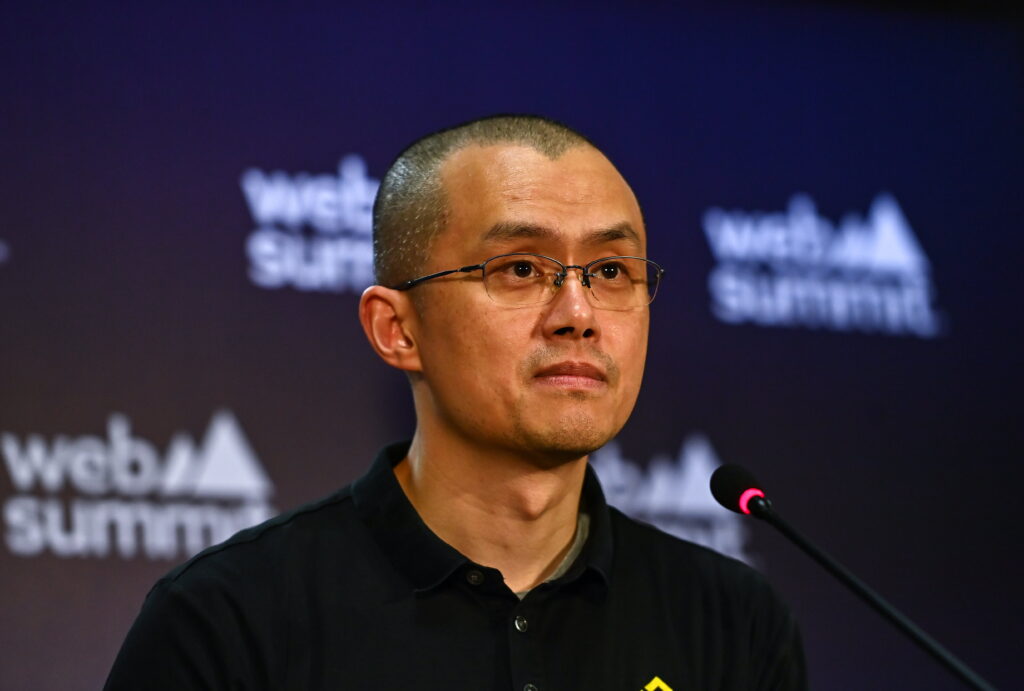
Say lawyers in the suit: “Binance ensures that terrorists and other criminals could deposit and shuffle enormous sums on the exchange with impunity.”
Binance maintains it follows global sanctions laws “consistent with other financial institutions,” but declined to comment on the new case.
The White House defended Trump’s pardon, calling Zhao a victim of “over-prosecution” by the Biden DOJ. Trump himself called the case a “witch hunt” and said his sentence was far harsher than typical penalties for similar compliance failures.
Yet in a November 60 Minutes interview, Trump also said he didn’t personally know Zhao — only that “very good people” urged him to issue the pardon. A White House spokesperson later said “not knowing him” meant Trump had no personal relationship and that the pardon followed a formal review process.
Critics point out that Zhao and Binance had earlier met with the Trump family’s crypto venture — a connection that boosted the project’s international profile and has fueled questions about whether Zhao’s pardon amounted to a favor for a business ally and an industry with deep financial ties to the president.
READ NEXT: Career Violent Felon Fatally Shot After Alleged Knife Attack On Family Member