

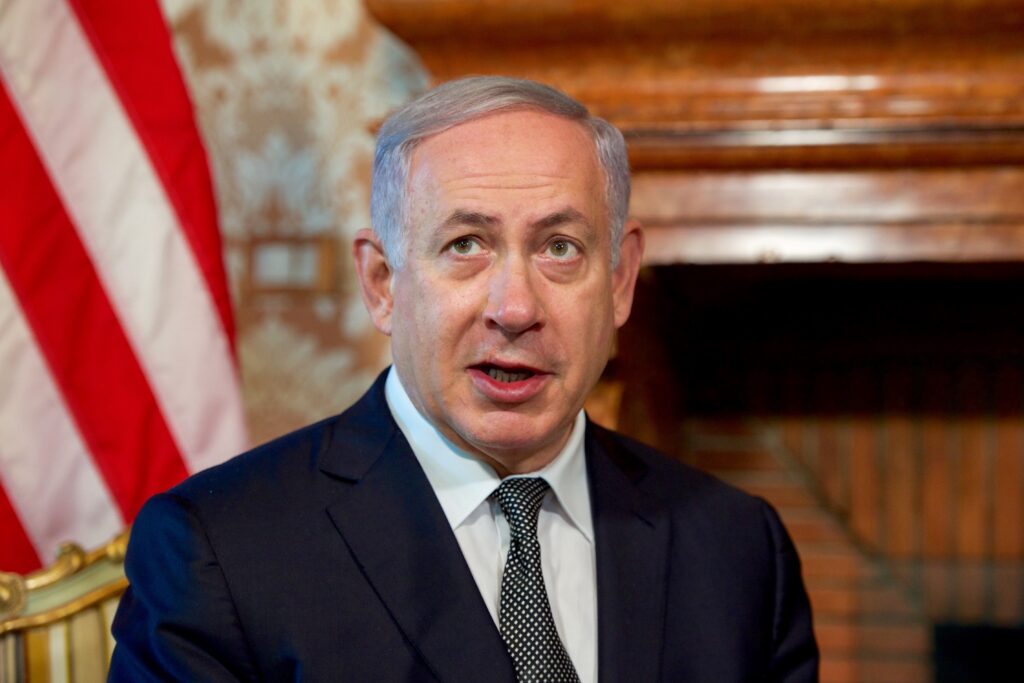
Two critical U.S. allies engage in fierce confrontations…
Turkey and Israel traded unusually harsh accusations over the weekend, pushing an already strained relationship to a new low and raising fresh concerns for those watching from the sidelines.
Turkey’s Foreign Ministry on April 11 issued a blistering response to Israeli Prime Minister Benjamin Netanyahu, saying he has been described as the “Hitler of our time.” The statement marked one of Ankara’s strongest public attacks on Israel’s leadership in years.
The clash followed remarks from Netanyahu accusing Turkish President Recep Tayyip Erdoğan of aligning with Iran and its terrorist proxies and “massacring” Kurdish citizens. It was a pointed escalation from Israel, which has grown increasingly frustrated with Turkey’s criticism during the Gaza war.
Turkey points to legal pressure on Netanyahu
In its response, Turkey argued that Netanyahu is lashing out while under growing international scrutiny. The ministry cited the International Criminal Court’s November 2024 arrest warrant, which accuses Netanyahu of war crimes and crimes against humanity.
Ankara also suggested that Israel’s rhetoric is driven by anger over Turkey’s vocal stance on Gaza in international forums. Turkish officials said they will continue to support civilians and press for accountability.
The language reflects a broader shift. Turkey has moved from measured criticism earlier in the conflict to direct personal attacks on Israel’s leadership.
Israel defends its position
Netanyahu has framed Israel’s actions as part of a wider effort to counter Iran and its network of militant groups. His criticism of Erdoğan fits into that larger message, as Israel tries to rally support against what it sees as a growing regional threat.
The exchange comes as tensions across the Middle East remain high, with a fragile U.S.-Iran ceasefire under strain and the risk of wider conflict involving Israel, Iran, and the United States if the truce collapses.
Fallout reaches NATO
The dispute is not just bilateral. It is starting to affect NATO, where both countries have important ties.
Turkey, a NATO member since 1952, is set to host the alliance’s next summit in Ankara on July 7-8, 2026. That gives Ankara added leverage at a sensitive moment.
At the same time, Turkey has already used that leverage. Reuters reported in August 2024 that Ankara blocked certain NATO cooperation efforts with Israel over the Gaza war, arguing the alliance should not deepen ties while the conflict continues.
That puts NATO in a difficult position. Israel is not a member but works closely with the alliance on security issues, particularly in intelligence and defense coordination.
Limits of NATO action
Despite periodic calls from critics to push Turkey out of NATO, the alliance has no formal mechanism to expel a member. The North Atlantic Treaty allows countries to leave voluntarily, but not to be removed.
That reality limits how far internal disputes can go, even when tensions run high.
A volatile relationship with wider stakes
For now, the Erdoğan-Netanyahu clash remains largely rhetorical. But the language is sharper than before, and the timing matters.
Both countries are key U.S. partners in a region under tremendous strain. When their relationship deteriorates, it complicates diplomacy, security coordination, and alliance politics.
Whether this latest exchange leads to concrete actions or fades as another round of heated rhetoric is still unclear. What is clear is that the gap between Ankara and Jerusalem is widening, not narrowing.
READ NEXT: Bombshell Left-Wing Ruling Sends Shockwaves Through Trump Investigation



















Let me see, what Country again was an ally of Adolph Hitler?????