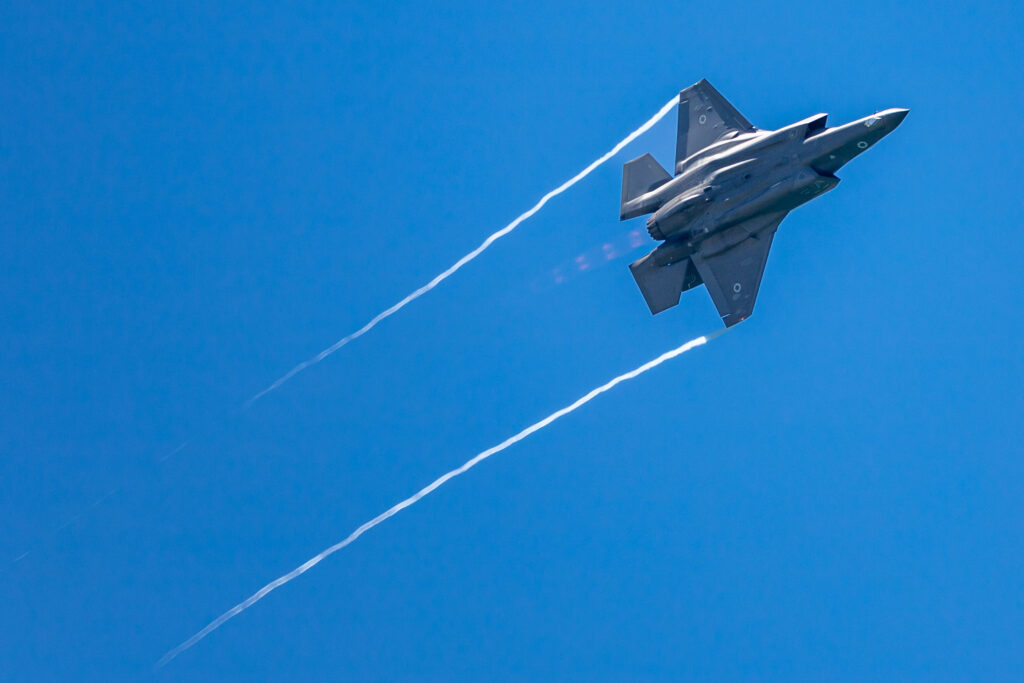
The U.S. military launched a new round of strikes against Iranian military targets Tuesday, retaliating after a series of attacks on commercial vessels in the Strait of Hormuz that U.S. officials said violated a recently negotiated ceasefire and threatened international shipping.
U.S. Central Command (CENTCOM) said the operation was intended to impose “heavy costs” on Iran after attacks on three merchant vessels transiting one of the world’s busiest maritime chokepoints. The military described the strikes as a direct response to what it called Iran’s “dangerous and unwarranted aggression” against civilian-crewed ships.
U.S. Central Command forces have begun launching a series of powerful strikes against Iran to impose heavy costs for targeting and attacking commercial shipping crewed by innocent civilians in an international waterway. The U.S. strikes are in response to Iranian attacks on three…
— U.S. Central Command (@CENTCOM) July 7, 2026
CENTCOM Targets Iranian Military Sites
According to U.S. officials, the strikes targeted facilities tied to Iran’s missile, drone and maritime forces.
CENTCOM did not immediately release a full damage assessment but said the operation focused on degrading capabilities used to threaten commercial shipping in and around the Strait of Hormuz.
The latest action follows a previous round of U.S. strikes in late June against Iranian missile storage sites, drone facilities, and coastal radar installations after Tehran attacked a commercial cargo vessel.
Tanker Attacks Prompt Retaliation
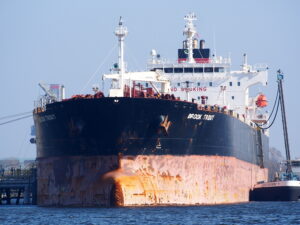
The operation came after multiple commercial vessels were attacked near Oman over the past 24 hours.
British maritime authorities reported that at least two tankers were struck, including the Qatari liquefied natural gas carrier Al Rekayyat, which caught fire after being hit by a projectile. Qatar blamed Iran for the attack, calling it a violation of international law and accusing Tehran of endangering international navigation.
Iranian state media claimed one of the vessels had ignored Tehran’s navigation warnings but stopped short of officially claiming responsibility for the attack.
U.S. Restores Oil Sanctions
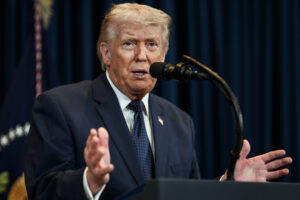
Alongside the military operation, the Trump administration revoked a sanctions waiver that had permitted limited Iranian oil exports under the two countries’ interim memorandum of understanding.
Administration officials said the waiver depended on Iran complying with the ceasefire and allowing the free passage of commercial shipping through the Strait of Hormuz.
“The agreement was performance-based,” one administration official said, arguing Iran forfeited sanctions relief by violating its commitments.
Ceasefire Under Pressure
The latest exchange marks the most serious escalation since Washington and Tehran agreed to extend a fragile ceasefire intended to reopen the Strait of Hormuz and resume negotiations over Iran’s nuclear program.
Those diplomatic efforts have largely stalled following the renewed military exchanges, with additional talks remaining on hold.
The Strait of Hormuz carries roughly one-fifth of the world’s oil and liquefied natural gas exports, making any disruption a significant threat to global energy markets.
Regional Tensions Escalate
The strikes also came as Iran continues funeral ceremonies for Supreme Leader Ayatollah Ali Khamenei, whose death has added another layer of uncertainty to an already volatile region.
With both countries again exchanging military strikes and diplomacy at a standstill, the latest confrontation raises fresh concerns about stability in one of the world’s most strategically important waterways.
This is a breaking news story. Please check back for updates.
READ NEXT: The Unusual Souvenir Trump Wants To Keep