Limited disclosures raise new questions about campus security, transparency
Utah Valley University has released dozens of heavily redacted documents tied to the Sept. 10, 2025, assassination of conservative activist Charlie Kirk, offering only a partial account of the events and prompting renewed scrutiny of the school’s security planning.
The records, obtained through a public records request by the Daily Caller News Foundation, include 50 documents, mostly internal emails and communications among university staff. Large portions of the material are blacked out, and additional records were withheld under legal exemptions, leaving significant gaps in the timeline.
Emails show limited pre-event coordination
Among the few readable exchanges is a Sept. 8 email approving Kirk’s group to use amplified sound on campus.
“I don’t see a problem with this, [redacted],” one recipient wrote.
Another message sent the day before the shooting referenced an attempt to contact Kirk directly.
“[Redacted] wants us to get a message to Charlie Kirk,” the Sept. 9 email stated, including a phone number.
Utah Valley University Police Chief Jeff Long did not respond to a request for comment.
Details of the attack
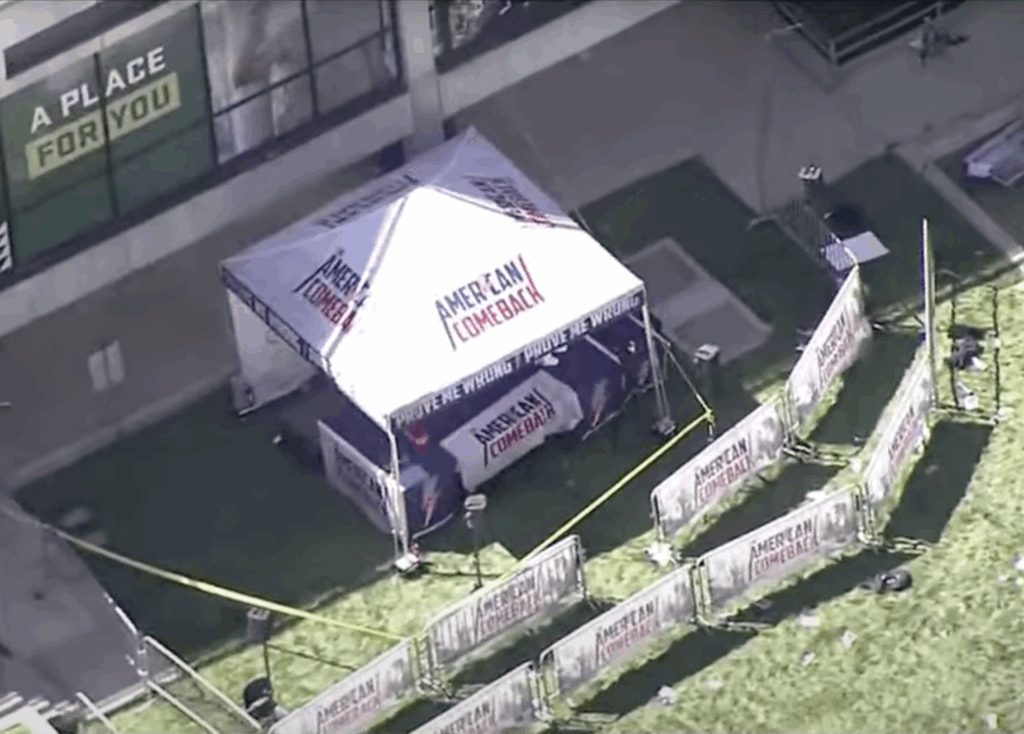
The shooting took place during an outdoor Turning Point USA event that drew about 3,000 attendees.
Authorities say 22-year-old Tyler Robinson carried a rifle concealed in his pant leg across campus, climbed to the roof of the Losee Center, and fatally shot Kirk with a single round before fleeing.
A 33-hour manhunt ended when Robinson surrendered after his parents recognized him in FBI-released images and urged him to turn himself in.
Prosecutors say Robinson had expressed opposition to Kirk’s political views after beginning a relationship with a transgender roommate, who is expected to testify.
Security failures under scrutiny
The university’s security arrangements have come under sharp criticism.
Only six campus police officers were assigned to the large gathering. There were no ticketing controls or metal detectors in place.
Utah Republican State Rep. Ryan Wilcox called the setup “a complete disaster.”
In response, the university said it would review its security procedures.
Warnings before the shooting
Questions have also emerged about whether prior warnings were ignored.
Brian Harpole, who led Kirk’s private security team, said he raised concerns about rooftop access before the event. He said he contacted Chief Long about the risk of someone accessing the roof of the Sorenson Center, which overlooked the event area.
According to Harpole, Long assured him the area would be secured, writing, “I got you covered.”
“What else am I to do when a command-level person from an accredited police department says, ‘I’ve got this area’?” Harpole said in a November interview. He added that officials have yet to fully account for the failure.
University defends redactions
University officials defended the extensive redactions, citing state laws that allow records to be withheld if disclosure could jeopardize public safety, compromise ongoing investigations or violate privacy protections.
Nine redactions were linked to active law enforcement matters and fair trial rights. Two others were attributed to attorney-client privilege.
The university also acknowledged that additional responsive records exist but were not released.
The newly disclosed documents include partially redacted photos showing campus updates after the shooting, including the installation of a large American flag. Faces in the images were obscured.
Ongoing concerns about transparency
The latest release marks the second time the university has limited access to information about the incident. It previously denied a request from FOX13 News for the event’s security plan, citing similar legal exemptions. Robinson’s legal team supported keeping those materials sealed.
Critics have also pointed to past efforts by university officials to block a memorial for Kirk, further fueling concerns about institutional bias.
Unanswered questions remain
Chief Long acknowledged shortcomings on the day of the shooting.
“We train for these things, and you think you have things covered and — you know, these things, unfortunately, they happen,” he said. “You try to get your bases covered and unfortunately, today, we didn’t.”
As Robinson’s case moves forward, the limited disclosures have intensified questions about what officials knew ahead of time and whether stronger safeguards could have prevented the attack.
For now, the records offer only fragments, leaving key questions about security failures and transparency unresolved.
READ NEXT: Bombshell Report Accuses Eric Swalwell Of Sexual Assault