

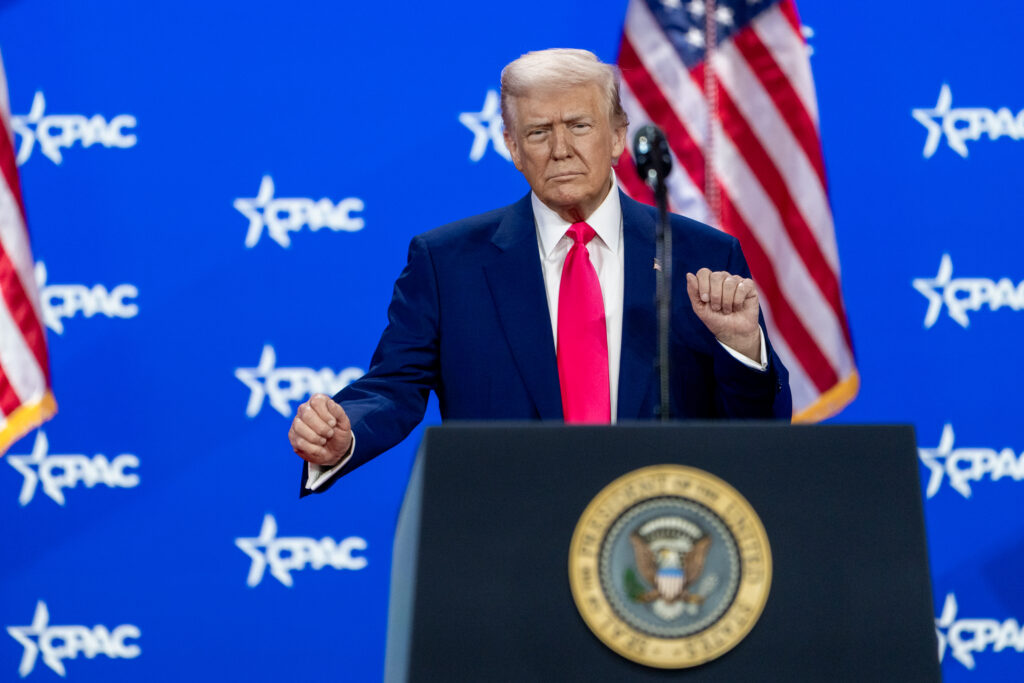
President Donald Trump has formally announced the details of a sweeping new tariff regime, dubbed the “Liberation Day” trade overhaul, aimed at reshaping America’s economic posture on the global stage and penalizing countries he accuses of decades of abuse, theft and manipulation.
🔹 Key Elements of the Tariff Plan:
-Universal 10% Baseline Tariff:
All imported goods will now face a minimum 10% tariff, with the goal of encouraging domestic manufacturing and reducing U.S. reliance on foreign supply chains.
-50% Tariffs on Chinese and Mexican Goods:
In response to what Trump considers brazen defiance of U.S. sovereignty, most consumer goods and industrial components from China and Mexico will now face a 50% tariff, effective immediately.
-Targeted Tariffs on Foreign-Owned U.S. Manufacturing Plants:
Foreign automakers with plants in the U.S. will face new tariffs if components are not sourced domestically, incentivizing reshoring of entire supply chains.
-Tariffs on “Hostile State” Tech and Infrastructure:
New duties on solar panels, semiconductors, electric vehicles and green energy components made in nations deemed security threats.
🔹 Trump’s Speech:
President Trump Participates in the Make America Wealthy Again Event https://t.co/CDX2abcJ7J
— The White House (@WhiteHouse) April 2, 2025
🔹 Industry and Market Reactions:
-Manufacturing and defense sectors rallied, while retailers and tech firms voiced concerns about rising costs and supply chain disruption.
-Beijing and Mexico City both vowed retaliation, with rumors of counter-tariffs on U.S. agriculture, energy, and automotive exports.
🔹 What’s Next?
Trump has indicated the White House is open to bilateral renegotiations with trade partners who wish to avoid long-term tariff escalation—but only on terms that restore “economic respect” for the U.S.
This is a breaking news story. Please check back for updates.
READ NEXT: Legislative Logjam: Meet Every Republican Wreaking Havoc On Progress












I am not opposed to equalizing tariffs. However, Trump is targeting businesses like TEMU and Shein, because they are openly featuring Chinese products. The problem is that, if one shops “American”, in places like Walmart, Target, Amazon and most other big stores, most of their products come from…China. So, those prices will go up. The reason so many of us go to TEMU and others is that we can’t afford “American” stores and their products. Without Dollar Tree, if we had to pay for a box of laundry detergent alone, , that would break the budget. We walk a fine line here…people who throw everything onto their credit cards with an “oh, well” attitude just allow themselves to be overdrawn without seeing the money leave their hands (but it does). American stores have gone for decades with goods “Made in Japan, Taiwan, Bangladesh, etc.”, rather than in America, because American goods price themselves right out of existence. For me (and others), you start adding to the prices of everything, and my budget is down the tubes, and I’ll have to join the food stamp crowd. This little attempt may put many of us out of existence. I’ll continue to buy from sources like TEMU until American products can meet my budget structure. If the Administration thinks this will help American business, just wait until so many more of us are restricted from buying in these outlets The government can’t attack the very sources that keep us from declaring poverty. Rather, they should be exploring the benefits of these outlets that allow us to keep a few dollars in our pockets. American business is vicious and has no concept of the economic status of many of us out here in never-never land. We’re just trying to keep our heads above water.