The Federal Trade Commission (FTC) is taking a bold step in addressing concerns about censorship by Big Tech companies, opening an official request for public comments regarding the issue. The move follows growing allegations that large technology platforms have been engaging in politically motivated censorship, particularly in cases where individuals have faced consequences for expressing disfavored political views. The request for public feedback signals that the FTC, led by Commissioner Andrew Ferguson, intends to scrutinize these practices and potentially take action to curtail them.
The public comment request, detailed in a draft document obtained by the Daily Caller, specifically invites Americans to share their experiences with Big Tech companies. It asks users whether they have ever been suspended, banned, shadow-banned, or had their services degraded by technology platforms due to their political speech. The FTC also wants to know if users have faced punitive measures for participating in certain groups or engaging in activities outside of these platforms that may have been seen as politically unfavorable.
“In case there was any doubt, Big Tech is on notice,” said a senior FTC official. “We do not intend to take our foot off the gas any time soon. The days of censorship and monopolies are over.” The official’s statement reflects the agency’s commitment to investigating the issue of censorship and ensuring that tech companies are held accountable for any anti-competitive or illegal practices related to content moderation.
The FTC’s draft document highlights growing concerns about the opacity of content moderation practices. Big Tech companies, the agency argues, may use “opaque or unpredictable” internal policies that differ from official terms of service to censor speech. Moreover, the platforms often do not provide users with clear explanations or notifications about why content is removed or accounts are penalized, and they may offer limited opportunities for users to appeal these decisions.
These practices, the FTC suggests, could constitute violations of anti-competitive laws. By potentially suppressing certain viewpoints or restricting users’ access to platforms without clear justification, Big Tech companies could be engaging in behavior that harms consumers and stifles free expression.
The FTC is also interested in understanding whether government pressure has played a role in these censorship decisions. The draft document specifically asks if users believe Big Tech companies have been motivated to censor content in response to local, state, or federal government demands. This comes on the heels of a lawsuit filed by state attorneys general from Missouri and Louisiana, which alleges that the Biden administration colluded with social media companies to censor Americans’ political opinions, particularly concerning criticism of the administration’s handling of public health policies during the COVID-19 pandemic.
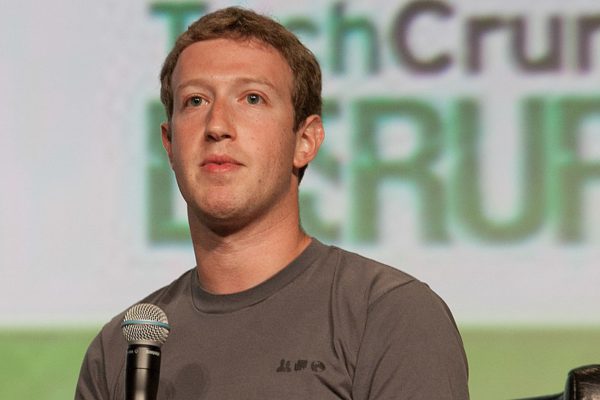
The debate over government involvement in content moderation was reignited when Meta CEO Mark Zuckerberg revealed in an interview with podcaster Joe Rogan that Biden administration officials had exerted significant pressure on his company. Zuckerberg described instances where government officials “yelled and cursed” at Meta employees, demanding the removal of content they deemed harmful or untrue.
READ NEXT: Biden-Harris Regime’s FTC: Punishing Entrepreneurs And Killing Innovation