







U.S. Immigration and Customs Enforcement (ICE) has significantly expanded its surveillance infrastructure, signing multimillion-dollar contracts for advanced tracking, hacking, and facial recognition technologies. The new tools are designed not only for immigration enforcement, but also at domestic protest movements the Trump administration has linked to Antifa and anti-ICE activism, according to a Washington Post investigation.
Newly uncovered federal procurement records show ICE spent a staggering $1.4 billion on contracts in September alone — its highest monthly spending in nearly two decades — with much of the money allocated toward surveillance and investigative technologies.
Surveillance Tools: From Facial Recognition to Spyware
Among the key acquisitions:
- $4.6 million mobile iris-scanning platform, enabling ICE agents to instantly match biometric data in the field against federal databases.
- $3.75 million contract with Clearview AI, granting the agency access to one of the largest known facial recognition databases, containing billions of images scraped from social media and public sites.
- Commercial spyware tools capable of bypassing encryption and extracting data from locked smartphones, raising alarms among digital privacy advocates.
- Social media and geolocation monitoring platforms, including Penlink’s Tangles and Weblocs, which allow analysts to track suspects’ online activity, cell phone locations, and interactions on platforms such as TikTok, Facebook, Reddit, WhatsApp, X (formerly Twitter), and others.
The Post reports these technologies will be deployed as part of long-term investigations into immigration offenses and protest networks described by the Trump administration as radical or “Antifa-linked.”
Political Mandate Drives Expansion
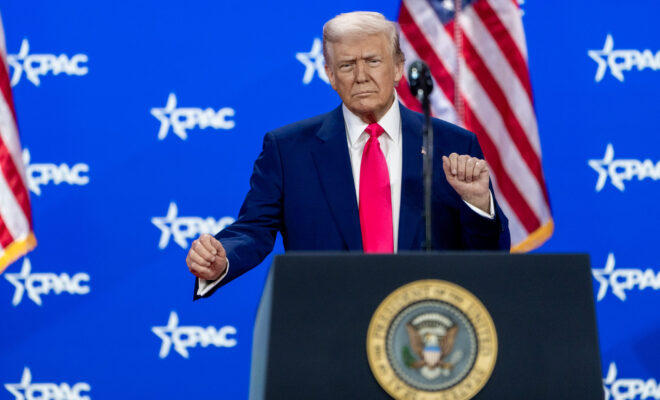
The surveillance build-up follows a directive issued by President Donald Trump over the summer designating Antifa as a domestic terror threat and called for federal agencies to target “anti-ICE protest ringleaders.”
Acting ICE Director Todd Lyons confirmed the shift in investigative priorities, stating the agency would begin “reallocating resources to investigate extremist threats against federal officers and immigration centers as a matter of national security.”
Former ICE Official: “This Is Unprecedented”
Critics warn the new technologies represent a significant leap in federal surveillance power — with minimal oversight.
“These acquisitions raise substantial concerns,” said John Sandweg, who served as acting ICE director under President Obama. “ICE may now possess surveillance capabilities on par with elite counterterror units, but without the same oversight mechanisms or legal constraints.”
Civil liberties organizations are also sounding the alarm. They argue the use of such tools without clear warrant requirements threatens core constitutional protections, particularly on First Amendment-protected protest and the Fourth Amendment.
ICE has not clarified whether warrants will be required before deploying tools like phone-hacking software or real-time location tracking. An agency spokesperson told the Post that usage policies are still being drafted.
Support from the Right, Scrutiny from the Left
The expansion has received mixed reactions.
The White House has defended the purchases, describing the measures as critical to combating what it calls an “escalating domestic extremist threat.”
But some warn ICE’s newly acquired powers could set a dangerous precedent for other domestic agencies.
What’s Next
With ICE’s surveillance arsenal rapidly expanding, the debate now turns to oversight and accountability.
Meanwhile, privacy groups are preparing legal challenges and public campaigns to demand transparency around how these technologies are deployed — and on whom.
READ NEXT: Chicago Mayor Declares ‘ICE-Free Zones’ Via Executive Order






















Somebody needs to track them; they’re America’s home-grown enemies.