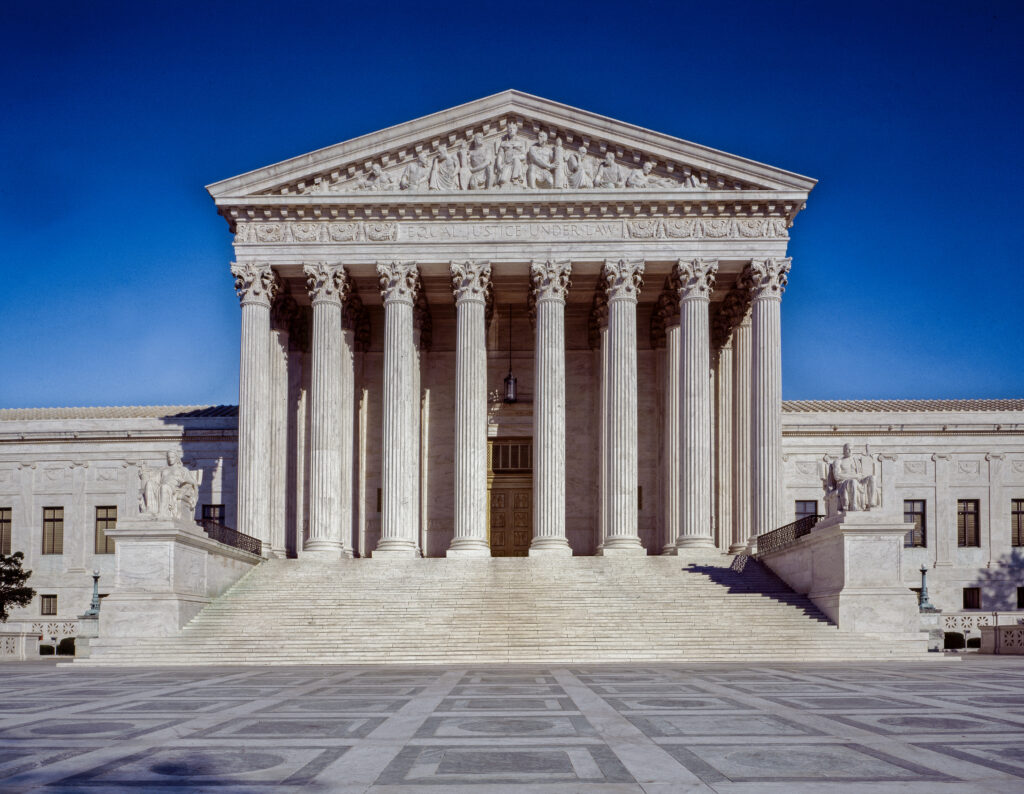
The Supreme Court on Thursday handed a victory to property owners seeking compensation for assets seized by Cuba’s communist regime, siding with a position backed by the Trump administration in a major dispute over claims tied to Fidel Castro-era confiscations.
In an 8-1 ruling, the justices revived lawsuits brought by Havana Docks Corporation, a U.S.-owned company seeking damages under the Helms-Burton Act over the use of property confiscated during the Cuban Revolution.
According to reporting from The New York Times and The Hill, the dispute centers on whether Havana Docks can continue pursuing claims against cruise lines that operated through the Port of Havana decades after the company lost control of the property.
Before Fidel Castro’s government seized the port, Havana Docks held a 99-year concession granting it rights to operate the facility. The company later invoked the Helms-Burton Act — a 1996 law allowing U.S. nationals to seek damages from entities accused of “trafficking” in confiscated Cuban property — to sue cruise operators over voyages that used the port.
Havana Docks previously secured a roughly $440 million judgment, but a federal appeals court later overturned that award, concluding that the company’s property interest had expired before the cruise lines used the docks.
The Supreme Court rejected that interpretation.
“We disagree,” Justice Clarence Thomas wrote for the court’s majority opinion. “The Act generally makes those who use property tainted by a past confiscation liable to any United States national who owns a claim to that property.”
Justice Elena Kagan was the lone dissenter.
“What Havana Docks owned was only a property interest allowing it to use those docks for a specified time,” Kagan wrote. “And that time-limited interest expired in 2004 — more than a decade before the cruise lines ever used the docks.”
Congress enacted the Helms-Burton Act in 1996 as part of broader efforts to strengthen the U.S. embargo against Cuba. The legislation was passed amid heightened tensions following the downing of two civilian aircraft by the Cuban regime.
The ruling also arrives one day after the Justice Department unsealed an indictment connected to that incident. Prosecutors charged Raúl Castro, Fidel Castro’s brother and successor, with approving the operation, according to court filings.
The Supreme Court is separately considering another Helms-Burton dispute involving the confiscation of an oil refinery and service stations once owned by an Exxon subsidiary. A decision in that case is expected later this summer.
This is a breaking news story. Please check back for updates.