
Good morning. A California Army veteran known for his pro-Trump home display has died following a brutal assault outside his property, a legal watchdog is escalating efforts to uncover alleged pandemic-era records concealment inside Anthony Fauci’s agency, and Republicans in South Carolina suffered a major setback in a Trump-backed effort to redraw congressional maps ahead of the 2026 midterms.
Army Veteran Known for ‘Trump House’ Dies After Brutal California Assault
An Army veteran whose heavily decorated pro-Trump home became a local landmark in Southern California has died days after a violent attack outside his residence, turning what was initially an attempted murder investigation into a potential homicide case.
Kerry Sheron, 69, died Sunday night after remaining in critical condition following the assault outside his Escondido home last Wednesday, according to his wife, Maria Sheron.
Sheron had become widely known in the community because of his property, often referred to locally as the “Trump House,” which prominently displayed large American flags, patriotic banners, and pro-Trump messages. Over the years, the house attracted both admiration and hostility.
Authorities say officers responding to reports of an assault found Sheron suffering severe injuries outside the home near East Mission Avenue and Buchanan Street. A bystander who attempted to intervene was also injured during the confrontation.
Police later arrested 32-year-old Thomas Butler nearby. Butler has already pleaded not guilty to charges including attempted first-degree murder, elder abuse causing great bodily injury, battery, and making criminal threats. He remains jailed without bail.
Officials have not yet announced whether the charges will be upgraded following Sheron’s death.
Even in her own grief, Maria Sheron spoke publicly with striking compassion.
“I feel a lot of pain in my heart,” she said, before expressing sympathy for the accused attacker’s family. “I’m feeling bad for the mother for the guy who do that, because he ruined his life.”
On Monday morning, supporters gathered outside the home waving American flags and leaving flowers in tribute.
Neighbor Jim Gillie described Sheron as a patriot whose commitment to free expression mattered more than partisan politics.
“Kerry was a Trump supporter, but he was a patriot first,” Gillie said. “He was a strong believer in freedom of speech.”
The incident unfolds against a broader backdrop of increasingly heated political confrontations and violence nationwide.
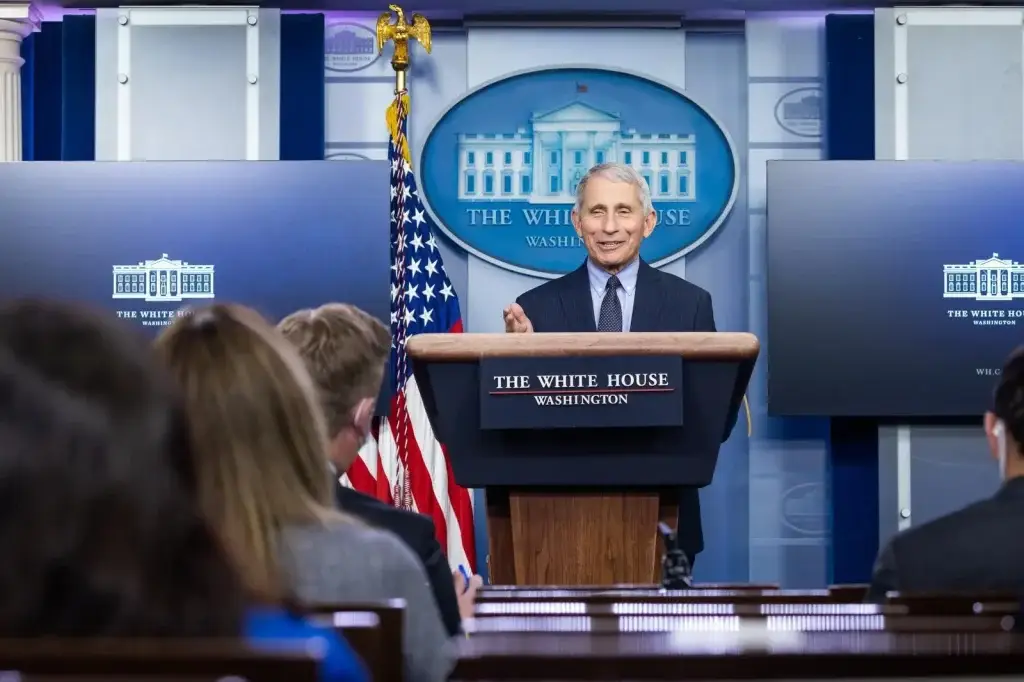
Judicial Watch Sues for Fauci Emails Allegedly Hidden From Public Records Requests
A conservative watchdog group is escalating its investigation into pandemic-era government communications after filing a federal lawsuit seeking records tied to a National Institute of Allergy and Infectious Diseases employee accused of helping officials evade federal disclosure laws.
Judicial Watch announced this week that it filed a Freedom of Information Act lawsuit seeking communications between longtime NIAID FOIA officer Margaret Moore and several top federal health officials, including former NIAID Director Anthony Fauci.
The lawsuit follows explosive allegations that Moore — referred to by some congressional investigators as the “FOIA Lady” — advised senior Fauci aide David Morens on how to conceal communications from public records requests.
Judicial Watch points to previously uncovered emails in which Morens allegedly wrote that he preferred using personal Gmail accounts because his NIH email was constantly subject to FOIA scrutiny.
In one message cited by congressional investigators, Morens allegedly stated: “Don’t worry, just send to any of my addresses and I will delete anything I don’t want to see in the New York Times.”
The lawsuit seeks emails involving Moore and several prominent figures tied to pandemic decision-making, including Fauci, Morens, NIH bioethics official Christine Grady, and EcoHealth Alliance president Peter Daszak.
Congressional investigators previously launched probes into whether NIH officials improperly used private email accounts, deleted records, or circumvented federal transparency laws while handling politically sensitive pandemic discussions — including matters involving the Wuhan Institute of Virology in China.
The controversy deepened further in April 2026 when the Justice Department indicted Morens on allegations involving destruction of federal records, evasion of FOIA requirements, and concealment of COVID-related communications.
Judicial Watch President Tom Fitton said the lawsuit is ultimately about public accountability.
“Key decisions were made behind closed doors at Dr. Fauci’s agency during the pandemic,” Fitton said. “The American people have a right to know what was hidden from them.”
South Carolina Republicans Kill Trump-Backed Redistricting Push
A Trump-backed effort to redraw South Carolina’s congressional map ahead of the 2026 midterms effectively collapsed Tuesday after Republican lawmakers joined Democrats to block the proposal in the state Senate.
The failed effort would have reopened South Carolina’s congressional map in the middle of the decade — part of a broader national strategy to strengthen partisan advantages before the next battle for control of the House of Representatives.
Instead, the Senate’s refusal to end debate preserved the state’s current 6 Republican–1 Democrat congressional map, protecting the district represented by longtime Democratic Congressman Jim Clyburn.
Several lawmakers cited logistical and legal concerns, particularly because early in-person voting for the June primary had already begun.
Critics argued that changing district lines mid-election risked disenfranchising voters and potentially invalidating ballots already cast.
State officials also warned the process could cost taxpayers as much as $6 million if officials were forced to cancel and restart parts of the election process under a revised map.
Some conservative Republicans further argued the plan was politically risky, warning that aggressively redistributing Democratic voters could unintentionally weaken neighboring Republican districts.
The collapse underscores the growing complexity of 2026 redistricting battles, where both parties are aggressively pursuing every possible advantage while navigating shifting legal standards and razor-thin electoral margins.
Across the South and other battleground regions, congressional maps have become one of the most important fronts in the fight for control of Congress.
READ NEXT: Judicial Watch Uncovers FBI Inquiry Into NIH’s Wuhan Grant