Good morning.
Congress is taking another swing at ending the twice-yearly ritual of changing the clocks, Meta is betting billions on artificial intelligence with a massive new data center north of the border, and a new Gallup poll suggests Americans are losing confidence in nearly every major institution.
House Advances Bill to Make Daylight Saving Time Permanent
The House overwhelmingly voted Tuesday to advance legislation that would allow states to permanently observe daylight saving time, reviving a long-running debate over whether Americans should continue changing their clocks twice each year.
The Sunshine Protection Act passed 308-117, with broad bipartisan support despite regional divides over the proposal. If approved by the Senate and signed by President Donald Trump, states could choose to remain on daylight saving time year-round, eliminating the spring and fall clock changes.
Backers argue longer evening daylight would boost tourism, outdoor recreation and local businesses. President Trump has repeatedly endorsed ending the biannual clock changes, and the White House reportedly encouraged lawmakers to support the legislation, describing it as a “common-sense reform.”
Not everyone is convinced.
Opponents warn that permanent daylight saving time would leave much of the country in darkness during winter mornings, with some northern states not seeing sunrise until after 9 a.m. Critics also argue permanent standard time better aligns with the body’s natural circadian rhythm and point to the nation’s brief experiment with year-round daylight saving time in the 1970s, which was ultimately repealed after public backlash.
The bill now moves to the Senate, where similar legislation passed in 2022 but ultimately stalled before reaching the president’s desk.
Meta Heads North With $13 Billion AI Investment
Meta announced that it will build its first artificial intelligence data center in Canada, marking another major investment as the race to dominate AI infrastructure accelerates.
The company plans to spend more than 13 billion Canadian dollars on the facility in Alberta, describing it as a one-gigawatt, AI-optimized campus designed to support its next generation of artificial intelligence products.
The project is expected to create more than 3,000 construction jobs at peak activity and roughly 300 permanent positions once operations begin. Meta also pledged additional investments in local infrastructure and nonprofit organizations.
The company says the facility will operate using 100 percent renewable energy and employ a closed-loop liquid cooling system that dramatically reduces water consumption—a notable promise given growing concerns over the enormous electricity and water demands of modern AI data centers.
Those concerns have fueled increasing public skepticism.
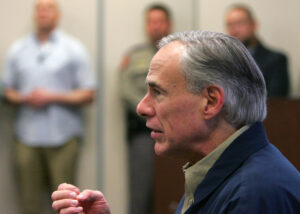
Recent polling shows most Americans oppose new AI data centers in their own communities, citing worries about resource consumption, environmental impacts and growing distrust of large technology companies. Texas Gov. Greg Abbott recently suggested limiting future AI data center development in certain rural parts of his state, arguing the projects conflict with local priorities.
Even as public concern grows, Meta continues expanding aggressively. The company recently launched a workforce training initiative for American data center construction jobs and plans to begin manufacturing its own AI chips later this year as it races to increase computing capacity.
Americans Say They Trust Almost Nothing Anymore
If it feels like confidence in America’s institutions is wearing thin, a new Gallup poll suggests that perception is grounded in reality.
The survey, released Tuesday, found trust in nearly every major institution hovering at or near historic lows, with confidence increasingly divided along partisan lines.
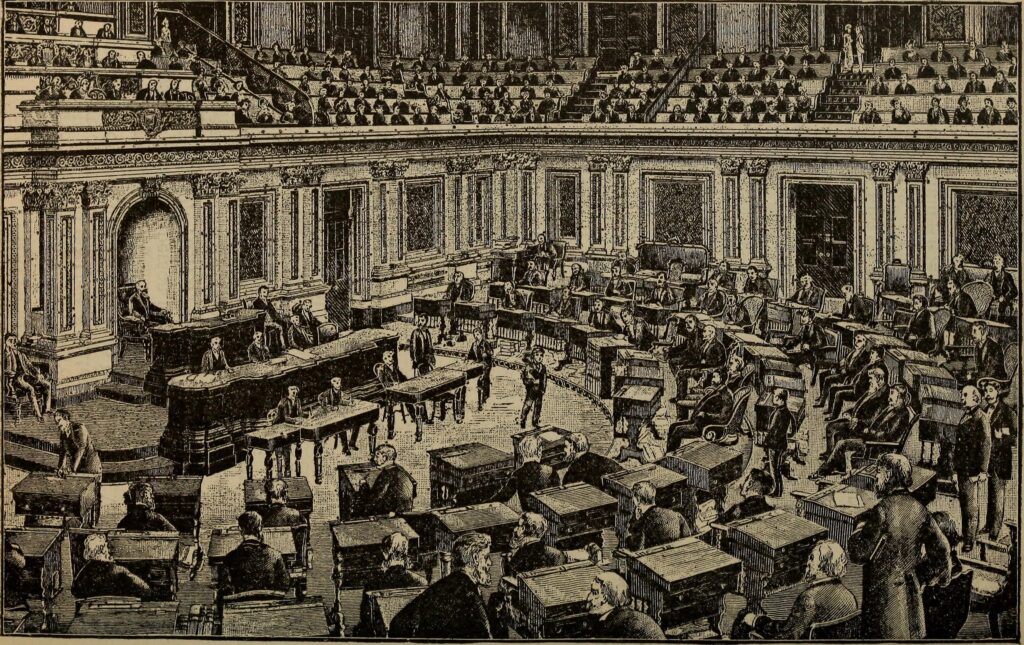
Congress once again finished near the bottom of the rankings, with just nine percent of Americans expressing a high level of confidence. Television news, newspapers, public schools, the criminal justice system and big business all posted similarly weak numbers.
Even traditionally well-regarded institutions have seen significant erosion. Confidence in the medical system fell to its lowest level ever, while trust in the military, police, organized religion and the Supreme Court all remained just above their historic lows.
Higher education and major technology companies also continued their long-term decline in public confidence.
One notable exception remains small business, which once again ranked as the nation’s most trusted institution.
Gallup found that political identity increasingly shapes which institutions Americans trust. Republicans expressed substantially greater confidence than Democrats in institutions such as the military, police, the presidency and the Supreme Court, while Democrats reported much higher confidence in higher education, newspapers and television news.
READ NEXT: Trump Opposes Daylight Saving Time, Calling It ‘Inconvenient’ And ‘Costly’