
Good Morning.
From Washington budget battles to a dangerous kidnapping overseas and rising costs hitting travelers at home, the day’s headlines reflect policy decisions and global tensions are increasingly intertwined.
DHS Funding Deal Moves Forward After Shutdown Standoff
After weeks of gridlock and a partial shutdown, Republicans in Congress are pushing forward a plan to fully fund the Department of Homeland Security through May—without the immigration enforcement limits demanded by Democrats.
The proposal would restore funding across DHS agencies, including Immigration and Customs Enforcement and Customs and Border Protection, while omitting restrictions prohibiting masks and requiring warrants.
The standoff began when the Senate advanced a narrower funding package that excluded key immigration enforcement provisions. House Republicans rejected it, as it left border security underfunded and operationally constrained.
The prolonged impasse has already taken a toll, contributing to airport disruptions, unpaid federal workers, and broader strain across DHS operations. While the new plan may resolve the immediate funding gap, the deeper policy divide over immigration enforcement remains unresolved—and likely to resurface.
American Journalist Kidnapped in Iraq
A sense of urgency is building overseas after an American journalist was kidnapped in Baghdad, triggering a joint effort by U.S. and Iraqi authorities to secure her release.
Shelly Kittleson, a veteran reporter known for her work covering Iraq and Syria, was confirmed as the victim. Iraqi security forces have already detained one suspect and are pursuing others believed to be involved in the abduction.
American officials say they are coordinating closely with Iraqi authorities, though details about Kittleson’s condition and whereabouts remain unclear. Early indications suggest possible involvement by Kataib Hezbollah, an Iran-aligned militia with a history of targeting Americans and foreign nationals.
The kidnapping underscores the persistent dangers facing journalists in conflict zones—particularly as regional tensions remain elevated amid heightening tensions involving Iran and its proxies.
Officials continue to urge Americans to avoid travel to Iraq entirely, as efforts intensify to bring Kittleson home safely.
Airlines Brace for Higher Fares Amid Fuel Surge
Back home, travelers may soon feel the financial ripple effects of global instability.
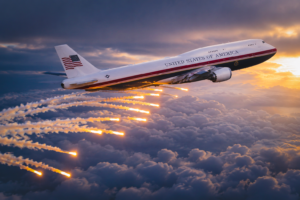
Airlines are warning that ticket prices could rise sharply as jet fuel costs surge, driven by rising oil prices linked to ongoing military operations abroad. Industry leaders say the increases may not be short-lived, with some projecting elevated costs lasting into 2027.
United Airlines CEO Scott Kirby has warned that fares may need to rise significantly—potentially by as much as 20%—to offset the spike in fuel expenses. Other carriers, including Delta, American, and JetBlue, have already begun adjusting pricing or adding fees.
Unlike in the past, most airlines no longer hedge fuel costs, meaning price increases are often passed directly to consumers, resulting not only in higher ticket prices but potential reductions to less profitable routes.
The Trump administration maintains that the spike in energy prices will be temporary, pointing to increased domestic production efforts. But with no clear end to the underlying geopolitical tensions, the outlook for travelers remains uncertain.
READ NEXT: American Journalist Kidnapped In Iraq