A wave of legal upheavals, political shockwaves, and unprecedented maneuvers inside the federal government sets the tone for today’s national landscape. Three major developments—spanning the courts, Congress, the FBI, and even the Pentagon are reshaping the conversation around power, accountability, and the boundaries of executive authority.
Federal Judge Tosses Comey and Letitia James Indictments After Ruling Trump-Appointed Prosecutor Was Unlawfully Installed
In a stunning legal reversal, a federal judge has thrown out the criminal indictments against former FBI Director James Comey and New York Attorney General Letitia James, ruling that the prosecutor who brought the cases—former Trump attorney Lindsey Halligan—was unlawfully appointed.
U.S. District Judge Cameron Currie determined that the Attorney General’s attempt to make Halligan the Interim U.S. Attorney for the Eastern District of Virginia violated the statutory process for filling that vacancy. Because Halligan lacked legal authority to present cases to a grand jury, Currie wrote, the resulting indictments were “unlawful exercises of executive power.”
In both the Comey and James cases, Halligan had acted as the sole prosecutor—presenting evidence, signing indictments, and moving the cases forward. Her appointment came just days after the removal of interim U.S. attorney Erik Siebert, who reportedly resisted pressure to prosecute Comey, James, and Rep. Adam Schiff.
The ruling comes in the wake of broader turbulence over interim U.S. attorney appointments. Similar decisions have already sidelined Trump appointees Alina Habba in New Jersey and others in California and Nevada, placing entire case portfolios in jeopardy and triggering multiple Justice Department appeals.
Currie called the situation “unique, if not unprecedented,” noting that judges in Virginia could not hear the matter because they may soon be responsible for selecting a lawful replacement for Halligan.
Grassley Releases Emails Alleging FBI Officials Blocked Clinton Investigation While Pursuing Trump Allies
While the Comey and James prosecutions collapsed in court, new scrutiny is falling on a different corner of the Justice Department.
Senate Judiciary Chairman Chuck Grassley has released internal emails and FBI communications showing that two top DOJ officials—Richard Pilger and J.P. Cooney—allegedly blocked an FBI request to open a criminal investigation into Hillary Clinton and the Democratic National Committee over potential campaign finance violations.
According to the documents, FBI agents presented evidence showing Clinton and the DNC intentionally concealed payments related to the now-discredited Steele Dossier. The Federal Election Commission later fined both entities for disguising those expenses, but DOJ officials declined to pursue criminal charges.
Grassley says the emails reveal a pattern of political protectedness: Pilger and Cooney refused to green-light the Clinton investigation but aggressively supported prosecutions of Republicans for comparable offenses.
Pilger had previously met with Lois Lerner during the IRS targeting scandal, while Cooney later served as Deputy Special Counsel under Jack Smith. Grassley praised Attorney General Pam Bondi and FBI Director Kash Patel for providing the documents and vowed further investigation into what he described as a “two-tiered system of justice.”
Pentagon Opens Misconduct Review Into Sen. Mark Kelly, May Recall Him for Court-Martial Over Remarks to Troops
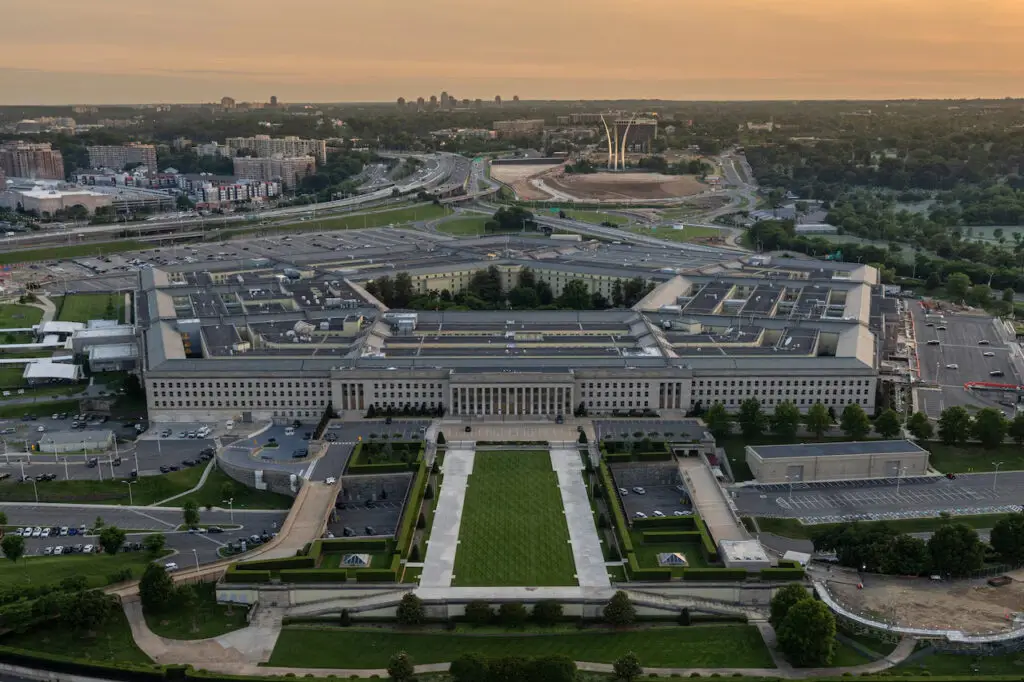
In an extraordinary move, the Department of War announced Monday that it has opened a formal review into misconduct allegations against Sen. Mark Kelly (D-Ariz.) after he appeared in a video encouraging service members to “refuse illegal orders.”
The Pentagon’s statement was unusually blunt, signaling that officials may recall Kelly—a retired Navy captain—back to active duty to face potential court-martial proceedings under the Uniform Code of Military Justice. Military retirees remain subject to the UCMJ for certain offenses, and the department suggested Kelly’s remarks may have undermined troop loyalty or discipline.
The video, released last week, featured six lawmakers with military or intelligence backgrounds speaking “directly to the military.” Kelly told service members they could refuse unlawful commands, while others urged troops to defend the Constitution.
The department cited federal law prohibiting attempts to erode loyalty or good order within the armed forces. It also underscored a longstanding principle: orders are presumed lawful and must be obeyed unless clearly illegal.
READ NEXT: Judge Dismisses Indictments Against Comey And Letitia James
Sponsored
America thrives under conservative leadership — help Turning Point PAC save America, one precinct at a time! Help elect America First leaders! [Support Turning Point PAC HERE]