Jack Schlossberg’s congressional campaign is facing mounting internal turmoil as staffers and former aides describe a chaotic operation plagued by no-shows, rapid turnover and concerns about the Kennedy heir’s readiness for public office.
According to a bombshell New York Times report, scores of frustrated campaign staffers have either quit or been pushed out of Schlossberg’s campaign as the 33-year-old Democrat seeks to replace retiring Rep. Jerry Nadler in New York’s 12th Congressional District.
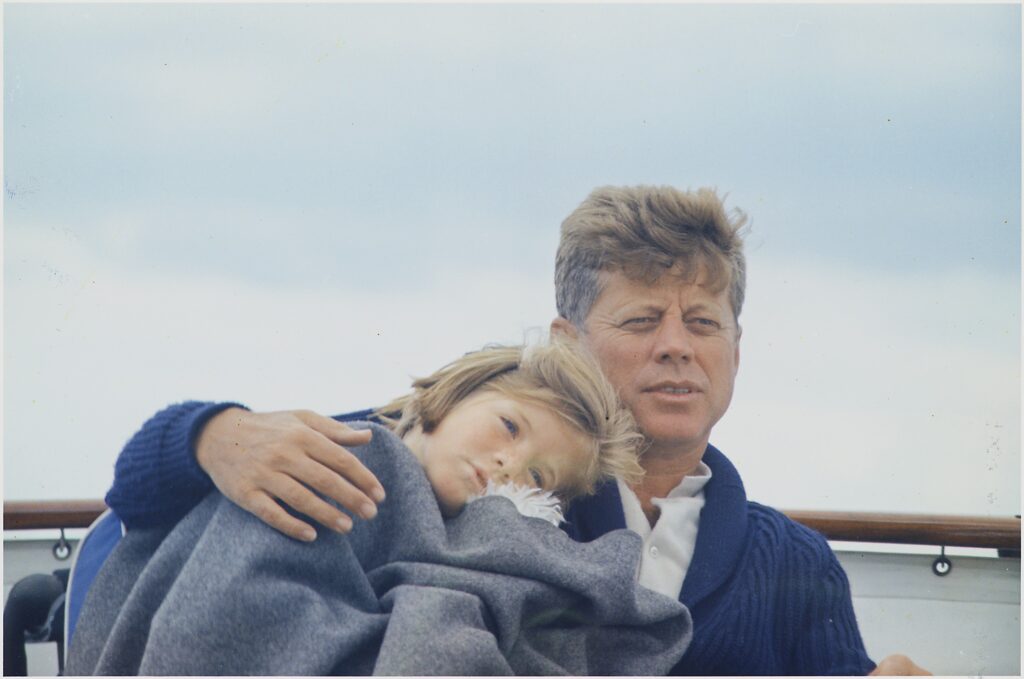
The grandson of President John F. Kennedy launched his congressional bid with major name recognition and establishment support, including backing from former House Speaker Nancy Pelosi. But behind the scenes, insiders described a campaign operation struggling with instability, disorganization and an unconventional management style.
Sources told the Times concerns intensified almost immediately after Schlossberg launched his campaign in November, when he allegedly skipped scheduled donor and media interviews on the very first day of his rollout. Staffers said Schlossberg told aides he needed to take a nap before disappearing for the remainder of the day.
Former staffers also alleged Schlossberg regularly missed strategy meetings, became unreachable for extended periods and appeared more focused on personal activities such as swimming and paddleboarding in the Hudson River than on campaign operations.
Jorge Muñiz Reyes, a former canvassing coordinator who recently left the campaign, compared the operation to a “dollar-store flower bouquet,” suggesting it lacked stability beneath the surface. Reyes said he became frustrated with Schlossberg’s lack of engagement with “community concerns” and campaign management.
The campaign has reportedly cycled through multiple campaign managers, field directors, consultants and advisers in just six months. Sources also claimed several employees remained unknowingly on payroll for weeks after effectively being dismissed because they were never officially informed they had been fired.
Many Democrats initially viewed Schlossberg as a potentially valuable new addition to the party’s national profile. Some strategists and activists hoped a young Kennedy with a media presence could help Democrats reconnect with younger straight white male voters; a group they’ve been hemorrhaging support from in record numbers.
Schlossberg’s social media following, celebrity profile and famous family led some Democrats to quietly speculate he could emerge as a next-generation party messenger capable of reaching audiences Democratic politicians often fail to connect with. But the growing reports of internal dysfunction, erratic management and staff dissatisfaction now raise questions about whether party insiders projected too much onto the Kennedy heir before he had proven himself politically.
Critics have increasingly framed Schlossberg as the embodiment of a modern political nepotism candidate; someone propelled into national prominence less because of demonstrated political accomplishments and more because of family branding, elite connections and media fascination with the Kennedy name. The reports from inside his campaign are likely to intensify scrutiny.
The situation also highlights a broader tension inside the modern Democratic Party as its activist base continues shifting further left economically and culturally. While establishment Democrats may have hoped Schlossberg’s Kennedy legacy would evoke nostalgia and broad mainstream appeal, his background as a wealthy political heir from one of America’s most famous dynasties may prove more complicated in a party increasingly skeptical of inherited “privilege” and power.
For progressive activists focused on inequality, class divides and anti-establishment politics, a candidate tied so closely to generational wealth and elite political influence risks appearing disconnected from the economic frustrations animating much of the Democratic base. That dynamic could make it harder for Schlossberg to position himself as an authentic outsider.
Schlossberg’s campaign manager, Paige Phillips, defended the candidate and dismissed the criticism, arguing the campaign has operated under difficult personal circumstances following the death of Schlossberg’s sister, Tatiana Schlossberg, shortly after it began.
Phillips also dismissed concerns over staff turnover, describing Schlossberg as “decisive and honest” about personnel decisions and arguing that campaign shakeups are common in New York politics.
Schlossberg himself responded to the report with sarcasm, posting a photo on Instagram of himself sleeping and joking about needing “a quick nap.”
The Democratic hopeful later defended his campaign during a CNN appearance, insisting reports of dysfunction were exaggerated and claiming his team was intentionally operating with a smaller and more flexible structure.
“I work harder than anybody I know, and we’re doing it all and making it look easy,” Schlossberg said during the interview.
Schlossberg, who previously worked as a political correspondent for Vogue and built a large social media following, has emerged as one of the most high-profile candidates in the crowded Democratic primary despite questions surrounding his experience and campaign discipline.
The race to replace Nadler has drawn national attention not only because of the Kennedy family name, but also because the Manhattan district remains one of the most influential Democratic strongholds in the country.
As the campaign moves deeper into primary season, the growing reports of internal dysfunction threaten to overshadow Schlossberg’s celebrity appeal and test whether political pedigree alone can sustain a modern congressional campaign.
READ NEXT: Report: Caroline Kennedy Pleaded With Son Jack Schlossberg Not To Run For Congress