

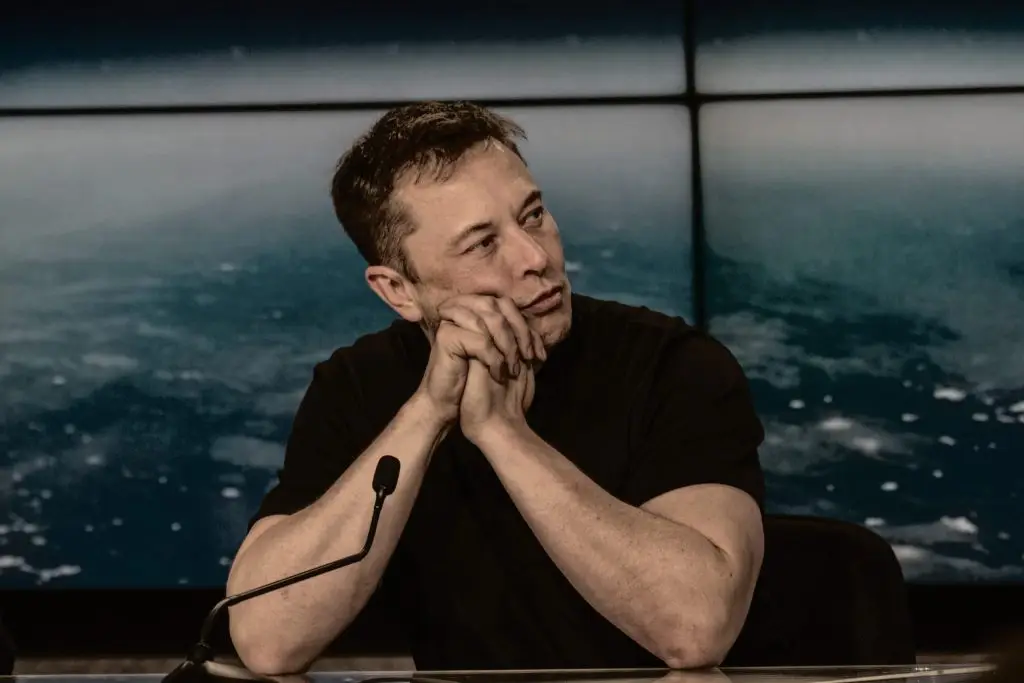
TikTok CEO Shou Chew has reportedly been prodding tech mogul Elon Musk about how the incoming administration of President-elect Donald Trump might impact the popular social media platform and its future in the United States.
According to a Wall Street Journal report, Chew, who leads the China-owned TikTok under the parent company ByteDance, has reached out to Musk multiple times for advice on the future of the platform under Trump’s second term. This consultation comes amid mounting regulatory pressure on TikTok in the U.S., with both the Biden administration and congressional leaders raising national security concerns over the app’s data practices.
Musk, who has been a vocal supporter of Trump, endorsed the former president last summer and has maintained a close relationship with him since then. The Wall Street Journal report reveals that Chew has sought Musk’s insights on new policies that could directly affect the platform, including the controversial issue of its Chinese ownership.
The U.S. government has repeatedly raised concerns that TikTok could be used by the Chinese government to collect data from American users for questionable purposes. In response, TikTok has been locked in a legal battle with the Biden administration, suing over a mandate that could force ByteDance to divest from the app or face a ban in the United States largely driven by national security concerns about the potential influence of the Chinese government over U.S. user data and content. TikTok has argued that such a ban would violate its First Amendment rights, and its legal team has been working to challenge the measure in court.
Trump signed an executive order in 2020 that sought to force TikTok to sell its U.S. operations or face a complete ban, citing national security risks. However, Trump’s stance on the matter appears to have evolved during his third campaign.
In an interview earlier this year, Trump suggested that the decision about TikTok should be left to Congress rather than the executive branch, calling it a “tough decision” and expressing some reservations about the app’s security implications. Trump, however, has indicated that he would work to halt efforts to ban TikTok in the U.S. In the summer of 2024, he officially joined the app, encouraging his supporters to vote for him if they wanted to preserve it in the U.S.
The controversy surrounding TikTok is part of a broader wave of concerns about Chinese espionage and data security. Recently, a security breach involving Chinese hackers known as Salt Typhoon revealed how the Chinese government gained access to U.S. telecommunications networks, allowing them to monitor millions of Americans’ private phone calls and text messages. This breach, which affected major telecom providers like AT&T, Verizon, and T-Mobile, demonstrated the vulnerabilities in U.S. digital infrastructure and raised alarms about the Chinese government’s ability to spy on American citizens. As TikTok continues to face scrutiny over its data practices, these revelations heighten concerns that China could be using platforms like TikTok to collect sensitive information, further fueling fears of espionage and data exploitation. These developments underscore the national security risks associated with Chinese-owned tech companies operating in the U.S., adding urgency to ongoing debates over data privacy and foreign influence.
















Why would the Chinese government (nor should they) have First Amendment rights?