

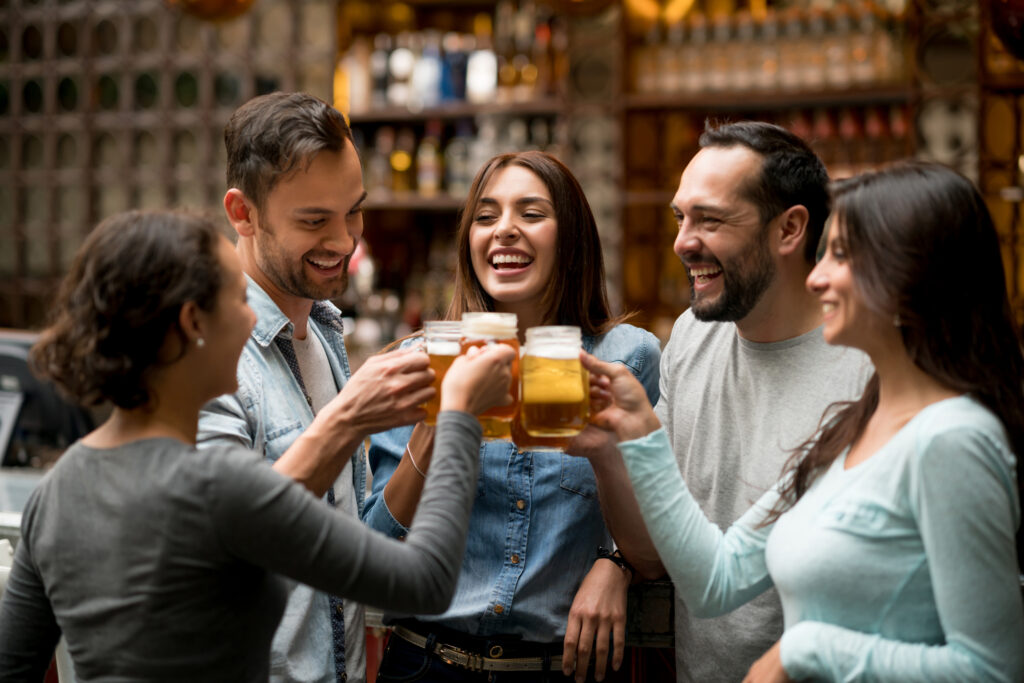
As the incoming Trump administration prepares to return to Washington, D.C., food workers in the area have declared their plans to resist the new government in pointed acts of defiance when members of the administration dine out. Bartenders, servers, and industry veterans in the nation’s capital have pledged to make the dining experience uncomfortable for Trump officials, using their positions of service to push back against their ideological opposition.
This emerging trend was detailed in a report by Washingtonian, which spoke to several food service workers who explained their motives for participating in this informal resistance. Their actions, they say, are born not out of hatred but from a sense of moral obligation and a desire to “take their power back” in a city where they feel their values are being undermined by the very people they are asked to serve.
Zac Hoffman, a veteran in the D.C. restaurant scene and manager at the National Democratic Club, quipped, “You expect the masses to just ignore RFK eating at Le Diplomate on a Sunday morning after a few mimosas and not to throw a drink in his face?”
Nancy, a fine-dining bartender, explained that small inconveniences like delaying food orders or refusing service altogether could be an effective form of resistance. “This person theoretically has the power to take away your rights, but I have the power to make you wait 20 minutes to get your entrée,” Nancy told Washingtonian. She views these acts as an important way to assert her own agency. “There’s a lot of opportunities for us as workers to feel like we’re taking our power back, while not necessarily ruining someone’s life,” she continued. “Giving them a subtle inconvenience feels like a little bit of a win for us.”
“I would refuse to serve any person in office who I know of as being a sex trafficker or trying to deport millions of people,” said Suzannah Van Rooy, a manager and server at Beuchert’s Saloon on Capitol Hill.
“It’s not, ‘Oh, we hate Republicans,’” she insisted. “It’s that this person has moral convictions that are strongly opposed to mine, and I don’t feel comfortable serving them.”
An anonymous host at a fine dining restaurant said she would take to giving any Trump official who dines in her establishment a “bad table” without disrupting service completely.
This also raises troubling questions about the commitment to sanitary practices in the restaurant industry. While workers may not openly admit it, the restaurant business has a notorious history of incidents where disgruntled employees have been caught tampering with food—whether it’s spitting on a meal or intentionally mishandling it in retaliation against customers. The idea of intentionally inconveniencing certain patrons based on their political affiliations introduces the uncomfortable possibility that some might go further and engage in unsanitary or unethical behavior. Given the volatile political climate and the potential for heightened animosity, it’s not difficult to imagine that some employees may allow their personal grievances to cloud their responsibility to provide a safe and hygienic dining experience. This introduces an additional layer of risk for restaurants and their customers, as it undermines the trust essential for any business that handles food.
Despite the rationalizations these workers offer for their “acts of resistance,” their behavior is likely to be received by many as spoiled, petty, and unprofessional. For many, the role of a food worker is to provide a positive and neutral experience for all customers, regardless of their political beliefs. By using their position to make a political statement, these workers risk alienating a large portion of their clientele who may view such actions as a childish outburst rather than a meaningful form of protest. While these acts may feel empowering to those engaging in them, they are likely to be seen as vindictive and counterproductive by others, undermining the expectations of the service industry.
In 2018, White House Press Secretary Sarah Huckabee Sanders was asked to leave a Virginia restaurant, and later, Homeland Security Secretary Kirstjen Nielsen was heckled by protesters while dining at a Mexican restaurant in Washington, D.C. These events, which were part of a broader wave of public harassment, reflected the growing tensions between Trump administration officials and their critics.
In response to these actions, Rep. Maxine Waters (D-Calif.) encouraged supporters to confront Trump officials in public spaces, saying, “If you see anybody from that Cabinet in a restaurant, in a department store, at a gasoline station, you get out and you create a crowd, and you push back on them.” While Waters later walked back her remarks, the sentiment of publicly challenging those in power has been a consistent theme among the political left throughout Trump’s presidency.
Joseph, a bartender, admitted that while he was disappointed by the election results, he was looking forward to the potential for higher tips from Republican patrons. “I think my tip average from Republicans—at least ones that I or a coworker has recognized—is close to 30 percent. With Dems, I’m surprised if it’s over 20,” he noted, adding that Republicans tend to be lower-maintenance patrons compared to their liberal counterparts.
















Pure Class??
I would imagine that a liberal server’s righteous indignation might begin to mellow a bit when they see their income dropping due to a commensurate drop in tips that are usually based on the quality of the service received. It is called the “service industry” for a reason. If your politics or morals are going to affect the quality of service you provide, it might be time to find a different line of work. As for the influx if conservative staffers in DC, maybe they should start eating at home more often. They will save money as well as decreasing their stress levels caused by slow service and concerns about food safety.
Meanwhile, the only people who will be truly affected negatively by this planned “resistance” will be the restaurant owners who will see their bottom lines suffering due to a drop in clientele and the servers who will consequently be looking for new employment opportunities since the restaurant business will be downsizing or closing its doors.
It all sounds rather self-defeating because of a search for a few good “feelings” with no thought about the consequences of their actions. Typical!